Tramontina cookware, tested: why brazil's 1911 foundry competes on price
Official homepage: https://www.tramontina.com
Tramontina is the cookware giant most American shoppers own without knowing the name behind it.
A Blacksmith's Shop From 1911, Still Family-Governed
Tramontina's story starts in 1911 in Carlos Barbosa, a small town in Brazil's southern state of Rio Grande do Sul, where Italian-born blacksmith Valentin Tramontina opened a modest shop forging tools and blades. Over a century later the company he founded is one of the largest metal goods manufacturers in the world, still headquartered in the same small town and still guided by the founding family.
That scale is the first thing to understand about the cookware. Tramontina is not a boutique kitchen brand that grew slowly — it is an industrial group that happens to make some of the best-value cookware on the planet, alongside cutlery, tools, and outdoor equipment. Buying from it means buying from a manufacturer, not a marketer.
Tri-Ply Clad at a Fraction of Rivals' Prices
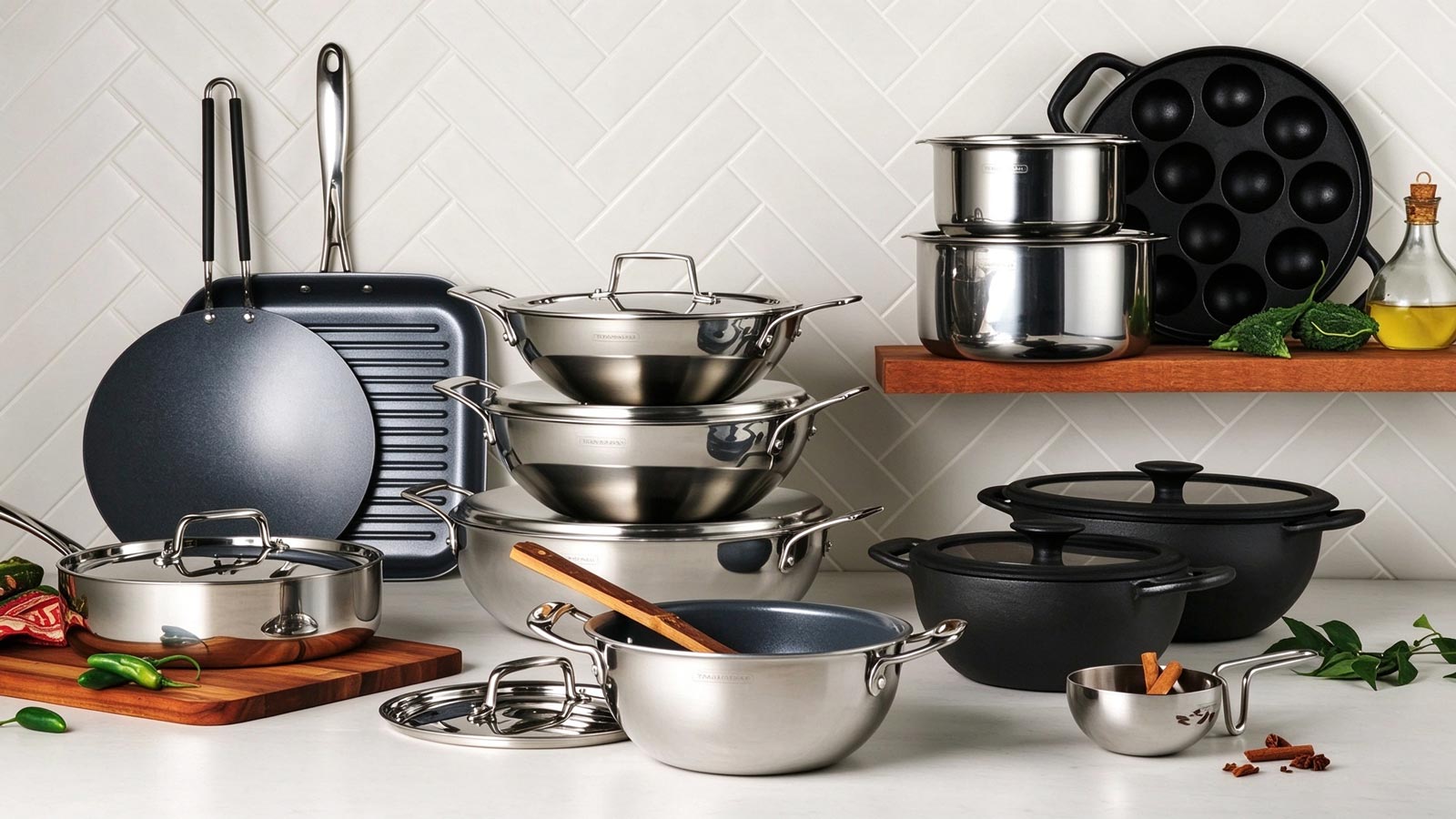
The product that built Tramontina's reputation in the United States is its tri-ply clad stainless cookware: an aluminum core sandwiched between stainless steel layers, the same construction philosophy behind cookware costing three to four times more. Sets and open-stock pieces routinely appear at retailers like Walmart for prices that make premium clad brands hard to justify for budget-conscious households.
In practice, tri-ply clad at this price performs the core job well — even heating, oven-safe durability, induction compatibility — with finishing touches that reveal the cost difference. Handles are functional rather than sculpted, lids are lighter, and the interior polish is good rather than immaculate. For everyday cooking, most households will never notice the gap.
The Widest Product Range We Have Reviewed
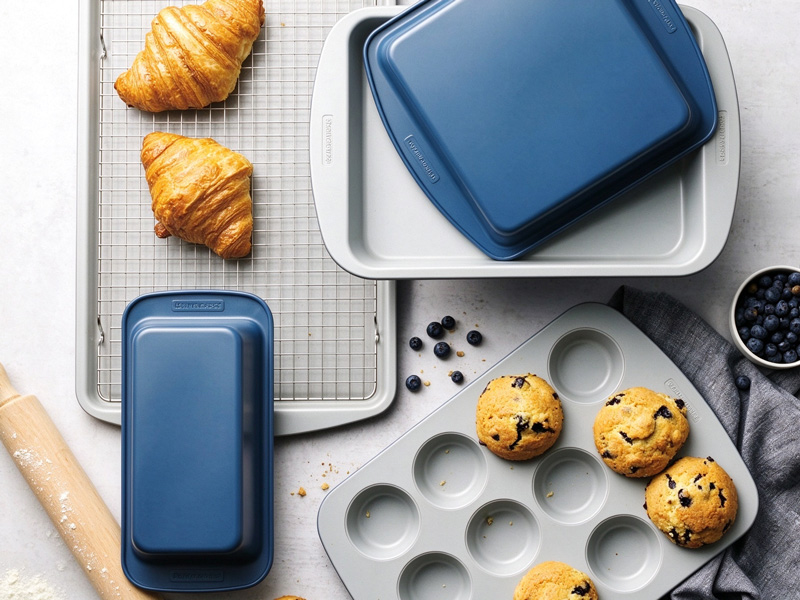
Few cookware brands on Shopify span this much territory. Beyond clad stainless, the catalog includes nonstick aluminum lines, enameled and raw cast iron, carbon steel, stainless stockpots, and even dedicated restaurant-supply pieces. There are budget lines for first apartments and heavier professional-grade lines for serious home cooks, all under one roof.
This breadth changes how shoppers should approach the store. Tramontina is less a single product decision and more a menu: a buyer can equip an entire kitchen from one brand at multiple price tiers, mixing a professional skillet with an entry-level saucepot, which is genuinely convenient.
Where the Pans Are Actually Made Matters
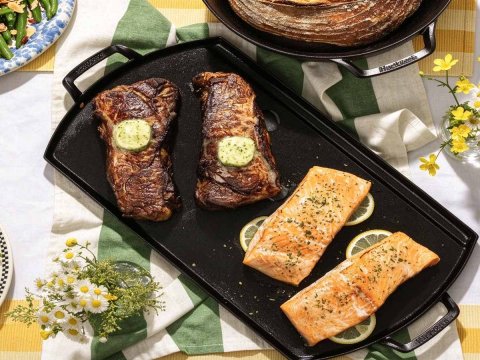
Tramontina manufactures in Brazil, where its foundries and factories remain centered, and the company has long maintained a major US distribution operation in Texas to serve the North American market. Cast iron and stainless pieces are generally Brazilian-made, while some nonstick and assembled lines source components or production more broadly.
For buyers who weigh country of origin heavily, the picture is more mixed than an all-American brand but more transparent than most global competitors. The company's manufacturing footprint is a point of documented pride, and Brazilian cast iron, in particular, has a long reputation for dense, even-heating pans.
Knives, Cutlery, and the Rest of the Empire
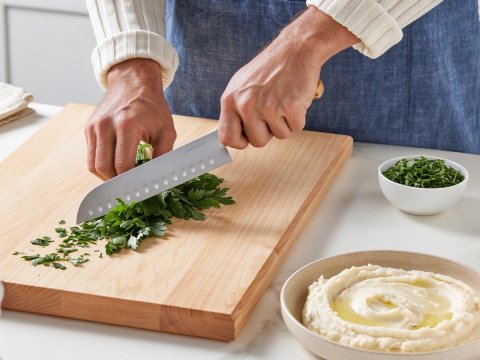
A review of the store would be incomplete without acknowledging that cookware is only part of the business. Tramontina is one of the world's largest knife and cutlery producers, and the same storefront logic extends to grills, tools, and outdoor equipment in other markets. For US shoppers focused on the kitchen, the practical crossover is simple: the brand's knife lines and cutlery sets are often priced as aggressively as its pans.
That cross-category strength matters for gifting and kitchen-overhaul purchases, where one brand covering pans, knives, and prep tools at consistent value is easier than assembling a set from five different companies.
Shelf Presence and the Online Buying Experience
Tramontina's distribution is old-school omnichannel: Walmart, Amazon, restaurant supply stores, and regional retailers all carry the brand, which means most buyers encounter it in a store aisle before they ever visit the website. The Shopify storefront consolidates the catalog with the full range of lines, many of which never make it to a single physical shelf.
The online experience reflects the manufacturer's mindset — organized, product-first, less lifestyle polish than premium DTC brands. Shoppers wanting curated storytelling will find it sparse; shoppers wanting to compare twelve skillet options by spec will find it refreshingly direct.
Against All-Clad and Lodge, Honest Trade-Offs
Set beside its two most common comparisons, Tramontina's positioning becomes clear. Against All-Clad, the clad stainless delivers the same heating fundamentals at roughly a third of the price, giving up refinement, heft, and resale cachet. Against Lodge, its cast iron offers a similar value argument with a different heritage — Brazilian rather than American foundry work, often at comparable or lower prices.
The trade-offs are consistent across the catalog: slightly lighter construction, simpler ergonomics, and packaging that prioritizes protection over presentation. None of these affect what ends up on the plate, which is why the brand has quietly become a default recommendation in budget cooking communities.
Durability Reports From Years of Owners
Long-term owner feedback on Tramontina tends to follow a reliable pattern. The clad stainless lines earn praise for surviving years of daily use with minimal visible wear; the nonstick lines, like all nonstick, age according to how carefully they are treated; and the cast iron pieces develop seasoning and loyalty comparable to heritage brands. Complaints concentrate on lids that fit loosely on some lines and handles that get warmer than premium designs during long stovetop sessions.
The company's lifetime-limited warranty on many lines provides a backstop, though at these price points most owners simply replace rather than claim.
Who Ends Up Happy With Tramontina Cookware
The Tramontina buyer is typically practical: someone setting up a first kitchen, a family replacing a worn set without wanting a $600 receipt, or an experienced cook who knows tri-ply performance no longer requires a premium badge. It also suits restaurant-supply shoppers who prioritize function per dollar above all else.
What the brand will not deliver is the boutique experience — the heirloom story, the polished unboxing, the lifestyle identity. What it does deliver is arguably harder to fake: a century of manufacturing depth applied to cookware that performs well above its price, available almost anywhere pans are sold.