Lodge cast iron, reviewed: the $30 american skillet that outlasts trends
Official homepage: https://www.lodgecastiron.com
Lodge has been pouring cast iron in South Pittsburg, Tennessee, since 1896, and it never moved the foundry.
One Foundry, Five Generations, Zero Outsourcing
Ask where most "heritage" American cookware is actually made today and the answers get awkward. Lodge is the exception that never became an exception: Joseph Lodge opened his foundry in 1896 in South Pittsburg, Tennessee, and every core cast iron piece the brand sells is still poured there. The company has stayed family-owned through four generations, with the fifth now working in the business, and it is routinely described as the last major cast iron manufacturer still casting in the United States.
For buyers, this is not a marketing abstraction. The skillet in the box was physically made in one small Tennessee town by people whose families have done it for over a century. In a category crowded with borrowed names and offshore production, that continuity is the brand.
Where the Value Equation Breaks the Category
A standard Lodge skillet retails for well under $30. That number reframes the entire cast iron market, because at this price point nothing else on the shelf offers the same combination of domestic manufacturing, heat retention, and multi-generational durability. Premium boutique brands charge $150 to $300 for skillets built on the same metallurgical fundamentals.
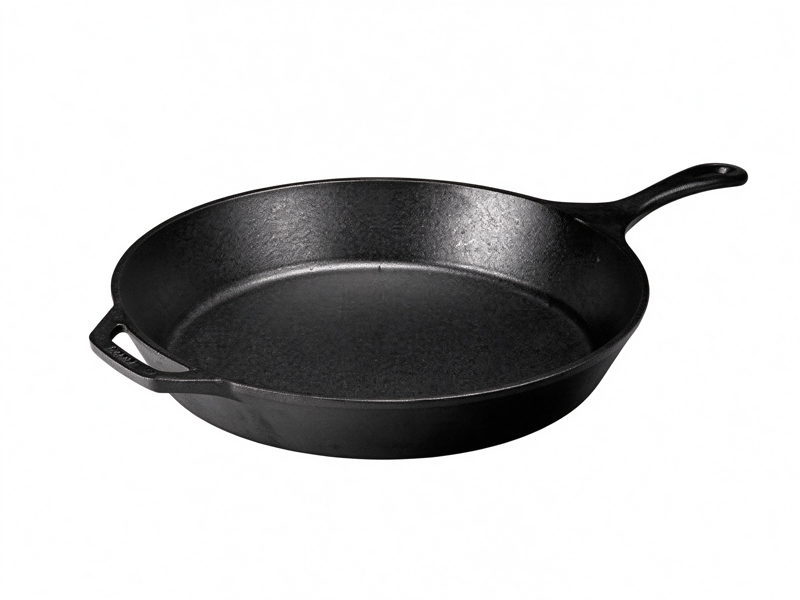
The compromise shows up in the surface. Lodge ships with a slightly pebbled factory seasoning rather than the glass-smooth finish of hand-polished competitors, so eggs stick a little at first and the pan needs a few months of regular cooking to reach its best. Most owners treat this as a fair trade: the learning curve is short, and the price means there is zero anxiety about the pan.
The Combo Cooker and the Sourdough Cult Following
Bread bakers discovered something the marketing never fully pushed: Lodge's combo cooker, a deep pot with a lid that doubles as a skillet, replicates the steam-trapping function of a $300 Dutch oven at roughly a tenth of the price. During the home baking boom it became the default recommendation in sourdough communities, and that organic adoption says more about the product than any ad campaign could.
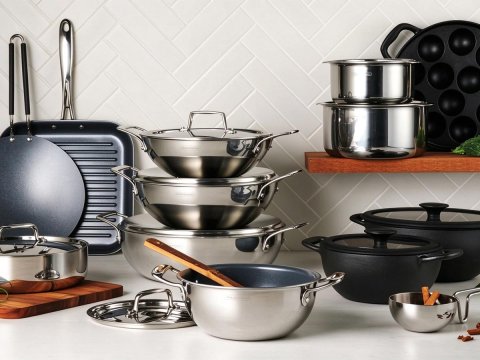
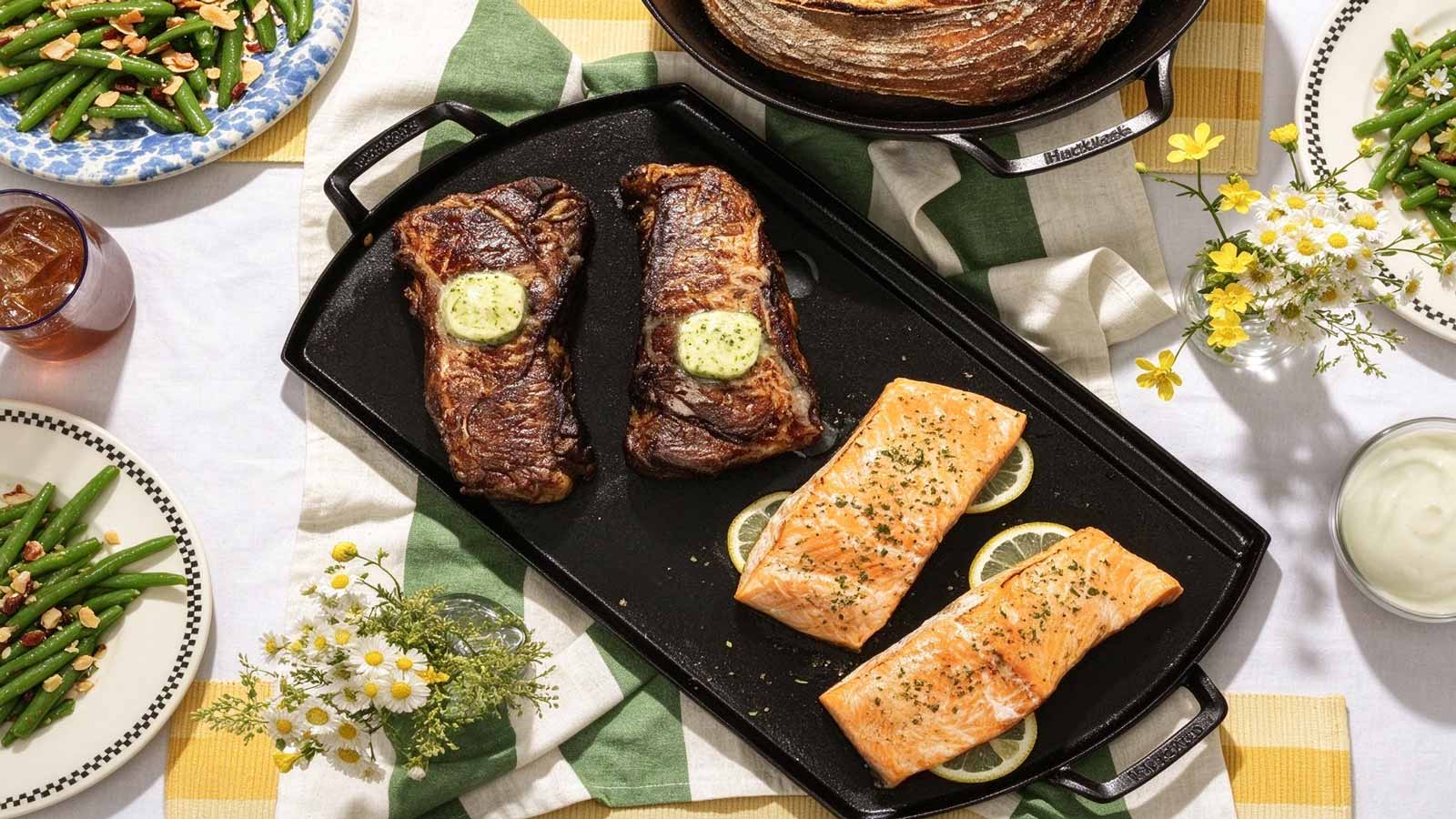
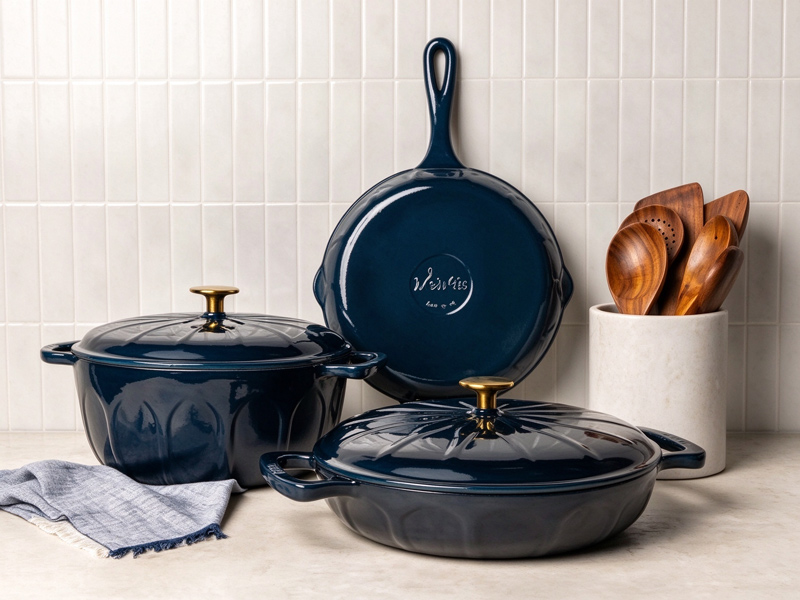
The broader catalog rewards browsing. Beyond skillets there are Dutch ovens, griddles, grill pans, a carbon steel line for high-heat searing, an enameled collection that undercuts European heritage brands, and outdoor pieces like the Sportsman's grill aimed at campers.
Free Education Is Part of the Purchase
What separates Lodge from nearly every cookware brand is what it gives away. The site is packed with seasoning tutorials, rust-rescue guides, cleaning walkthroughs, and recipes, and the brand's long-running video content — often called Lodge TV — treats cast iron care as something anyone can learn. The consistent message: this is a tool that improves with use, not a fragile heirloom to fear.
This matters commercially as much as culturally. First-time cast iron buyers routinely quit over maintenance confusion, and Lodge's documentation removes that exit ramp, which is a quiet reason its pans stay in daily rotation instead of gathering cabinet dust.
Finding It Is Never the Hard Part
Availability is Lodge's least glamorous and most decisive advantage. The pans sit in Walmart, Target, hardware stores, grocery chains, and Amazon warehouses — an omnichannel presence no premium competitor comes close to matching. The brand also runs its own factory outlet stores in its home region, where cosmetically imperfect seconds sell at meaningful discounts.
Buyers outside the US face a thinner but growing network of importers and distributors. Domestically, though, the experience is unique: no other cookware brand this good is this easy to buy on impulse.
The Honest Trade-Offs Against Premium Cast Iron
Set a Lodge skillet next to a boutique equivalent and the differences are tactile: rougher surface, heavier for its size, a handle shape that prioritizes durability over ergonomics, and a helper grip that works better with a folded towel than a bare hand. The premium pan feels like an object; the Lodge feels like a tool.
Which one belongs in a kitchen depends on the cook. Lodge is the entry point, the camp pan, the skillet you learn on and hand down anyway. The boutique piece is the upgrade for someone already certain cast iron is a lifelong habit. Plenty of serious cooks own both, and Lodge's low price is part of why so many people get the chance to find out.
Ownership Realities After the First Month
Once past the break-in period, Lodge cookware is close to indestructible. The factory seasoning handles bacon and roasted vegetables immediately, improves with every use, and tolerates metal spatulas, open flames, and campfire cooking that would void other pans' warranties. Care is simple: hot water, a little soap if needed, thorough drying, and a thin coat of oil before storage.
The complaints that do surface are the standard cast iron tax rather than brand defects — eggs that stick early on, rust spots after careless drying, and the sheer heft of the larger pieces. The lifetime warranty covers manufacturing flaws, though a well-cast pan rarely needs it.
The Verdict for Everyday Cooks
Lodge's audience was never the collector. It is the person who fries eggs before work, sears chicken on a weeknight, and wants a pan that can ride in a camping backpack without a case. It is also the gift-giver who needs something genuinely American-made under $50.
For those buyers the math is close to unbeatable: 125-plus years of unbroken foundry history, real domestic manufacturing, an education ecosystem that removes every excuse, and a price low enough that trying cast iron carries no risk at all.