After goal zero, a serial utah founder built barebones, camping's anti-disposable brand
Official homepage: https://barebonesliving.com
Robert Workman has an unusual habit: he keeps founding companies to solve the same problem. First the nonprofit Tifie, then Goal Zero, the solar-power company that brought electricity to off-grid communities in the Democratic Republic of Congo — and in 2012, Barebones Living, named for the bare-bone emergency shelters that were its first product and that the company still ships to disaster zones. Today the Salt Lake City brand is something else entirely: retro-styled lanterns, Japanese-inspired cast iron, garden tools, and camp cookware built around one creed — people are sick of throwaway stuff. Certified as a B Corporation, Barebones runs lighting and cookware as its two leading categories. This review examines the store where camping gear doubles as a philosophy.
Emergency Shelters Were the First Product, Not a Marketing Angle
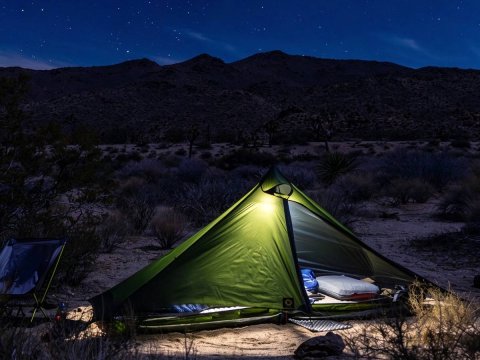
The origin story begins with the Workmans' philanthropy. After selling Goal Zero, Robert Workman and his wife Ange were doing aid work in the Democratic Republic of Congo, and they identified five elements people need to work themselves out of poverty: electricity, shelter, food, water, and education. Goal Zero had addressed electricity; Barebones addressed shelter, taking its name from the bare-bone shelters the company began shipping to underprivileged communities and disaster-recovery efforts at the outset. Roughly ten thousand of those shelters are now deployed worldwide, and the company still counts the emergency shelter among the primary assets it provides. The philanthropic machinery is not a philanthropic footnote — it is the founding product line, and the "Do Good" philosophy printed across the brand is the business model in three words.
The Cast Iron Claims to Be Fifteen Percent Lighter
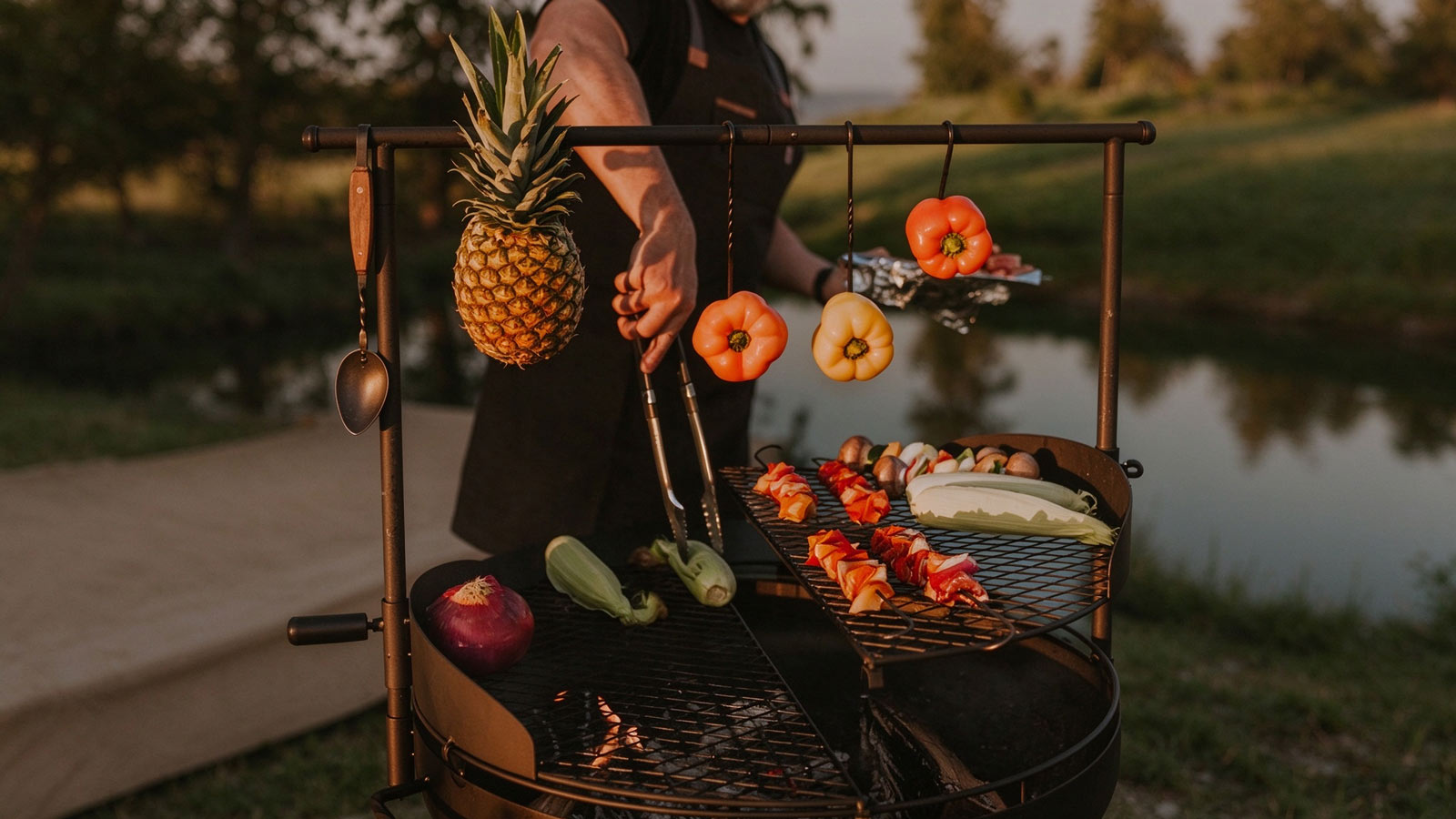
Cookware became the flagship consumer category, and the hero product is the all-in-one cast iron skillet. Barebones claims its skillets run about fifteen percent lighter than comparable cast iron — a claim field reviewers tend to confirm, noting the twelve-inch model at seven pounds against a comparable Lodge closer to nine — achieved through a thicker, steel-infused base that spreads heat evenly and eliminates hot spots. The design language is Japanese in inspiration, with a square top and rounded bottom, a vintage polish reminiscent of nineteenth-century skillets before mass production roughened the norm, pour spouts, an extended handle with a hanging hole for tripod cooking, and a lid with a copper D-ring that stays cool enough to touch. The result is camp cookware that functions as well over a campfire as it photographs on a table — durability as an aesthetic decision, not a specification.
Retro Lighting Carried the Catalog After Shelters
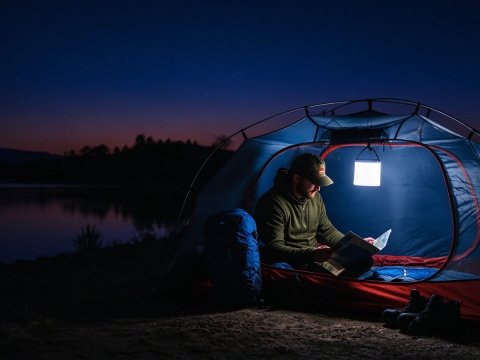
The first consumer product line, launched in 2015, was lighting — electric and candle-based lanterns and lights with deliberately vintage styling, and that category remains one of the two leading pillars of the business. The logic Workman gives is disarmingly practical: everybody cooks, everybody eats, and everybody has to see. The lantern line built the brand's visual identity — metal housings, Edison-bulb warmth, leather and wood accents — and established the design signature that now runs through garden tools, knives and axes, and the full cookware range. For a store, the lighting matters beyond its revenue: it is the entry product, the gift item, and the piece most likely to convert a browser into a believer in the brand's anti-throwaway ethos.
B Corp Certification Audits the "Do Good" Claim
Plenty of outdoor brands invoke purpose; Barebones submits to verification. The company is a certified B Corporation, meeting the standard's verified requirements for social and environmental performance, transparency, and accountability, and its current sustainability targets include removing all single-use plastics from box packaging and master-packs. The certification functions as the store's trust infrastructure: when product pages speak about lifting partners out of poverty or disaster-recovery deployments, there is an external audit behind the language rather than a copywriter. For buyers who treat corporate claims with justified skepticism, the B Corp stamp is the difference between a story and a standard.
The Store Sells Gatherings, Not Just Gear
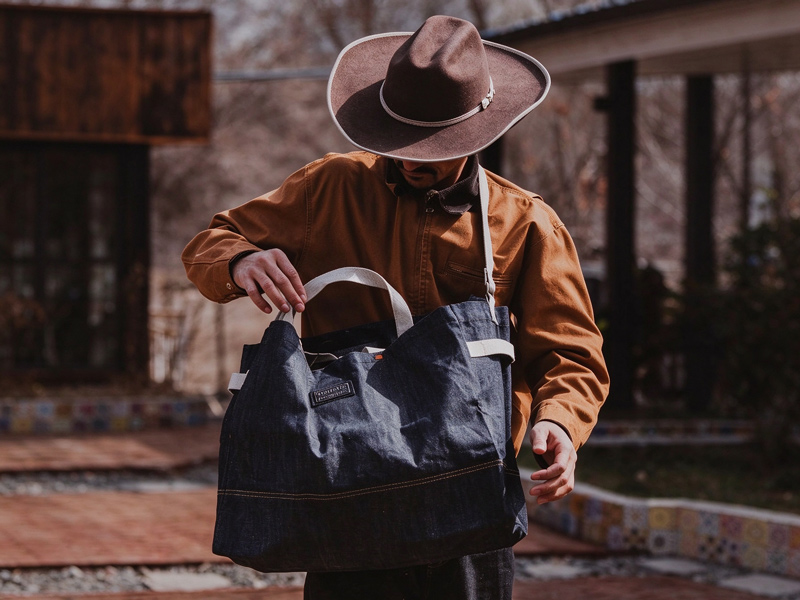
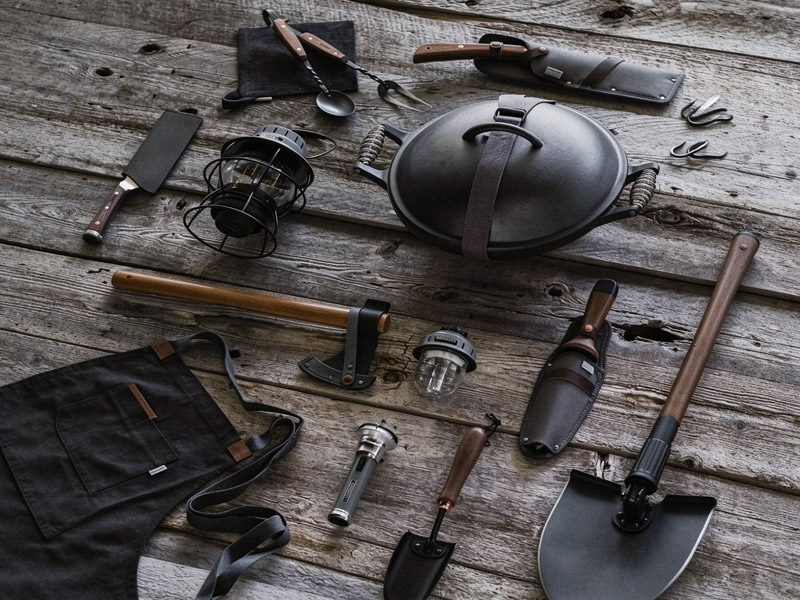
The Shopify storefront is organized around occasions more than categories — cultivation, cooking, camping, and exploring — reflecting the company's positioning of itself as an outdoor lifestyle brand rather than a camping or barbecue company. Product pages lean into what the company calls the primal pull of the fire: open-fire cooking, nature-centered dining, and transformative communal experiences. The catalog ladder runs from lanterns and small tools at the accessible end through the cast iron line to larger furnishings and preparedness gear, with the emergency shelter's humanitarian story woven through the site as the origin rather than the exit. It is a store built to make a gift purchase feel like joining something.
The Honest Frictions of Heirloom Pricing
Heirloom construction has heirloom economics. The cast iron line and metal lanterns command premium prices well above mass-market equivalents, and the weight savings on cast iron, while real, do not make the pans light by any honest definition — the twelve-inch skillet is still seven pounds of iron in a backpacker's world of titanium. The retro aesthetic, beautifully executed, is fundamentally a style bet that will not suit every camp kitchen or modern home. And the humanitarian narrative, while verified and substantive, is also simply effective marketing, which sophisticated buyers will hold in tension. The brand's product-line sprawl — from pruning shears to emergency shelters — can also read as identity diffusion: is this a cookware company, a garden company, or an aid organization? The answer is all three, and that breadth is either the point or the problem depending on the shopper.
Shelter First, Cast Iron Second, Philosophy Throughout
Barebones Living is the rare outdoor store where the product catalog and the mission statement are the same document. A serial entrepreneur who had already proven the solar-power-for-poverty model turned to shelter, named the company for its first product, and then filled the shelves with the lanterns and cast iron that fund the philosophy. Buyers who want their camp skillet to come with a B Corp audit and their lantern purchase to trace back to disaster relief have very few alternatives — which is precisely the point.