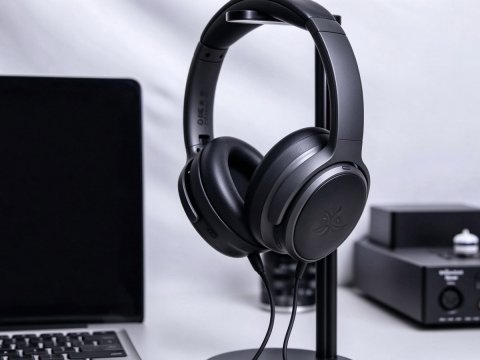
Three patents, a suzhou garden, and the AFUL way to your ears
Official homepage: https://afulaudio.com
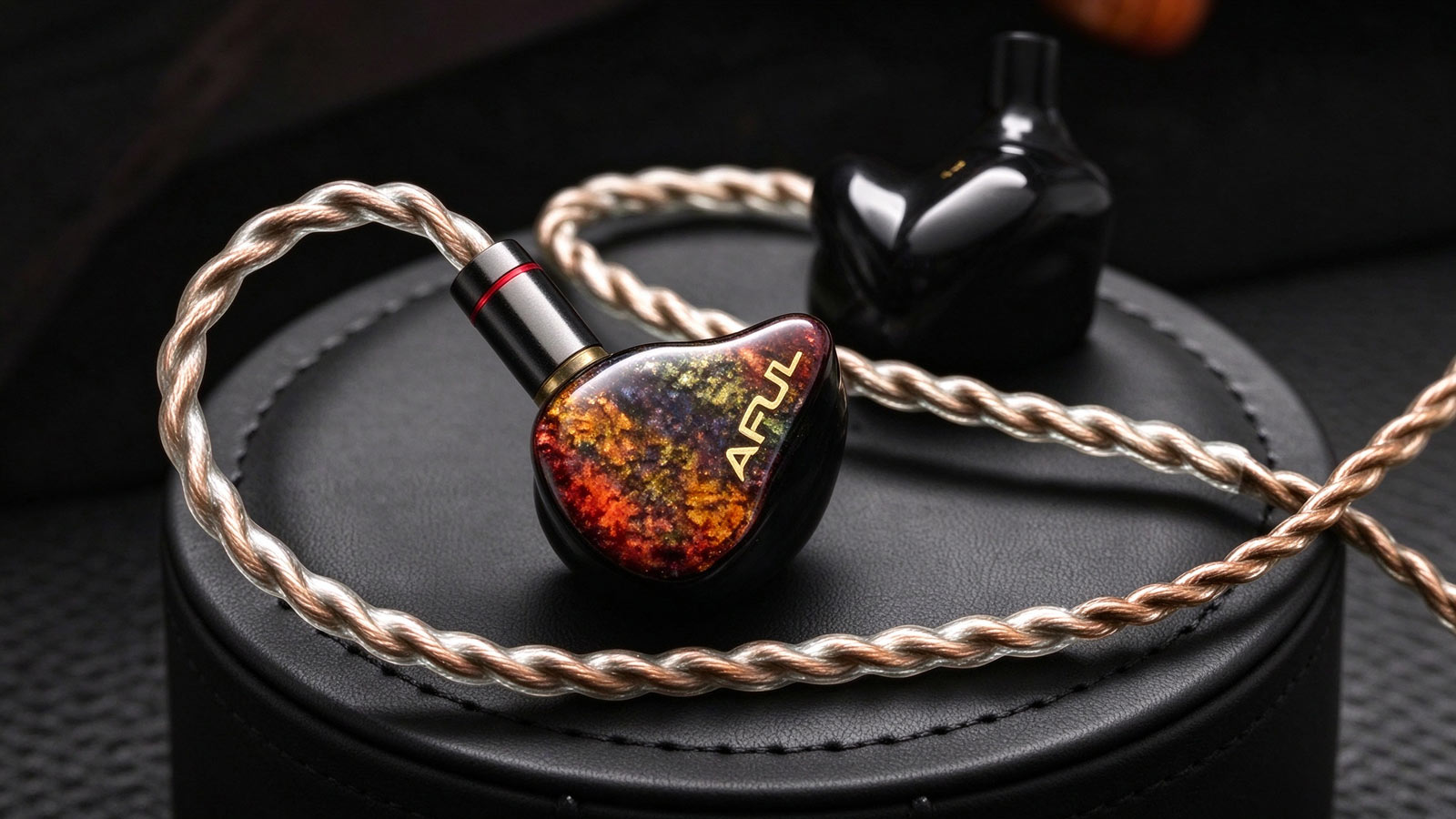
AFUL is what happens when a laboratory decides to become a brand. Founded in 2018 in Suzhou, China — the name comes from a Chinese word meaning prosperity — the company spent its first four years doing something almost no Chi-Fi startup does: filing patents before shipping products. By 2020 it held three; in 2021 its S&E Math technology earned recognition from the Chinese Academy of Sciences and support from the Suzhou municipal government. Only then did the Performer series reach global ears in 2022. Eight years on, AFUL fields a 120−to−120-to-800 lineup whose multi-driver earphones carry a coherent house philosophy: only real progress in technology can bring tangible benefits to the consumer.
A Lab-First Startup in the World's Fastest Market
Shenzhen's Chi-Fi ecosystem rewards speed above all — design, build, ship, iterate. AFUL's founding team chose the opposite sequence. Established in 2018 by a dedicated acoustic engineering team, the company spent 2019 building prototypes around innovative circuit topology and acoustic structures, secured three patents by 2020, and commercialized its S&E Math technology in 2021 — the year the Chinese Academy of Sciences recognized the work and the Suzhou government backed it. The founding statement published across its materials is unusually formal for an earphone company: "Only Real Progress in Technology can bring Tangible benefits to the Consumer." It reads like a grant proposal because, in part, it was one.
The Performer 5 Was a Debut, Not a Draft
Most startups treat their first product as a trial balloon. AFUL's Performer 5, launched in 2022, arrived with a hybrid driver array and three self-developed technologies that would define the entire brand: a high-precision 3D-printed acoustic tube structure that physically divides frequencies through precisely shaped channels (patent CN109803206A, charmingly titled "Special Shaped Sound Channel Physical Frequency Division of an Earphone"), an RLC electronic crossover network using resistors and capacitors to smooth treble and lower distortion, and a high-damping air-pressure balance system that vents canal pressure while deepening bass texture. The P5, priced around $220, won praise for lively, vocal-forward tuning and became the reference point the whole lineup would be measured against.
The Performer 8 Tripled the Tube Length
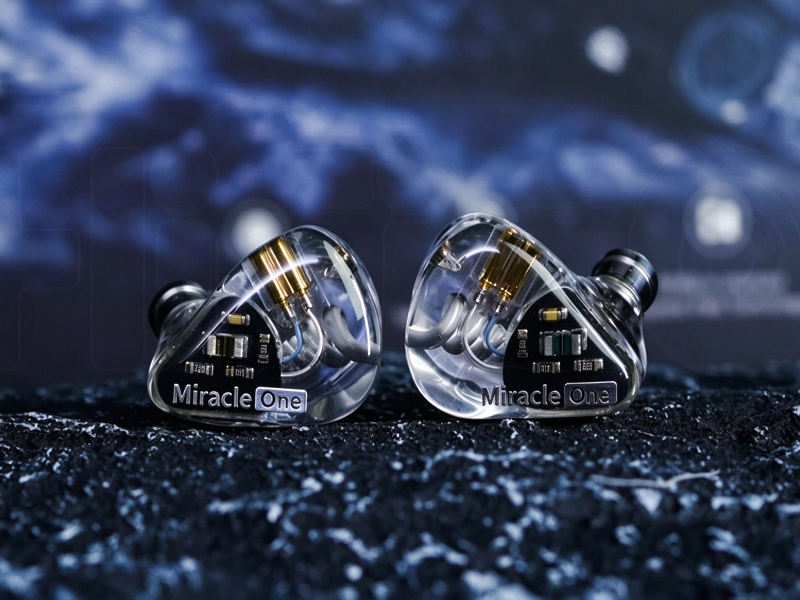
The 2023 flagship, the Performer 8, is the definitive statement of the company's engineering religion. Where the P5 used three tubes in a three-way division, the P8 runs four tubes in a four-way crossover with an acoustic tube path more than three times longer — including a 46-millimeter low-frequency tube that behaves like a band-pass filter to give the single 8mm dynamic driver depth and elasticity without mid-bass bloat. Seven balanced armatures fill in above it. The high-damping pressure relief system distinguishes itself from ordinary venting by damping precisely, retaining sub-bass while easing fatigue; reviewers who wore the P8 for hours consistently noted how easy it stayed in the ear. Priced at $369.99, it drew the comparison AFUL wanted: one reviewer called it competitive with $580–600 rivals like the Dunu SA6 MK2, another called it "one of the most seductively tuned" sets in its class. Headfonia's reader poll landed at 4.2 out of 5.
MagicOne: The Sleeper Single-Driver
Between flagships, the MagicOne quietly became the brand's cult favorite. A single balanced-armature IEM with a unique driver configuration and the same tube-and-filter philosophy, it was widely described by reviewers as a standard-bearer — proof that AFUL's tuning skill did not depend on driver counts. The MagicOne also demonstrated the brand's willingness to let engineering lead marketing: a one-driver earphone has almost nothing to print on a spec sheet, so the product sold on sound alone. It worked — the MagicOne remains one of the most recommended models in AFUL's catalog across regional review sites from India to Southeast Asia.
2024: Explorer, Cantor, and the 5+2
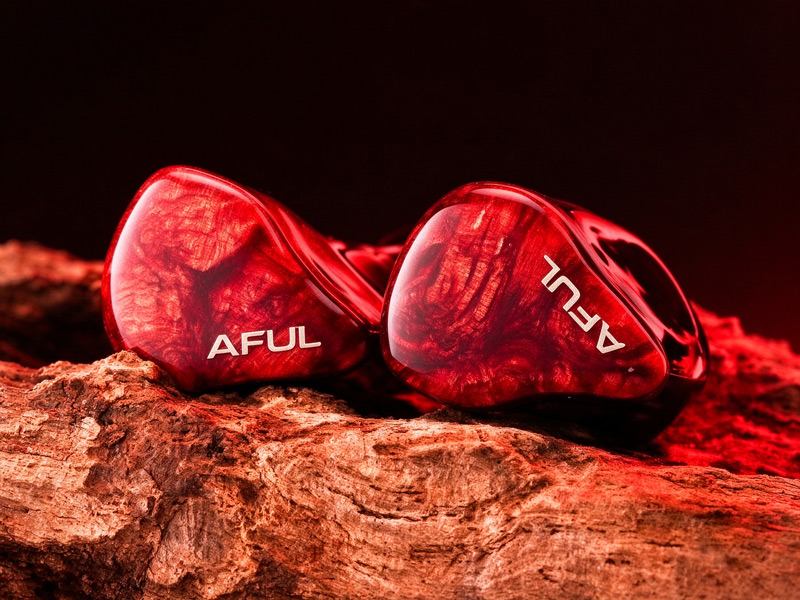
The expansion year filled three price brackets in eight months. The Explorer arrived in April 2024 at $120, bringing the AFUL house sound to an entry point. The Cantor, launched in August as the flagship, went the other direction — an all-balanced-armature design built around what the brand calls Acoustic Maze Technology, an intricate frequency-division architecture that reviewers described as "a dissertation on AFUL's signature sound," with staging competitive against IEMs costing twice its $800 price. Reviews were impressed but divided on fit: deep insertion was required for the intended smooth treble, the cloth cable was criticized as microphonic, and at least one reviewer flagged a fragile nozzle. The Performer 5+2 closed the year at $239, adding a micro-planar tweeter to the P5's formula and a faceplate motif drawn from Suzhou's classical gardens — "in the secluded path, the Zen room is deep with flower and tree."
The House Sound, Measured and Argued
Across models, AFUL's tuning is analytical but not cold: sub-bass depth with disciplined mid-bass, a midrange reviewers call lean-lush — dense and textured rather than syrupy — and a treble that extends past 10 kHz with air borrowed from the RLC network's smoothing. Community reviewers consistently praise resolution and imaging, with one long-term owner placing the P8 ahead of the Moondrop Blessing 3, the scene's default recommendation. The criticisms are equally consistent: note weight can read thin, sibilance surfaces on sibilant-prone recordings, and the deep-fit dependency makes results tip- and ear-dependent. Measurement-oriented advisors add a structural caution — as a six-year-old company, AFUL's long-term reliability and service record remain unproven next to established names, so buyers chasing pure cost-performance should still compare against safer bets.
A Brand Wearing Its Lab Coat in Public
What distinguishes AFUL from the Chi-Fi pack is how it behaves in public. The store's product pages answer technical questions in writing — patent numbers cited, tube lengths specified, comparisons with its own Chinese-market predecessor (the Band 8 Pro, which the P8 refined) explained candidly. The company publishes its philosophy as a creed rather than a slogan and let a reviewer thread stand when one called the Cantor "a specialized tool" suited only to analytical listeners. Distribution runs through specialist retailers like HiFiGo alongside the direct Shopify store, keeping the catalog visible to the global audiophile community that judges products by graphs and long listening sessions. Eight years after three engineers filed their first patents in Suzhou, the lab-first strategy has produced something the fast market rarely builds: a coherent brand with a sound you can recognize from one song.