They named it after a lumberjack insult: how stumptown roasted the third wave
Official homepage: https://www.stumptowncoffee.com
Before "specialty coffee" was a grocery aisle, it was a dare taken in Portland. Stumptown Coffee Roasters — named after the 19th-century lumberjack nickname for a city built on clear-cut stumps — was founded by Duane Sorenson in 1999 and went on to define the third wave: lighter roasting, direct trade with farmers before "direct trade" was a marketing phrase, and the bottled cold brew that created the ready-to-drink coffee category in 2011. This review walks the store the way the company built its reputation — origin by origin, blend by blend, with the corporate acquisition question addressed honestly.
A Lumberjack Nickname Became a Coffee Identity
Portland's old nickname was an insult — loggers left stumps behind, and "Stumptown" stuck. Duane Sorenson reclaimed it in 1999 when he opened his roastery on Southeast Division Street, roasting lighter than the dark, oily norm of the era to let individual coffees taste like something other than "coffee flavor." The choice was contrarian then and prophetic now: the lighter-roast, origin-forward style he championed became the default language of American specialty coffee. The brand's rough-edged Portland aesthetic — part lumber camp, part record shop — gave that style an identity competitors could copy but never quite own.
Direct Trade Before the Phrase Existed in Marketing
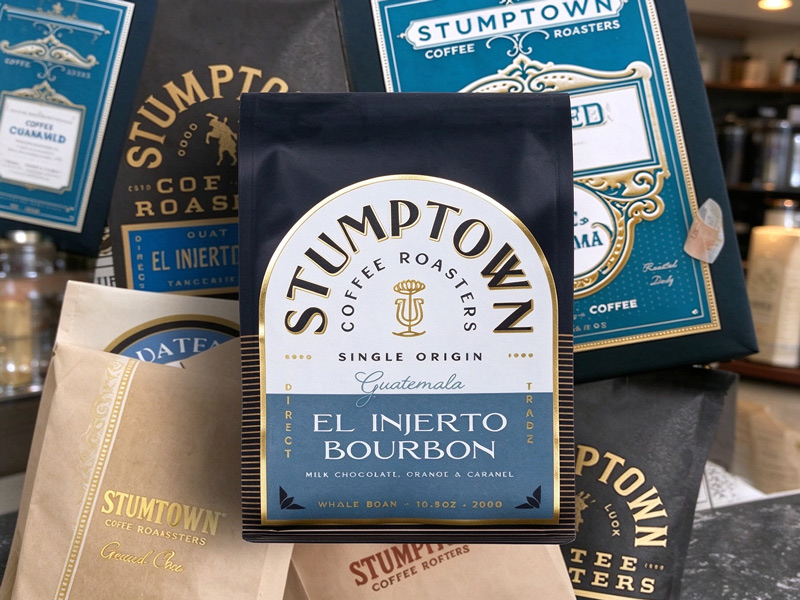
In 2001, Sorenson began flying to coffee farms himself, paying prices well above commodity benchmarks and shaking farmers' hands instead of buying through brokers. Stumptown was among the very first American roasters to do this, years before "direct trade" became a term printed on every bag in the aisle. The store still organizes its coffee around these relationships: bags carry farm and cooperative names, and seasonal single origins rotate through the catalog as harvests land. For buyers who want to know whose hands grew their coffee, this is the original template — and the store's product pages still read like a ledger of those relationships.
Hair Bender Is the Espresso Blend Other Espresso Blends Answer To
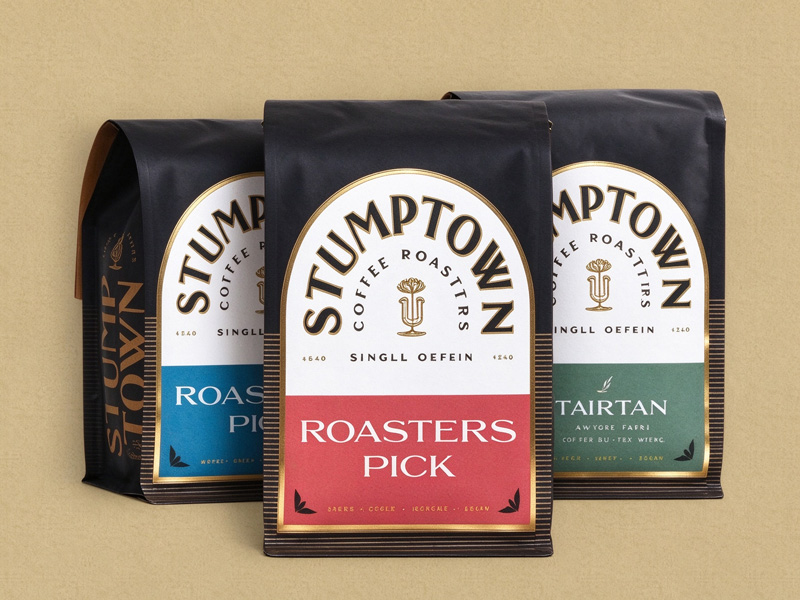
Launched in 2005, Hair Bender — named after a beauty parlor that once occupied the roastery building — became Stumptown's flagship espresso blend and, arguably, the reference point for a generation of American espresso. The blend combines Latin American and East African coffees into a cup that is sweet, structured, and consistent across milk drinks and straight shots alike. Its influence runs deep: countless cafés built their house espresso on Hair Bender or on blends explicitly designed to beat it. On the storefront it anchors the catalog the way a flagship anchors a fleet — the bag most first-time buyers start with, and the one longtime subscribers rarely abandon.
The 2011 Cold Brew Bottles Invented a Grocery Category
Stumptown's least-celebrated and most consequential innovation was packaging cold brew in stubby glass bottles in 2011 — before "RTD coffee" was an industry term — effectively creating the ready-to-drink cold brew category that now fills refrigerated cases nationwide. The original cold brew and its descendants remain staples of the store's catalog, and the move illustrates the company's habit of being early: direct trade in 2001, bottled cold brew in 2011, national grocery distribution before its peers had finished arguing about whether scaling betrayed the craft. Whatever one thinks of the outcome, the timing was consistently ahead of the curve.
Corporate Ownership Changed the Label, Not the Ledger
In 2015, Peet's Coffee — itself backed by Luxembourg-based JAB Holding — acquired Stumptown, one half of a double deal that also took Intelligentsia and moved both founding third-wave brands under corporate ownership. The concern writes itself: does institutional ownership dilute the sourcing relationships that built the brand? A decade on, the evidence is mixed but mostly reassuring — Stumptown has kept its direct trade relationships while expanding into thousands of grocery doors, and the catalog's farm-level transparency remains intact. Shoppers who refuse corporate coffee on principle will look elsewhere; shoppers who care about what's in the bag will find the ledger unchanged. The storefront itself treats this history as a non-event, which is either confidence or evasion depending on your reading.
The Store Sells Confidence in a Cup, Not a Dare
Where caffeine-challenger brands sell audacity, the Stumptown storefront sells fluency. Product pages lead with tasting notes and farm detail rather than superlatives; the subscription builder lets buyers rotate through single origins or lock onto a staple like Holler Mountain; and the merch and brew-gear section supports the hobby rather than the hype. The honest caveats are the ones shared by every scaled specialty roaster: single-origin rotation means favorite coffees disappear when the harvest does, subscription discounts are modest next to direct-to-farm newcomers, and fifteen years under corporate ownership has sanded some of the founder-era rough edges that made the brand a cult in the first place. What remains is the store of the movement's original template — and templates, by design, hold up.