They left california coffee jobs to roast in a tiny wisconsin village
Official homepage: https://rubycoffeeroasters.com
The specialty-coffee map has two kinds of markers: coastal cities with glossy roasteries, and the small towns where the people who trained in those cities quietly relocate. Ruby Coffee Roasters is the second kind. In 2013, Jared Linzmeier — a Wisconsin native who had spent years working in the coffee business in California and Washington — moved his wife Deanna and their two daughters back to his childhood home in Amherst Junction and started roasting. The operation eventually settled in nearby Nelsonville, a village of roughly 155 people, and has since grown into a regional wholesale roaster with two cafés, a national mail-order business, and a reputation for cheerful, colorful coffee. This review visits the store of specialty coffee's small-town counterweight.
Moving Home Was the Whole Business Plan
The relocation was not a retreat but a calculation. Jared Linzmeier had learned roasting and café operations on the West Coast, where the industry was crowded, rents were punishing, and every neighborhood already had a third-wave bar. Wisconsin offered what California could not: proximity to family, room to build, and a wholesale market — cafés, restaurants, grocers across the Upper Midwest — that was underserved by serious roasters. The family moved into his childhood home in Amherst Junction in 2013, set up the roaster, and built the business the slow way, one wholesale account at a time. Twelve years later the company employs the family and a small team, roasts in a converted space in Nelsonville, and ships to subscribers across the country.
A Village of 155 Hides a Serious Roastery
Nelsonville is the kind of place drivers pass through without noticing — a few hundred residents on the Tomorrow River between Amherst and Stevens Point — and the contrast is the point. Inside an unassuming building on First Street sits a working roastery that supplies cafés and kitchens across Wisconsin and beyond, its output far too large for the village that hosts it. The company leaned into the incongruity rather than hiding it: the packaging is famously bright and playful, the brand voice is warm and unpretentious, and the Nelsonville café that opened in 2024 treats the roastery as an open secret visitors get to discover. In an industry fond of industrial-chic warehouses, a roastery in a 155-person village is its own kind of statement.
Two Cafés Anchor the Retail Side of the Map
The direct retail presence came later and deliberately. The first café opened in Stevens Point in 2019 — a modern, light-filled storefront on Third Street that quickly became a fixture for the local cycling crowd riding the Green Circle trail — and the second opened in Nelsonville itself in 2024, a larger, airier space attached to the roastery. The hours are modest, the menus are focused, and the intent is clear: the cafés are showcases and community rooms for the brand, while the real geographic reach happens through wholesale bags and the online store. For a company headquartered in a village, the map strategy is inverted — the flagship is digital, and the physical bars are satellites.
Colorful Bags Carry a Wholesale-First Philosophy
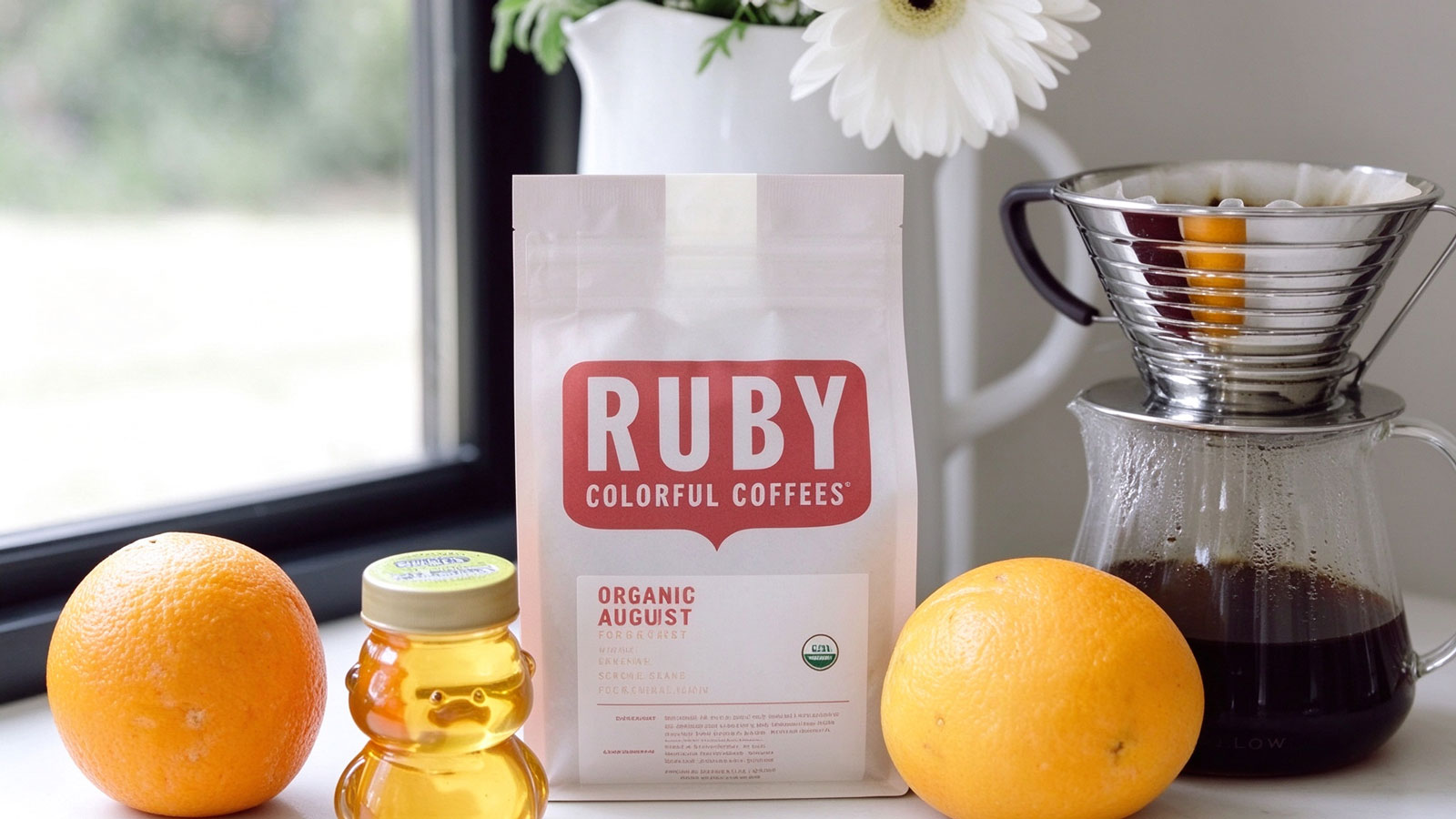
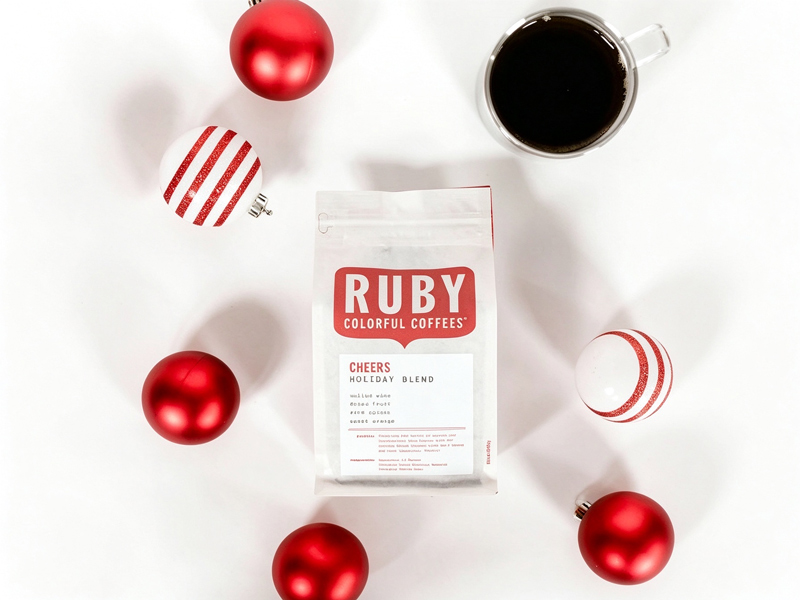
The Shopify storefront reflects the company's origins. The catalog is built around a rotating cast of single-origin coffees and blends — washed Ethiopians, Central American workhorses, the occasional experimental process — each in packaging loud enough to spot across a café counter. Subscription options cover weekly-to-monthly cadences with the flexibility serious home brewers expect, and the wholesale portal serves the business that still pays most of the bills. Product copy leans on approachability over cupping jargon, which fits both the brand voice and its customer base: Midwestern cafés and households who want excellent coffee without a lecture. Brewing guides and gear round out the store without overwhelming it.
The Honest Caveats Before You Subscribe
Small scale brings predictable frictions. The roasting operation runs on a lean team, so customer-service response times can stretch beyond the instant-chat norms set by larger competitors, and shipping from rural Wisconsin means transit times to both coasts are longer than distribution-backed brands manage. The playful branding, while distinctive, undersells the technical seriousness — buyers who judge by bag art may underestimate the product, and buyers who want glossy origin documentaries will not find them here. The rotating catalog also means specific coffees come and go with the harvest, which rewards exploration but frustrates anyone who finds one favorite and wants it forever. And with only two small cafés, the in-person experience is a regional privilege, not a national one.
The Coast Trained Them; the Village Keeps Them
Ruby Coffee Roasters is proof that the third wave's talent eventually flows everywhere. Jared Linzmeier learned the craft where the industry was loudest, then took it somewhere quiet enough to do the work properly — and built a roastery whose output, subscriber base, and two café rooms belie a headquarters of 155 people. The store sells that incongruity in every bright bag: coffee good enough for the coasts, roasted where nobody would think to look for it.