They called him a wizard, so he built headphones worthy of the name
Official homepage: https://www.nobleaudio.com
Noble Audio earned its founder's nickname the old-fashioned way. Dr. John Moulton — a doctor of audiology from a family of hearing specialists — spent years in Thailand and China learning to hand-build custom in-ear monitors, posting his creations on the Head-Fi forums until one member accused him of sorcery and another dubbed his work "wizardry." The nickname stuck, the company followed, and in late 2013 Moulton and business partner Brannan Mason officially launched Noble Audio from California. Its first product, the ten-driver Kaiser 10, redefined what an in-ear monitor could be — and started a design revolution the entire industry now takes for granted.
A Family of Audiologists, Raised in Hearing-Aid Labs
Moulton's credentials run deeper than marketing. His father holds a doctorate in speech and hearing sciences, and John grew up playing in hearing-aid laboratories — he jokes he was around them since the days of diapers. That upbringing gave him an intimate understanding of ear anatomy and acoustic physics that most headphone designers lack: he trained as an audiologist himself, earning his Au.D and clinical certification. Before Noble, he worked inside the hearing-aid industry, including stints in Thailand, where he began teaching himself custom-IEM construction around 2008, building, breaking down, and rebuilding monitors until the craft became second nature. When his wife stepped on her Bluetooth earpiece, he took it to the hearing-aid lab and made her a custom-fitted replacement — then looked at his own ill-fitting Shure E3 and decided he could do better.
The Wizard Learned His Craft in Bangkok and Chengdu
The road to Noble ran through Asia. Moulton posted his early custom builds on Head-Fi's DIY section under the handle Full Circle, sourcing Thailand's abundant hardwoods for faceplates because he had no laser engraver or decal printer. When a forum skeptic accused him of being a shill for an established CIEM company, another member defended him — praising his long practice of "wizardry with CIEMs." The handle became an identity. He subsequently partnered on a CIEM venture in Chengdu, China, where the first twenty sets were literally built on the floor of a cold bathroom, before deciding to start anew. That reset became Noble Audio, co-founded with Brannan Mason, whom he had met in a Bangkok restaurant and who handled the business, sourcing, and customer-service machinery.
Kaiser 10: Ten Drivers, One Benchmark
The launch product arrived in November 2014: the Kaiser 10, named for Noble master craftsman Kaiser Soze. It was the first in-ear monitor to pack ten balanced armatures per ear — two each for bass, mids, mid-highs, highs, and super-highs in a four-way crossover — into a shell no larger than any competitor's. Priced at $1,599, it earned a rave from The Verge for surfacing "the tiniest of details and nuances" and went on to collect a near-unbroken string of five-star community reviews, reigning as Noble's flagship for over three years — an eternity in the IEM market. The K10 also established the house method that persists today: tuned "by ear first, graph second," with Moulton designing what he himself loves to hear and a small circle of trusted listeners weighing in before anything reaches production.
Noble Made IEMs Beautiful Before Anyone Else
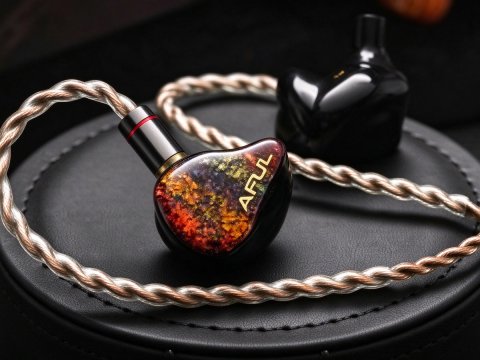
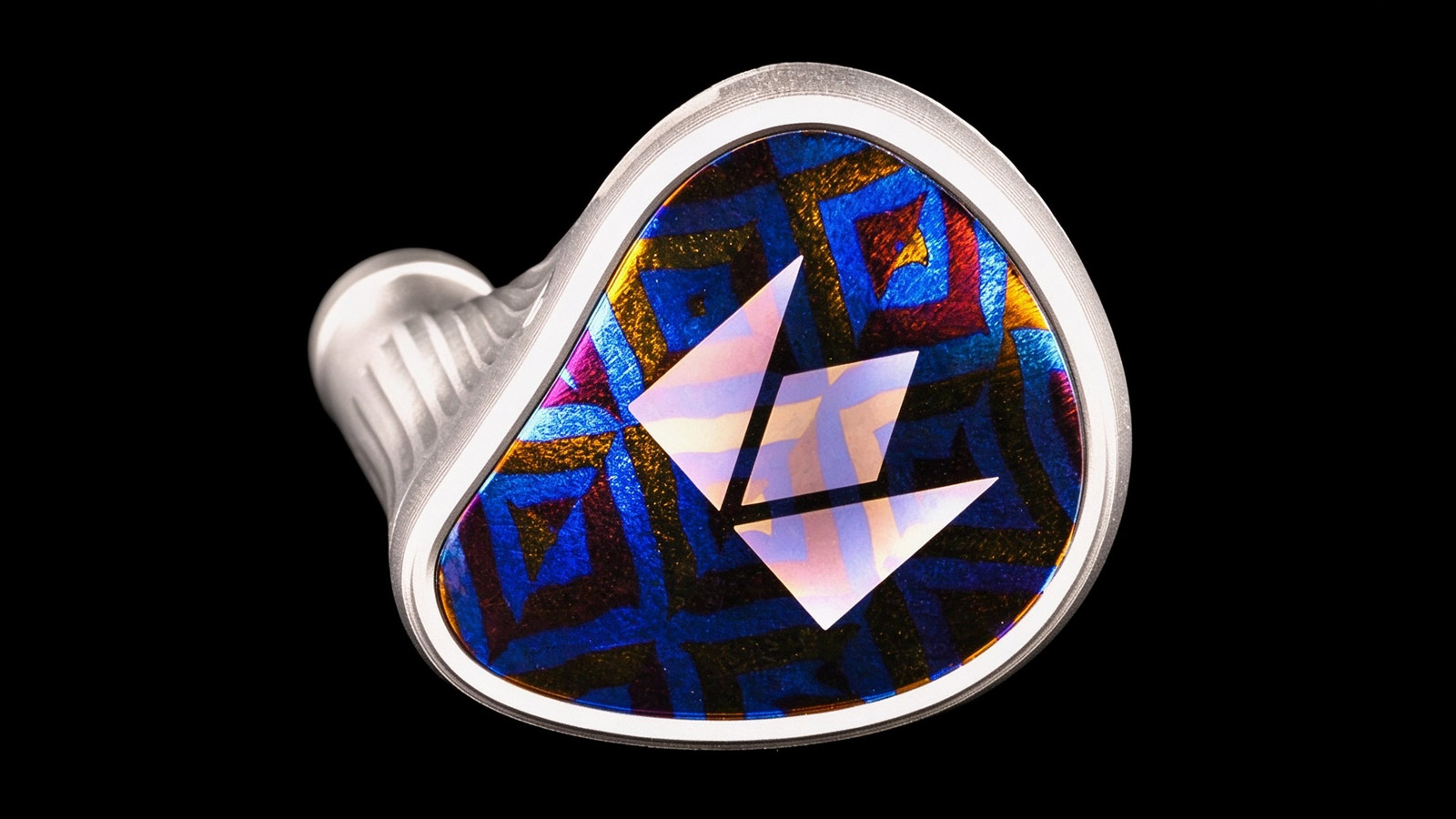
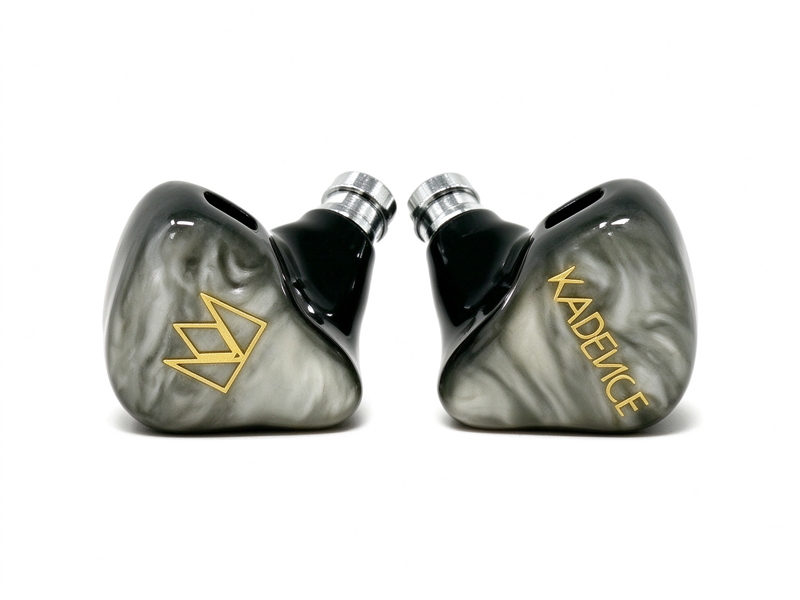
The most underrated Noble contribution is aesthetic. In the early 2010s, custom monitors were flesh-colored, clinical appliances. Moulton was among the first to treat an earphone as jewelry — intricate faceplates, exotic hardwoods, precious-metal accents — and his brother Jim, who became a 50 percent co-owner in 2018, has said plainly that the modern trend of beautiful IEMs started with Noble. The Prestige line pushes that idea to its limit: universals and customs carved from solid exotic materials — stabilized woods, carbon fiber, metal alloys — finished with rare techniques like Japanese Mokume-Gane marbling and titanium Damascus, with master jeweler Chris Ploof collaborating on the Viking Ragnar's stainless Damascus faceplate. Individual ears can take up to thirty hours of handwork. Each Prestige piece is, in effect, a wearable sculpture.
Product Names Honor Legends, Not Focus Groups
Noble's naming convention is a worldbuilding exercise. The catalog reads like a chronicle of legendary figures: the Katana and its sucessor, the Khan and Kublai Khan, the Sultan, the Ronin, the Viking Ragnar, and — at CanJam Singapore 2025 — the Shogun and Agis II, the latter continuing a Spartacus line that uses bone-conduction drivers to reinforce the midrange. Each name signals a different design lineage and sonic personality: the Japanese-named models lean neutral and detailed, the bone-conduction Spartacus family warms the mids, the Khans sit at the flagship summit. It is branding as narrative, and it gives collectors a map — newcomers can navigate the lineup by the legends it invokes rather than by spec sheets.
The Wizard's Touch Extends to Wireless
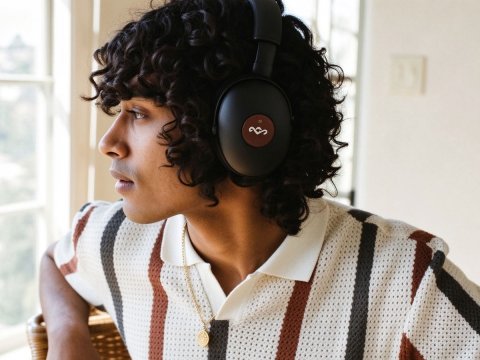
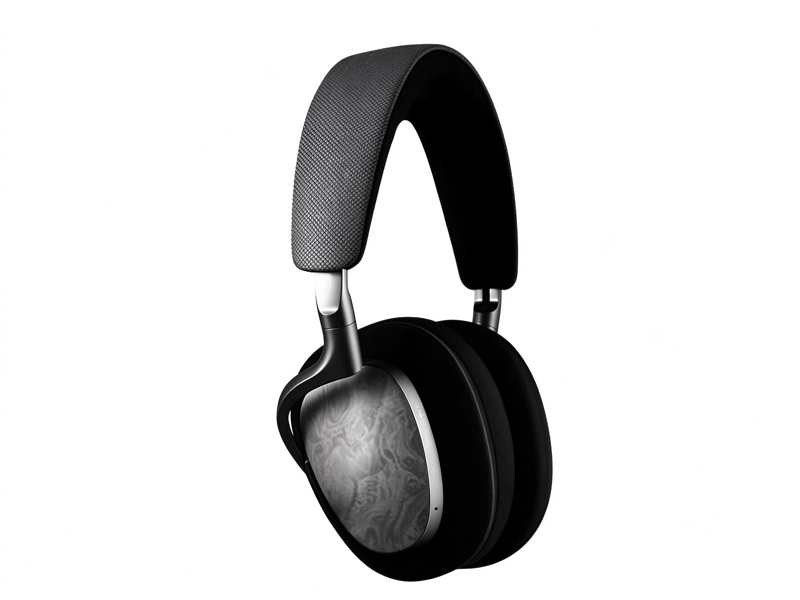
The brothers refused to let the brand ossify in wired audiophilia. The Falcon Pro true-wireless arrived in 2020, the FoKus Pro followed in 2021, and 2023's FoKus Prestige — an all-wood true-wireless earbud, a genuine industry first — was widely recognized as the finest TWS in-ear monitor of its generation. The FoKus Rex5 added a five-driver hybrid array and Audiodo's personalized sound-calibration technology, while the FoKus Apollo in 2024 became Noble's first over-ear headphone. The point was not to chase the mainstream but to prove the Wizard's tuning could survive translation to wireless architectures — a claim backed by continued Headphone of the Year awards across both domains.
Texas Craft, Global Audience
Today Noble Audio operates as a family business from Texas: John, the Wizard, leads design and tuning while Jim Moulton handles finance and operations, with assembly split between US-based Prestige handcrafting and partner facilities in Asia where John resides. The direct store serves a global audience of musicians, engineers, and audiophiles, offering everything from $59 USB-C earbuds in the Tracks line to multi-thousand-dollar Prestige customs, with the lookbook showcasing the brand's artistry like a gallery. The crown in the logo — chosen to symbolize the "noble" quality the brothers chase — turns out to be an honest summary: a hearing-science pedigree, a wizard's ear, and a jeweler's hand, all behind one pair of earphones at a time.