The world's strongest coffee: a basement bet that nearly drowned in its own success
Official homepage: https://deathwishcoffee.com
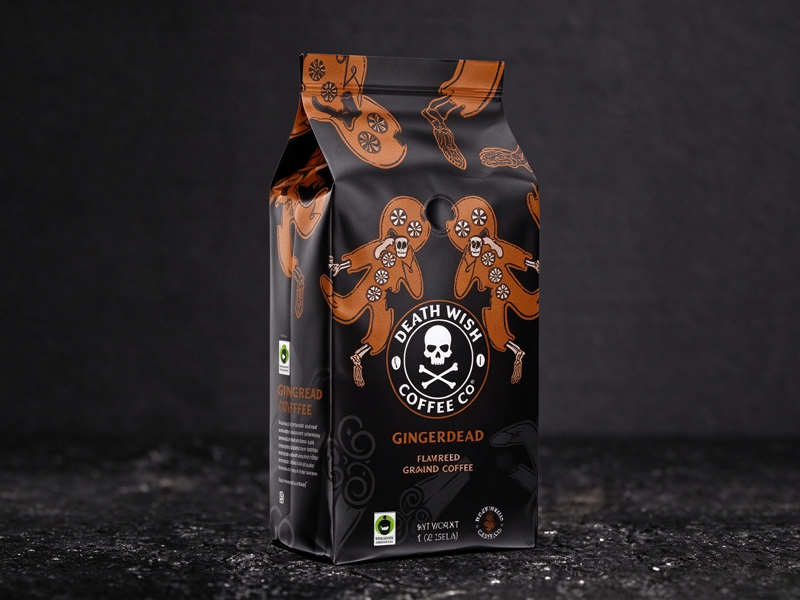
Most coffee stores sell comfort. Death Wish Coffee sells a dare — the self-proclaimed strongest coffee in the world, built on a blend of dark-roast arabica and organic robusta beans that delivers roughly twice the caffeine of a standard cup. The origin story is even more caffeinated than the product: a failing Saratoga Springs coffee-shop owner named Mike Brown started blending beans in his basement around 2010, nearly went under when a Good Morning America feature flooded his rickety website with ten thousand orders, then won a Super Bowl commercial and became the top-selling fair-trade and organic coffee brand in the United States.
One Man's Basement Blend Became a National Caffeine Dare
Mike Brown was not a roaster when he started. He was a coffee-shop owner in Saratoga Springs, New York, frustrated that customers kept asking for "the strongest cup you have" — and that his answer was always a shrug. Around 2010 he began experimenting in his basement with bean combinations, settling on the counterintuitive insight that the strongest cup was not the darkest roast but a dark-roast arabica base boosted with high-caffeine robusta beans. The resulting blend became the product, the name became the promise, and the skull-and-crossbones-adjacent branding became the personality. What began as a side experiment in a struggling shop grew into a brand that now reports annual revenue estimates in the tens of millions.
The Good Morning America Feature That Almost Ended Everything
In 2013, ABC's Good Morning America featured Death Wish as a novelty — the world's strongest coffee — and the response was immediate and disastrous. Roughly ten thousand orders arrived at a website held together with digital duct tape, and the company could not fulfill them on time. Customers complained loudly enough that some concluded the brand was a scam, and Death Wish was kicked off major online selling platforms. It took the team about thirty days to manually work through the backlog. The near-death experience became the company's founding discipline: any platform it builds must survive a spotlight, because this brand attracts spotlights.
Winning a Super Bowl Ad on a Small-Business Budget
The redemption arc arrived in 2016. Death Wish entered — and won — Intuit QuickBooks' "Small Business Big Game" contest, earning a fully paid 30-second commercial during Super Bowl 50, an ad buy normally priced at five million dollars and far beyond a coffee startup's reach. The two hours after the spot aired produced roughly a quarter-million dollars in sales, about $2,083 per minute, and the brand reported 200 percent year-over-year growth afterward. The lesson the team took was not that the Super Bowl defined them — it was that the infrastructure behind the moment did, and the company rebuilt its stack around Shopify Plus integrated with its ERP to handle whatever attention came next.
Twice the Caffeine, Certified, Without the Artificial Boost
The core claim holds up under scrutiny. Death Wish's flagship dark roast is certified USDA Organic and Fair Trade, made from arabica plus a meaningful share of premium organic robusta — the species that carries roughly twice the caffeine of arabica — with no added caffeine or synthetic boosters. The blend is roasted dark, which keeps bitterness in check while the robusta supplies the punch. In early 2026 the company leaned further into its identity with Power Surge, a roast delivering 20 percent more caffeine than the flagship dark roast through a higher robusta ratio, launched alongside a Caramel Cold Brew Latte entry into the ready-to-drink aisle. According to SPINS scan data cited by the company in late 2025, Death Wish is the number-one selling fair-trade and organic roasted coffee brand in the United States.
The Society of Strong Coffee Keeps Buyers as Members
The storefront treats one-time buyers as recruits. The loyalty community is literally called the Society of Strong Coffee, and the retention machinery runs on subscriptions — a coffee subscription priced around $27.99 per bag versus roughly $39.98 one-time, with the subscription option pre-selected — plus SMS-driven product drops that have become events in their own right. The zodiac mug releases are the canonical example: monthly sign-specific mugs that fans reportedly contact customer service about if a launch text is missed. That is the economics of the store in miniature: caffeine is the acquisition hook, but belonging is what gets renewed.
Twenty-Five Thousand Stores Later, the Website Still Matters
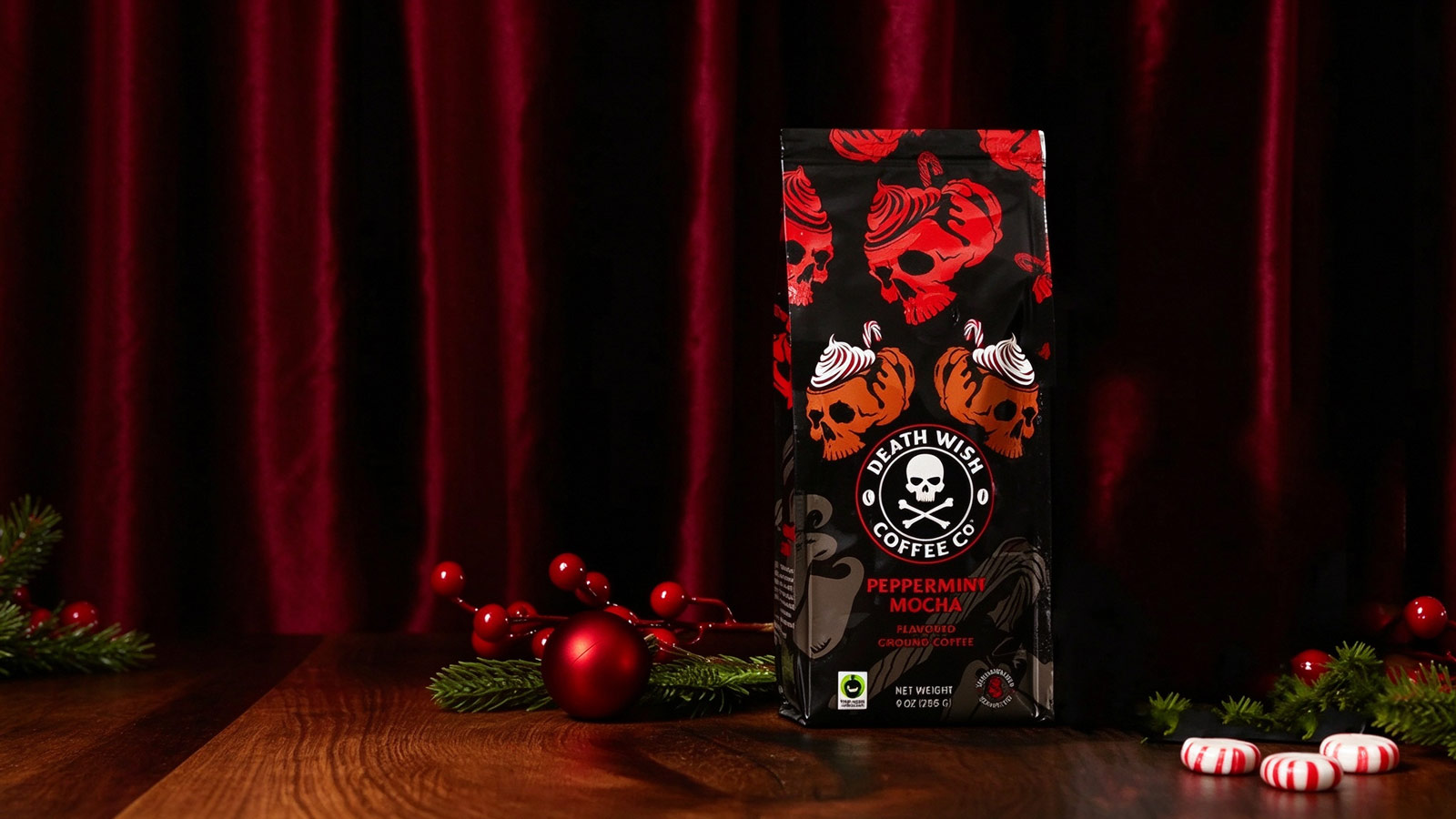
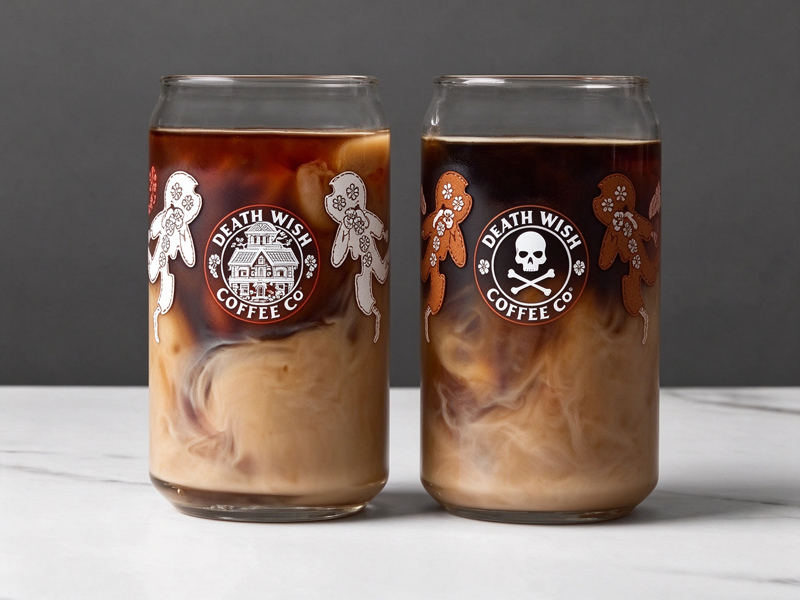
For a brand whose bags now sit in more than 25,000 retail doors nationwide, the Shopify store carries an outsized share of the personality. Product pages lean into the dare — Valhalla Java, the brand's collaboration with guitarist Zakk Wylde, sits beside flavored seasonal drops, cold brew, and Death Cup single-serve pods — while the subscription builder and mug drops keep the direct relationship alive. It is also where the brand controls its own narrative around caffeine: dose guidance, brewing instructions, and the recurring FAQ about whether the world's strongest coffee is safe.
The Honest Caveats Before You Order the Dare
The strongest-coffee promise cuts both ways. Two standard cups' worth of caffeine in one mug is genuinely too much for many people, and the company itself advises starting slow — a caveat competitors never need to print. The dark, robusta-heavy profile skews bold and earthy rather than fruity or delicate, which specialty-coffee drinkers raised on light-roast single origins may find one-dimensional even as they admire the intensity. And the subscription-heavy pricing, while a genuine discount, pre-selects the recurring option, a pattern every careful shopper should notice before checkout. None of this diminishes the accomplishment — but it does define exactly who this store is for.
A Basement Bet That Became a Shelf Staple
What makes the Death Wish storefront worth a browse is that its audacity is documented rather than decorated. The near-collapse of 2013, the Super Bowl of 2016, the certification claims, the twenty-five-thousand-store footprint, and the 2026 product push into higher-caffeine and ready-to-drink territory all trace back to one owner's answer to a question customers kept asking. The store sells the strongest coffee in the world the way it built the claim: directly, loudly, and with the receipts on the page.