The tiny weapon shop every LEGO fan eventually finds online
Official homepage: https://www.brickforge.com
BrickForge sells what no official set ever will: a Roman gladius for a minifigure's hand.
Every serious brick collector hits the wall eventually — the official catalog has thousands of pieces, yet the specific helmet, the right sword, the medieval pauldron simply does not exist. BrickForge has been answering that frustration since the late 2000s with an enormous library of fan-designed, injection-molded accessories: weapons, armor, headgear, and hair pieces that snap straight onto standard minifigures. This review examines how a niche accessory maker became a fixture of the customization scene, why its historical packs became a value benchmark, and what buyers should understand about the unofficial corner of the brick world it occupies.
Filling Gaps the Official Catalog Leaves Open
The company's mission statement, repeated across the fan press for years, is almost comically direct: fill in the gaps left open by the major brick companies. The official catalog is vast but cautious — it serves licensed themes and play-focused sets, leaving enormous territory unmined: historical warfare, fantasy armor, civilian detail pieces, and accessories too niche for mass retail.
BrickForge's founders saw that the aftermarket itself was the opportunity. Rather than compete on sets, they built a parts library — helmets from a dozen eras, shields in every shape history produced, rifles and katanas and crowbars — engineered to official tolerances so they click into standard minifigure hands without modification. The result is a store where a builder assembling a Roman legion or a zombie apocalypse diorama can outfit every figure exactly, one dollar at a time.
A Review from 2009 Already Knew the Name
Longevity matters in this corner of the hobby, where storefronts appear and vanish with Kickstarter cycles. Fan media was reviewing BrickForge accessory lines as early as 2009, and the brand has remained a staple of customization guides and community roundups ever since — a run of well over fifteen years that few aftermarket makers can match.
The consistency is the point. Parts produced across those years share the same design language and tolerances, so a helmet bought this year sits perfectly beside a weapon bought a decade ago. For collectors building armies over long timelines, that continuity of supply is worth more than any single release.
ABS Plastic, Steel Moulds, Fan-Designed Parts
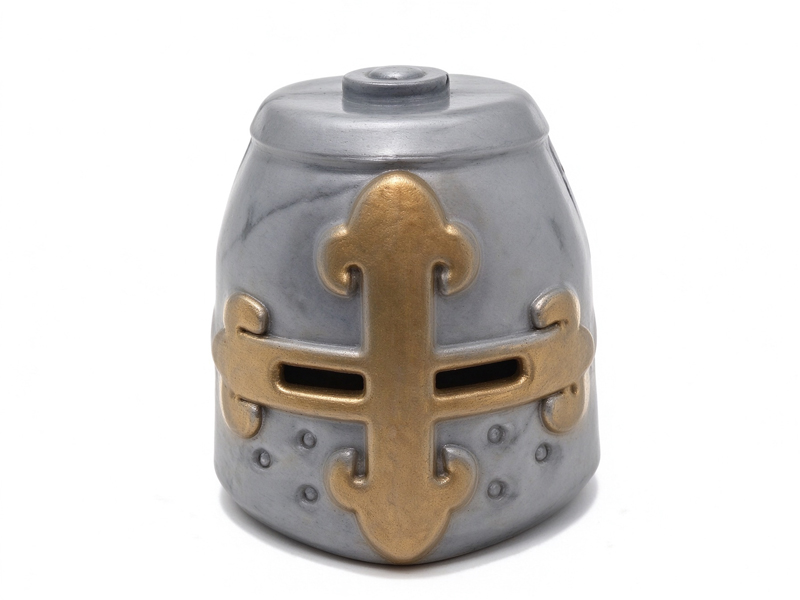
Material quality is where aftermarket accessories live or die. Cheap 3D-printed pieces warp, fade, and fit loosely; official-tolerance ABS does not. BrickForge parts are injection-molded in the same ABS family the major brands use, produced through professional steel tooling, and finished to grip minifigure hands and heads with the same snap as factory elements.
The fan press has occasionally noted tolerances that differ from official parts — the nature of independent tooling — but the overwhelming community consensus across years of reviews holds the fit and finish at or near factory standard. For builders who handle parts constantly, that feel is immediately obvious, and it separates this store from the resin-cast competition.
Armour for Romans, Katanas for Ninjas
The catalog's organization is the quiet marvel. Rather than a flat parts bin, pieces group into coherent themes — medieval knights, Roman legionaries, ancient warriors, modern military, fantasy races, and civilian life — so a builder planning a scene can outfit it from one section. Armor sits over standard torsos, helmets atop standard heads, weapons in standard hands; nothing requires gluing or cutting.
This thematic coherence also makes the store browsable in a way parts marketplaces are not. Many buyers arrive for one specific piece and leave with a themed haul, which the store encourages through multi-piece packs and clear photography showing pieces fitted on actual minifigures.
Priced Like Candy, Shipped Like Collectibles
The pricing model is deliberately accessible: most individual accessories cost in the low single dollars, making them impulse-purchase territory even for younger builders with allowance money. Packs bundling themed assortments push the per-piece cost lower still, and community reviewers have singled the historical packs out as the value sweet spot of the catalog.
Small parts ship inexpensively worldwide, and the store has long served the international customization community through exactly that math — a handful of pieces, a few dollars, delivered anywhere bricks are loved. For gift buyers, the low price point also makes the store an easy answer for the brick fan who already owns every set they want.
The Compatibility Question Every Customizer Audits
Compatibility is the first question any buyer asks, and the answer here is straightforward: the parts are engineered for standard minifigure proportions and fit official figures, clone-brand figures, and aftermarket figures alike. Builders mixing systems — a reality in most serious collections — report no practical difference in grip or fit.
The subtler audit is aesthetic: BrickForge designs are original creations, not copies of official pieces, so they read as their own style beside factory elements. That originality is legally deliberate as well as artistically — the store operates on its own designs rather than reproducing protected molds, which keeps it on the legitimate side of the aftermarket's grayest territory.
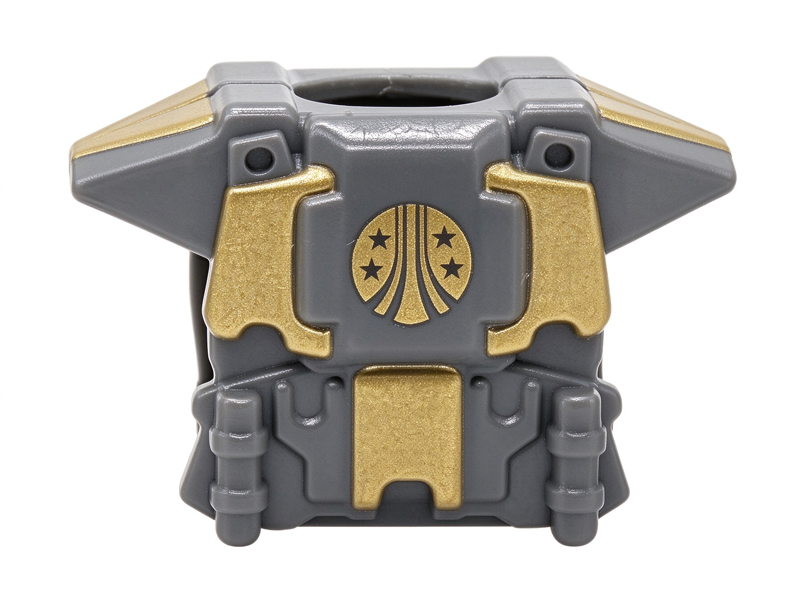
Historical Packs and the Value Sweet Spot
The historical accessory packs deserve their reputation. Bundles like medieval or ancient-warrior assortments deliver coordinated sets of armor, weapons, and headgear at a per-piece discount, and fan reviewers have praised them for years as the easiest entry into army building. A single pack can transform a squad of bare minifigures into a coherent historical unit for less than the cost of one retail set.
For the store, the packs also serve as discovery devices: buyers who start with one theme typically return for another, since the catalog's eras span from antiquity to modern day. The result is a repeat-purchase rhythm more like a hobby supply shop than a toy store.
Customization Culture and Its Unlicensed Territory
An honest review must map the territory this store inhabits. The customization community — BrickForge alongside its peers — grew up filling gaps the official ecosystem ignored, and it operates entirely unofficially: no licenses from the brick maker, no endorsement, and constant awareness that the line between inspired-by and infringing is carefully walked. Original designs keep the store on the defensible side of that line.
Buyers should also understand the ecosystem context: pieces like these are made for personal builds and displays, not for resale inside customs or for representing themselves as official products. The community's norms enforce this quietly, and the store's own framing — a parts supplier for creators — keeps the relationship symbiotic rather than parasitic.
Who Needs a Drawer Full of Accessories
The BrickForge customer is the builder whose minifigures have outgrown their original sets: diorama builders needing fifty identical helmets, tabletop gamers proxying fantasy armies in brick, collectors completing historical displays, and parents whose children's knights keep losing swords. It is less suited to buyers who want complete play experiences in a box — that is what retail sets are for.
The verdict after fifteen-plus years of community evidence: BrickForge turned the gaps in the world's most complete building system into a durable business, one two-dollar helmet at a time. For anyone who has ever stared at a minifigure and wished it held something the factory never made, this store has been the answer longer than most fans have been asking.