The quiet rise of priority: the low-maintenance bike store built by a software CEO
Official homepage: https://www.prioritybicycles.com
Cycling stores usually sell you a hobby that becomes a chore. Priority Bicycles sells the opposite: a bike you air the tires on and forget. The origin story is told on the storefront itself, and it explains everything about the shelf. Founder Dave Weiner was the CEO of a multinational software company who kept finding himself tuning friends' bikes just so they could go for a weekend ride — and realized the products they wanted existed only at prices or maintenance burdens that made them unreasonable. So he quit, and in 2013 started building the bicycle his friends had described: lightweight, good-looking, affordable, and free of routine maintenance. A decade on, the New York-based company has quietly become one of the most consistently praised bike brands in America — a 4.8 Trustpilot score across nearly seven thousand reviews, an award for the best non-electric commuter bike of 2025, and a loyalist base that buys second and third bikes without hesitation. I went through the maintenance doctrine, the lineup, and the complaints hiding under all that praise. Here is the store across its dimensions.
A Software CEO Walks Into a Bike Shop
The founding logic is engineering triage. Weiner's software background shows in how the catalog avoids the industry's default: rather than spec bikes for enthusiasts who enjoy maintenance, Priority designs around the failure points casual riders abandon bikes over — chains that rust, gears that drift, saddles that squeak. The mission statement on the storefront promises bicycles with no routine maintenance, and the method is a set of deliberate component choices rather than a marketing phrase.
What Low Maintenance Actually Means
The doctrine has three pillars, printed on the homepage. First, the belt: Gates carbon belt drives replace chains on most models — no lubrication, no rust, no greasy pant cuffs, and a lifespan measured in years of daily commuting. Second, rust-fighting construction: aluminum frames, stainless hardware, and component selections chosen for coastal and all-weather durability — South Carolina beach households describe buying two for themselves and four more for guests because the bikes survive salt air that destroys cheaper machines. Third, internal gearing: three-speed and eight-speed sealed hub systems shift at stoplights and shrug off weather, where derailleurs demand adjustment. One owner's summary of the Hot Sauce assembly captures the ownership reality: tighten a few bolts, hop on, go — nothing needed tuning.
The Wall From Classic to Titanium
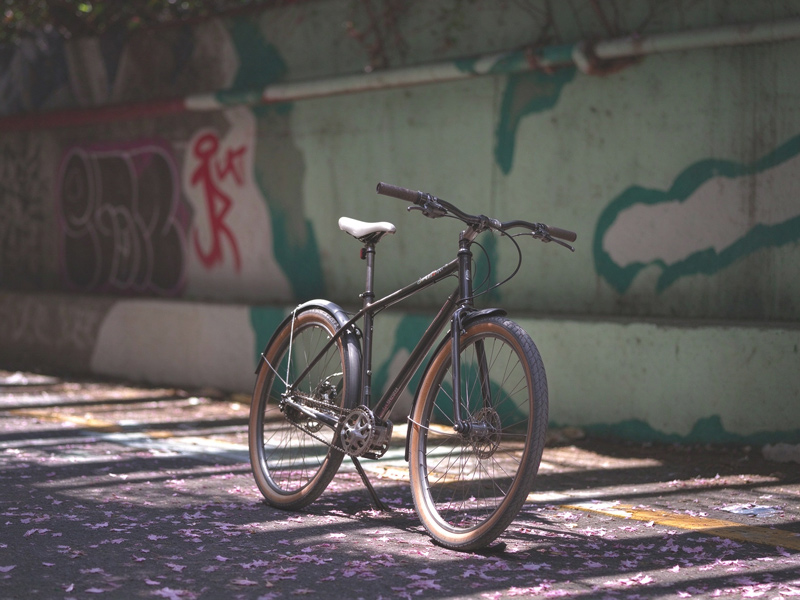
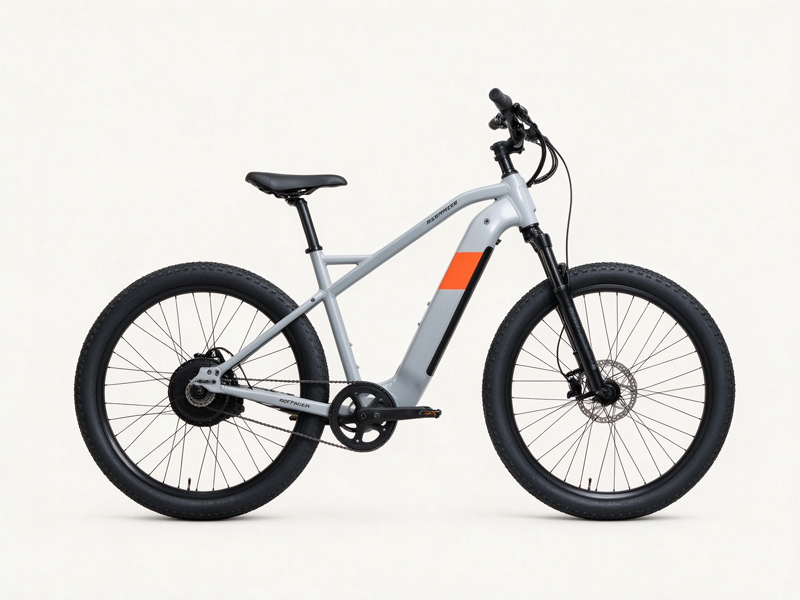
The lineup is a ladder of use cases rather than a spec arms race. The Classic three-speed city bike opens the range; the 600 was named the best non-electric commuter bike of 2025 by the site's review aggregation, and the 600ADX extends it into adventure and bikepacking territory with knobbier rubber and rack mounts. The Eight is the road model for riders who want drop bars without the maintenance culture. The Turi is the step-through cruiser, the Coast the beach machine, and the Apollo Ti sits at the top in titanium for buyers who want the forever bike. On the electric side, the Current commuter and the newly launched E/Sauce headline the e-assist range, and kids' models round out the family pitch. Prices run from roughly five hundred dollars for the Classic into the low thousands for titanium and e-bikes — mid-market, but the component math (Gates belts, sealed hubs, quality touch-up paint included in the box) routinely beats comparably priced derailleur bikes on total cost of ownership.
Virtual Visits and 365-Day Humans
The support apparatus is the dimension competitors should copy. A team of bicycle experts is reachable 365 days a year by email, text and WhatsApp, live chat, and something almost no bike brand offers: a Virtual Visit, a scheduled video consultation where staff walk you through sizing and model choice face to face. The Bike Finder quiz routes the undecided, in-stock orders ship same or next business day, and bicycles ship free — a detail most direct brands quietly tax.
Assembly Your Way
Every bike ships with the tools included — a genuinely thoughtful touch reviewers single out — and most owners report fifteen-to-thirty-minute assemblies requiring nothing but bolt-tightening, the belt and hub arriving pre-tuned. For the non-wrenching, Priority offers a local-shop build option at checkout; one Trustpilot reviewer had a shop complete the build ahead of schedule and praised the arrangement. Either path ends at the same place: a bike that works the first time, which is rarer in the category than it should be.
The Trustpilot Mountain
The independent record is unusually clean. Priority holds 4.8 stars across nearly seven thousand Trustpilot reviews, ranking fourth among bicycle stores on the platform, and the pattern within it reads like a brand handbook: repeat customers returning after eight years for a second Classic, coastal buyers accumulating fleets, owners calling out replacement-key and parts support by name. Where problems appear — a bike damaged in shipping, a defective e-bike battery — the resolution stories end with parts shipped, goodwill gestures, and retained customers.
Reading the Complaints Anyway
The honest ledger is short but real. The included saddle draws consistent comfort complaints — Priority sells an affordable comfort upgrade, but the stock spec is the budget showing. The three-speed hub's gearing feel divides owners; one longtime buyer noted the ratios feel unlike past Shimano three-speeds, with first gear nearly resistance-free and third harder than expected — a "would have bought the five-speed" lesson worth reading before checkout. And the defective-battery story, while it ended well with a replacement and a free rack, ran through weeks of tests and emails before resolution. Small frictions, honestly disclosed, none structural.
Ride It and Forget It
Priority Bicycles is the rare store whose promise and product are the same sentence: low maintenance at a fair price, backed by humans who answer every day of the year. Buy the 600 if you commute, the Classic if you cruise, pay the titanium tax on the Apollo if you never want to think about a bicycle again — and take the five-speed if you're anywhere near indecision about gears. This is what happens when a software CEO treats a bike like a product instead of a lifestyle, and it remains the easiest recommendation in city cycling.