MAAP at speed: the melbourne kit maker with premium prices and service gripes

Official homepage: https://maap.cc
Cycling stores usually choose a side: racing heritage or fashion week. MAAP refused. Launched in Melbourne in November 2014 by founder Oliver Cousins and his partner Jared, the brand bet that a generation of riders wanted pro-grade construction in colorways that looked like they came from a design studio rather than a podium — and that those riders would pay Rapha prices for it. The bet worked well enough to stock a flagship store in Melbourne, an off-bike lifestyle capsule, and a review wall that reads, depending on which review platform you trust, like either a love letter or a subpoena. I went through the price ladder, the two review universes, and the service record. Here is the store across its dimensions.
Founded at the Cafe Table
The origin is industrial design, not pro cycling. Cousins came from a design background and started MAAP with a thesis about cycling apparel as an aesthetic object — clean lines, quiet color blocking, typography-first logos — built on the same fabric mills and chamois suppliers the WorldTour uses. The name is an acronym of the founding idea, and the Shopify storefront, which the platform's own podcast has profiled, is merchandised like a fashion house: lookbooks, capsules, and seasonal drops rather than spec sheets.
What a $235 Bib Buys
The price ladder begins high and climbs. The Team Bib Evo, the flagship short that editorial reviewers consistently rank among the best in class, runs $235 — built on an Italian Elastic Interface three-dimensionally thermo-molded chamois with a male-specific cut, in a range of neutrals and seasonal colors that one gear editor described as "quiet class and elegance" next to louder rivals. Jerseys cluster around $150 to $200, with the Pro Air 3.0 anchoring the race line and the Alt_Road collection translating the aesthetic to gravel and adventure. The Off-Bike capsule — tees, fleeces, lifestyle layers — extends the brand to riders' non-riding hours, which is where the margin lives. Compared to Pas Normal's $320 Mechanism Pro bibs or Rapha's premium lines, the pricing sits at parity; the differentiation is entirely design language and fit philosophy.
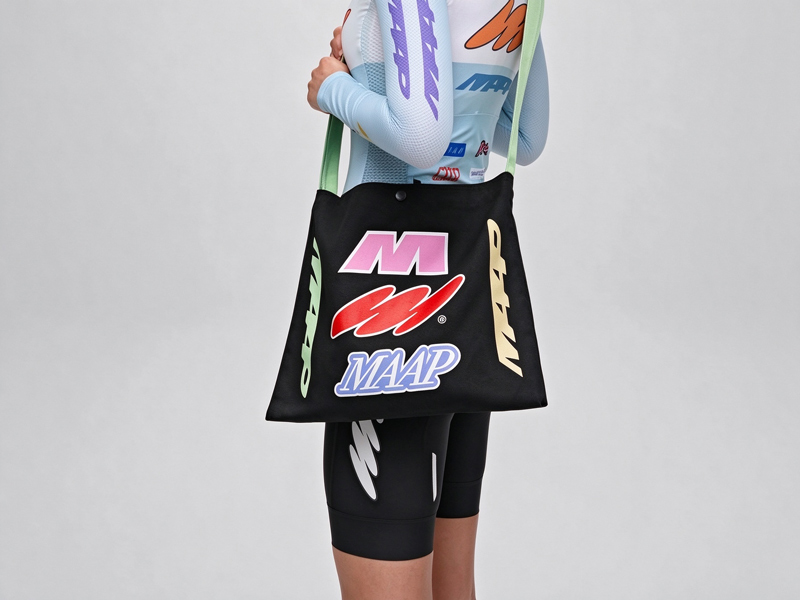
A Wall of Color, a Maze of Fits
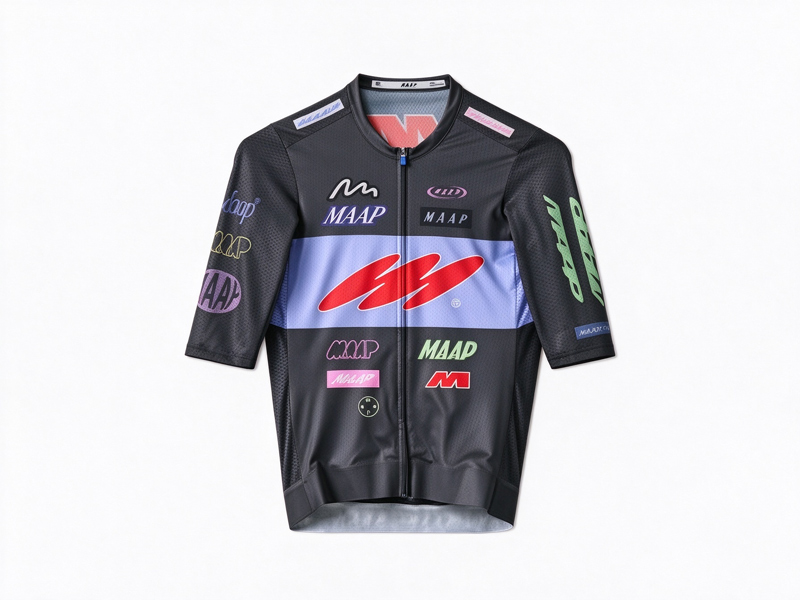
The brand's signature is visual coherence — coordinated jerseys, bibs, socks, and caps that photograph like a team kit for a team of one. The honest friction lives in fit drift: long-time customers report that the move from the older Pro Fit to the current Race Fit shortened hemlines and stiffened pocket stretch, leaving long-distance riders who carry food and tools in their jersey pockets caught between a race cut they do not need and a training line whose designs they find dull. Sizing consistency has drawn similar notes — one reviewer measured a new medium two inches smaller at the neck than his previous medium from the same brand, a manufacturing defect the support team insisted was a sizing choice.
The Two Reviews Split
Here is the dimension that tells you how to read this store: the review wall is split down the middle by collection method. On Reviews.io, where feedback is collected post-purchase, MAAP holds a 4.6 average across more than 3,400 entries — quality exceptional, delivery fast, crash-replacement claims handled quickly with a 40-percent voucher. On Trustpilot, where reviews arrive unprompted and disproportionately from people with problems, the file reads as an indictment: stitching failures on bib shorts, mesh backs tearing after six rides, baselayers ripping within fifteen wears, sharp zipper tracks that damaged a brand-new pair of bibs on the first ride, see-through fabric on a $295 pair of women's bibs. Both datasets are true; they describe different sampling. The honest reading is that quality control is inconsistent, and the inconsistency is what customers remember.
Twelve Months of Coverage
The warranty runs twelve months from receipt against faults, with wear and tear explicitly excluded — a thin blanket for premium-priced apparel that reviewers expect to survive seasons, not months. The bright spot is crash handling: multiple owners describe fast, generous crash-replacement responses, a 40-percent voucher arriving within days of a crash that shredded a bib but, by one account, saved its wearer from worse injury. The goodwill exists; it is the baseline quality failures that force customers to need it.
Sale Items Are a Voucher
The returns ledger is where the brand's premium positioning curdles. European customers report that sale items return for store credit rather than refunds — framed by some as a violation of EU consumer law — with self-paid returns around twenty-five euros and the credit locked to another MAAP order. Swiss buyers describe being double-taxed through the EU warehouse, and orders arriving in flimsy jiffy bags that burst in transit, losing items that support then disputed. Mid-year sale shoppers describe ordering, waiting, and discovering weeks later that half the order was out of stock and never would ship, refunded only after the customer chased it.
The Support Blackout
The consistent thread across the complaint file is not the failures themselves but the silence that follows. Returns "lost" at the warehouse despite tracking showing delivery; refund stalls stretching past two months; live-chat conversations that end with the same agent repeating that the warehouse does not have the return; no UK phone number and weeks of unanswered emails; a jersey lost to a checkout technicality — no last name attached, so never dispatched — met with a cancellation and a shrug rather than an apology. One loyalist who had bought since the Australia-only days summarized the arc: it used to go smoothly, and now it is a complete disaster. For a brand whose prices assume a service covenant, the gap between product love and support experience is the store's defining tension.
Off the Bike
MAAP is the design-first kit maker that proved cyclists would pay fashion prices for quiet colorways and WorldTour-adjacent construction — and then, by the unprompted record, bet too heavily on the design carrying the service. Buy the bibs during a sale from a retailer you trust, size conservatively, and keep the crash-replacement policy bookmarked; order direct only if your patience outlasts your delivery window. The kit, when it arrives intact and fits, is genuinely among the best-looking in the sport.