Retrospec, under one roof: the los angeles store that put e-bikes next to paddleboards

Official homepage: https://retrospec.com
Cycling stores usually specialize: road bikes here, e-bikes there, maybe a paddleboard rack by the register. Retrospec operates on the warehouse-club theory of the outdoors — that the same household buying a $299 city bike in April wants a $249 paddleboard in July and a $229 kids' snowboard in December, and that one brand can credibly sell all of it. The company grew out of Critical Cycles, the Los Angeles fixed-gear brand founded in the late 2000s, and rebranded under the Retrospec name as it widened from bike frames into a full outdoor catalog spanning seven categories: bikes, e-bikes, kids' gear, water, snow, skate, and camping. The storefront announces its value contract in banners before you scroll a single product: free shipping over thirty-five dollars, a fifty-day return window, more than twenty thousand five-star reviews, and Affirm financing from nineteen dollars a month. I went through the everything-shelf, the safety claims, and the complaint file. Here is the store across its dimensions.
From Critical Cycles to a Full-Fledged Outdoor Store
The origin explains the inventory. Retrospec's earliest beach-cruiser DNA — simple steel bikes at prices that undercut the bike shop — became a template the brand applied to every adjacent category: find the product families where incumbents charge premiums, spec them competently at half the price, and let lifestyle photography do the persuading. The result is a catalog that reads like a REI for budget households: the Harper fixed-gear around two hundred dollars, the Beaumont and Chatham city bikes, the Valen step-through e-bike at roughly nine hundred, the Koa kids' e-bike, the Weekender inflatable paddleboard line from $249 to $430, the Weekender Nano kids' SUP at $229.99, Zed longboards, snow gear, and camping accessories. It is the rare store where a single checkout can contain a bicycle and a snowboard.
Compliance Before Craftsmanship
The claim that makes the low prices coherent is compliance, not craftsmanship. Retrospec states that its e-bikes are UL-certified and that all other gear is tested by accredited third-party laboratories like SGS and TÜV against CPSC, ASTM, and EN standards — printed on the homepage, above the fold, in the way a warranty page usually sits. Independent testing tends to agree with the middling of expectations: the Weekender Tour XL inflatable paddleboard, reviewed by inflatableboarder.com, performed solidly for its class — stable, beginner-friendly, a hair more flex than average — at a list price $170 under comparable touring kits, with a two-year warranty that beats most iSUPs in its bracket. The formula is consistent: not the best product in any category, genuinely among the best prices in all of them.
Buying Direct: Shipping, Financing, and the Fifty-Day Window
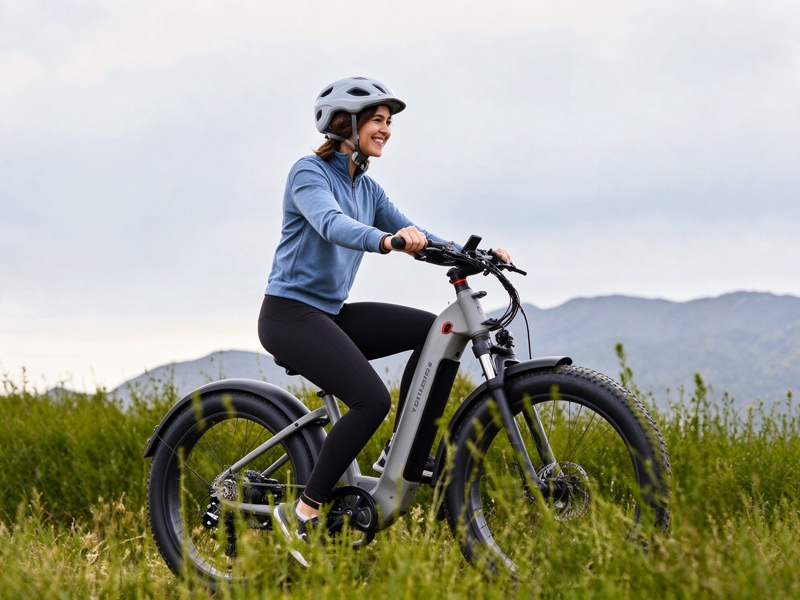
The store is friction-tuned for the hesitant: free shipping over thirty-five dollars, fifty-day returns, Affirm financing from nineteen dollars a month, live chat through Gorgias, and a find-us-in-store map for shoppers who want to touch the merchandise before the box arrives. The review wall — more than twenty thousand five-star ratings served through Okendo — does the trust work of a showroom, and the newsletter and Rebuy-fueled cart recovery do the rest. For a value brand, the store machinery is surprisingly premium.
Reading the Warranty Staircase by Category
The fine print varies by category, and the staircase matters. Inflatable paddleboards carry two years. E-bikes carry one year on the frame, two on the battery, and just six months on other parts — the window most likely to catch a controller or display failure — while standard pedal bikes carry a year against defects. Wear items and the damage of assembly errors fall outside all of it. The coverage is fair for the price points but asymmetric: the more complex the product, the thinner the protection on exactly the components that fail.
No Dealers Means You Are the Mechanic
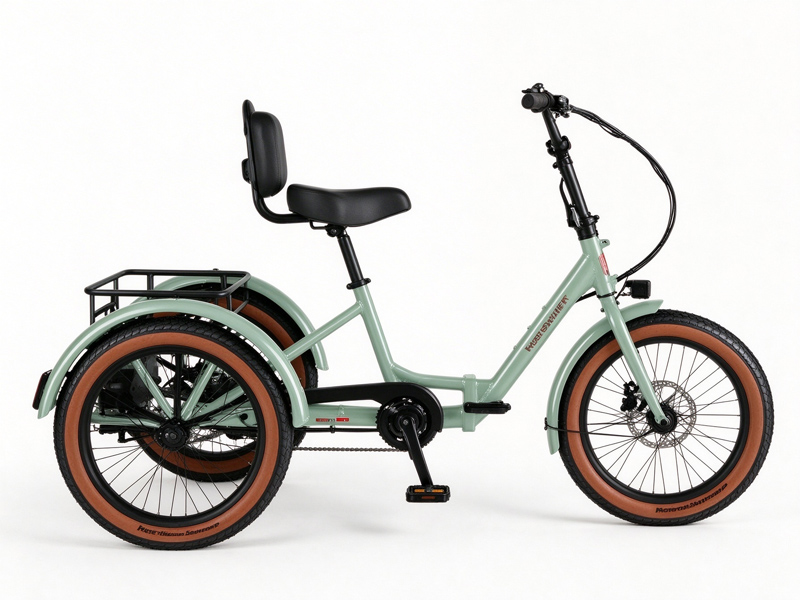
Retrospec's distribution model cuts the dealer network out, which cuts both ways. There is no local shop obligated to work on your Valen e-bike when it misbehaves; the forums note the hub motors are generic MXUS units — serviceable and parts-available, but you are the project manager of your own repair, coordinating with Retrospec by email and chat for parts. When the company responds, owners report reasonable outcomes; the BBB file includes a damaged-on-arrival case resolved via Twitter and a fifty-percent restocking-fee dispute that was refunded after confusion over a prior policy. Responsive, but self-serve.
What the Complaint File Actually Says
The complaint file is what you'd expect from a volume value brand, and it deserves the same weight as the photography. Trustpilot reviewers range from delighted — beach cruisers praised as perfect for boardwalk duty — to blunt: one e-bike buyer summarized the experience as "they sent me a 15 percent refund, but overall, the bike is meh." Long-term owners mention rust appearing quickly on coastal bikes, occasional squeaks from budget bearings, and packaging that occasionally lets a heavy box arrive scuffed. The fifty-percent restocking fee on assembled e-bike returns, even when disclosed, stings on a nine-hundred-dollar purchase. None of these are scandalous at these prices; all of them are the invoice for the discount.
Who Should Ride Away With What
Retrospec is the everything-outdoors store executed with unusual discipline: a real compliance story, category-leading prices, a fifty-day trial, and photography that makes a budget bike look like a lifestyle. What you accept is the self-serve ownership model — generic motors, six-month electrical coverage, restocking fees on returns, and quality that ranges from pleasantly surprising to accurately meh. Buy the paddleboard or the beach cruiser without hesitation; buy the e-bike with eyes open about who will be holding the wrench.