State bicycle co., full tilt: how a fixie startup became arizona's bike lab

Official homepage: https://statebicycle.com
Cycling stores usually choose an audience: racers, commuters, or collectors. State Bicycle Co. chose a price point. In 2009, brothers Mehdi and Reza Farsi — Arizona riders who believed a beautiful, functional bike should not require a credit application — started selling fixed-gear and single-speed bicycles at prices the boutique brands of the era treated as impossible. Sixteen years later the company has become something larger than its origin: a design lab that treats bikes as canvases, a Shopify Plus case study with a five-hundred-percent revenue jump behind it, and the maker of some of the most recognizable limited-edition bicycles in the world — Wu-Tang Clan editions, Simpsons frames, and, on the current homepage, a full National Football League collaboration pairing team-color bikes with matching cycling caps. I went through the lineup, the builder, and the warranty fine print. Here is the store across its dimensions.
Two Brothers and a Track Stand
The founding thesis was accessibility, not minimalism for its own sake: strip a bike to what a city rider actually uses — one gear, a steel frame, reliable brakes — and pass the savings forward. The philosophy on the site today still says it plainly: rider-developed means never losing sight of why people ride, which is the fun of it. The brand grew up inside fixed-gear criterium culture — the Red Hook-era race scene — which explains both the geometry and the attitude, and its Tempe roots still show in warehouse-sale culture and a phone number that a human answers.
The Core-Line Economics
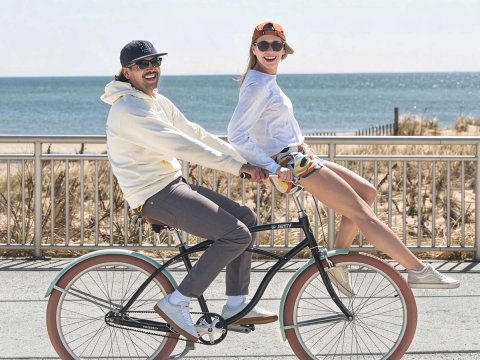
The entry point is the Core-Line at $399.99: a hi-ten steel frame with a flip-flop rear hub that converts between fixed gear and single speed in the time it takes to flip a wheel, Deep V wheelsets, front and rear caliper brakes, and rack mounts that most fixies omit. The professional verdict is consistent — value rated A across design, components, handling, and price — with one honest asterisk: the contact points where cost was cut are the ones your body touches, and reviewers recommend budgeting for better grips, saddle, and pedals on day one. The Core-Line is not a race bike; it is a fashionable, durable city machine that happens to cost less than a monthly car payment.
The Collab Machine
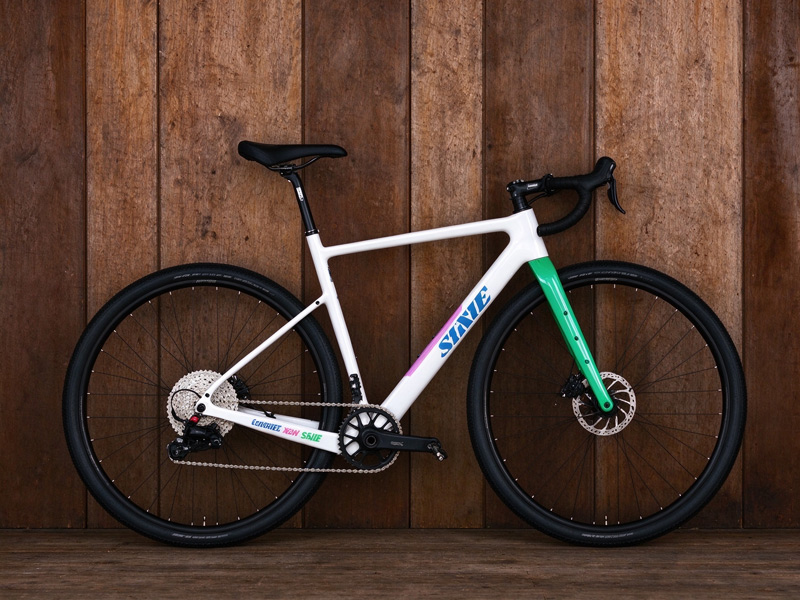
Where State truly differs from every value bike brand is its licensing operation. The Wu-Tang Clan collaboration — complete with 36 Chambers colorways — and The Simpsons collection became collector objects that resell above retail, and the current NFL series wraps licensed team graphics across bikes and caps in a move that treats a $400 bicycle the way sneaker brands treat drops. Limited editions sell out on scarcity mechanics, email lists are built on drop alerts, and the collab calendar keeps the catalog culturally current in a way component specs never could.
Build Your Own on Shopify Plus
The storefront itself is a Shopify Plus showcase. After migrating off Volusion, State built a configurator — powered by Bold Product Options, Klaviyo, and ViralSweep — that lets shoppers spec handlebars, saddles, lights, and pedals across thousands of SKUs and watch the bike build in real time. The platform's own case study credits the rebuild with a 500 percent increase in web revenue, a 59 percent jump in average order value, and 2.5 times the traffic, with product reviews and ask-a-question features carrying the confidence work that a test ride used to. A European storefront extends the operation overseas.
The Warranty-Assembly Nexus
Here is the fine print that deserves a careful read. Every frame carries a five-year warranty — impressive at the price — but the warranty activates only when you submit proof of professional assembly, because complete bikes ship roughly ninety percent assembled with no tools and no assembly guide in the box. That means the true cost of a Core-Line is the bike plus fifty to a hundred dollars at a local shop, and skipping the mechanic voids the frame coverage. Returns run thirty days with a pre-paid-label option that deducts $45 for a bike from the refund; a Package Protection add-on at checkout upgrades the window to sixty days and covers loss or damage in transit — a convenience some reviewers read as a toll booth on a fair policy. Parts carry one year, and the company's Assisted Replacement program softens crash damage at a discount.
The Honest Ledger
The critique file, assembled. The stock grips, saddle, and pedals are the budget showing. The box contains no instructions and no Allen key, so the first hour with your new bike is a YouTube tutorial. The assembly requirement, while defensible for safety and liability, adds a hidden line item the sticker price does not mention, and the $45 bike return fee stings on a $400 product. Some items are final sale, and colors you fall for online occasionally arrive as pre-orders with real lead times. None of this negates the value; all of it belongs in the true-cost math.
One Last Lap
State Bicycle Co. is the rare store that never abandoned its founding price point while growing everything around it — a $399 steel fixie that reviews rate A for value, a configurator that made customization the business model, collabs that turned commuters into collectors, and a five-year frame warranty that a fifty-dollar shop visit unlocks. Buy the Core-Line, upgrade the three contact points, let a mechanic sign the warranty card, and take the long way home — the brand's best argument has always been the ride itself.