The pull tab that put froth in a can: la colombe's philadelphia invention story
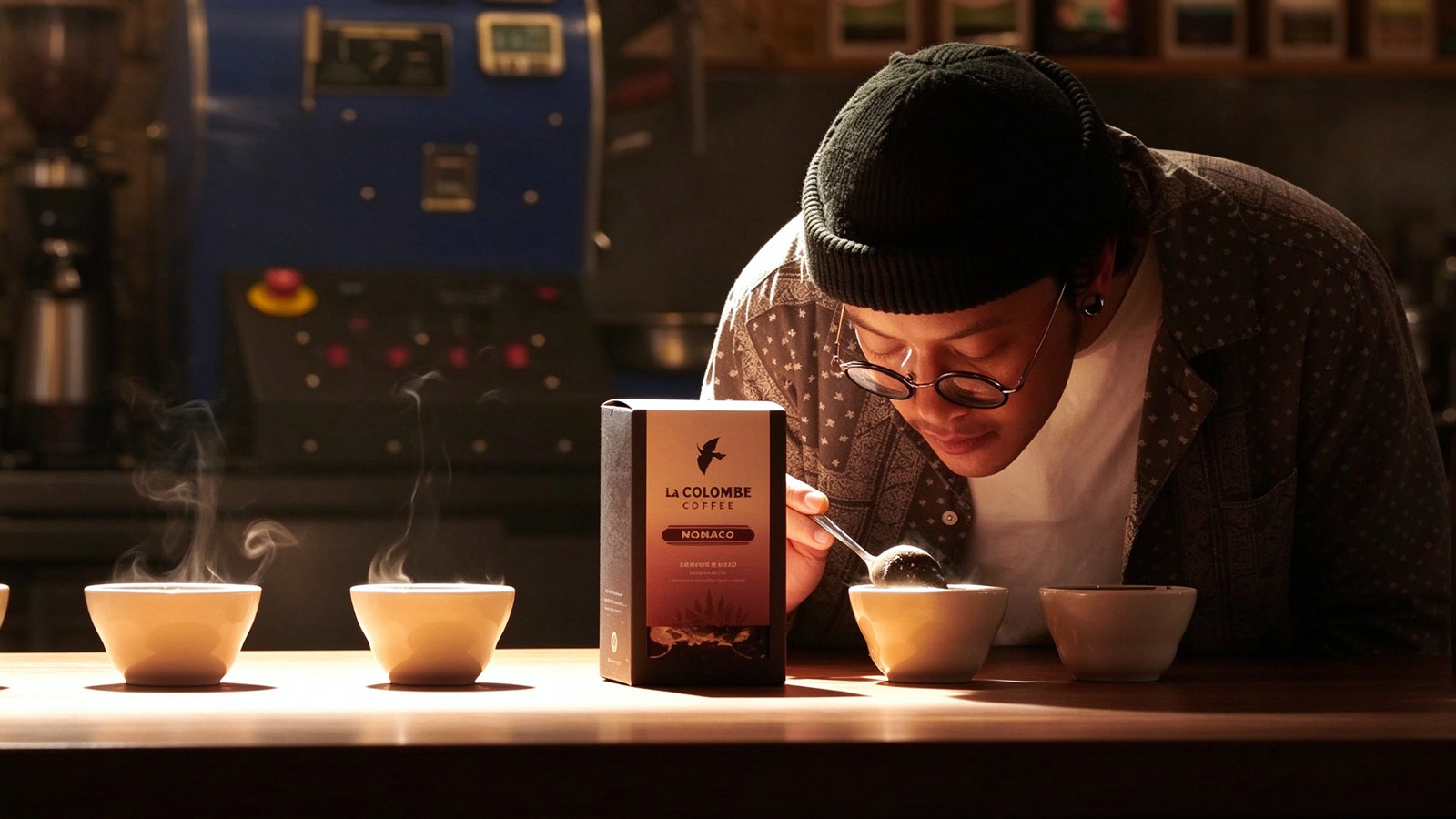
Official homepage: https://www.lacolombe.com
Some coffee brands are roasted; La Colombe was engineered. Founded in Philadelphia in 1994 by Todd Carmichael and Jean-Philippe Iberti — and named after a bed-and-breakfast in Iberti's hometown in France — the company spent two decades as a respected café roaster before a single mechanical idea changed its trajectory: a can with a valve that releases nitrogen and nitrous oxide when you pull the tab, pouring a latte with real microfoam. The Draft Latte made La Colombe a national grocery brand, attracted a $300 million Keurig Dr Pepper investment, and ended in a $900 million acquisition by Chobani in December 2023. This review evaluates the store behind the can.
A French Name on a Philadelphia Corner Since 1994
The founding pairing reads like a screenplay. Jean-Philippe Iberti left flight school in Seattle for a barista job at the city's top roaster in 1987; Todd Carmichael was a coffee obsessive with a roaster's instinct. In 1994 they opened their first café near Philadelphia's Rittenhouse Square, naming it after a bed-and-breakfast in Iberti's native France. For twenty years that was the whole story — a growing string of respected cafés in Philadelphia, New York, and Chicago, roasting well-sourced coffee and building the kind of local loyalty that does not make headlines. The store's heritage section still leans on this era, and rightly so: everything that followed was built on café credibility, not on grocery distribution.
Nitrous Oxide Solved the Iced Latte's Oldest Problem
The pivotal invention arrived in two stages. In 2015, frustrated that iced lattes tasted watered-down, Carmichael built a café draft system that infused cold-pressed espresso and milk with nitrous oxide from a keg, recreating the airy texture of freshly steamed milk over ice. A year later the team miniaturized the trick: a special can with a valve in its base that releases a nitrogen-and-nitrous blend when the tab is pulled, so the first sip pours with genuine microfoam. The Draft Latte became a modern Philadelphia icon — the local press ranks it among the city's most defining foods — and effectively created the textured canned latte category that every major coffee brand now imitates.
The Yogurt Billionaire Who Wouldn't Let Go
The ownership story is unusual enough to deserve its own paragraph. Hamdi Ulukaya, the Turkish-born founder of Chobani, bought a majority stake in La Colombe as early as 2015 — reportedly paying roughly twice the going rate to keep the brand out of more aggressive hands, and vowing he would never sell it to anyone else. In August 2023, Keurig Dr Pepper bought in for $300 million, taking a 33 percent stake and signing on as the RTD line's national distributor. Four months later, Chobani acquired La Colombe outright for $900 million, converting KDP's stake into Chobani equity and keeping the existing management in place. The deal valued La Colombe at about 2.7 times its $333 million in revenue — a strong endorsement of the canned latte thesis.
Shelf Reality: Lower Sugar, Lactose-Free, and Expanding Fast
Under Chobani, the product has been quietly re-engineered rather than merely distributed. In 2024 the canned lattes were reformulated around lactose-free whole milk — closer to what cafés actually use — which let the brand cut added sugar dramatically, landing around 13 grams per serving versus roughly 28–33 grams in typical flavored RTD coffees. The strategy is working: the company says its RTD business has been doubling year over year, and in March 2026 Chobani announced a $567 million expansion of the La Colombe plant in Norton Shores, Michigan, to keep pace with demand. September 2026 brought the line's first non-coffee extension — a canned matcha latte riding 188 percent growth in the café's matcha sales since 2023. Seasonal drops like Strawberry Mocha and Pumpkin Spice keep the fridge section novel, a cadence smaller roasters cannot match.
The Store Sells the Café, the Can, and the Cause
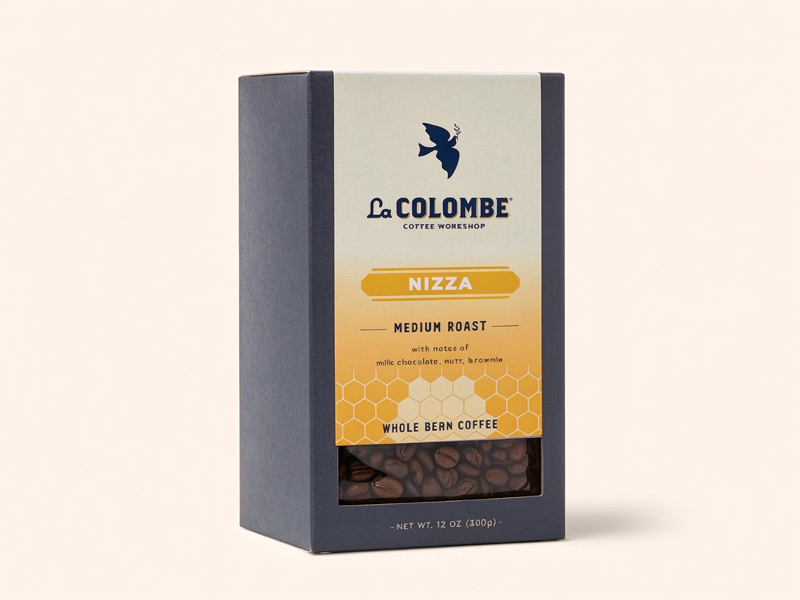
The Shopify storefront mirrors the brand's three identities. Whole-bean and ground coffee — including single origins from Ethiopia and Colombia — anchor the top of the catalog, with a Workshop subscription that rotates a seasonal pick chosen by the company's roast team. The Draft Latte family, multi-serve cold brew, and the newer matcha cans dominate the middle, sold in variety packs that function as discovery flights. Around the edges sit the brand's cause-driven muscle memory: the Lyon roast created with the ACLU in 2020 directing proceeds to the organization, and hospitality partnerships like American Airlines' Admirals Club lounges. For a store owned by a yogurt company, it still reads unmistakably like a roaster's shop.
The Honest Caveats Before You Stock the Fridge
The Draft Latte magic comes with fine print. The cans are perishable and refrigerated, so shipping costs are real and delivery windows matter — a structural disadvantage against shelf-stable competitors. Canned lattes run 9–13 grams of sugar even after the reduction, enough to give strict sugar-avoiders pause. Café drinkers note that the reformulated, gentler recipe trades some of the original's intensity for accessibility. And with KDP distributing nationwide, buyers in major metro areas will often find the same cans cheaper at a local grocery than on the website, which blunts the direct-store value proposition. None of this undercuts the invention — but it defines where buying direct makes sense.
An Engineering Story That Happens to Sell Coffee
What distinguishes the La Colombe storefront from every other roaster's is that its flagship product is a piece of packaging physics. The can, the valve, the nitrous, the reformulation, the half-billion-dollar plant expansion — each is an engineering decision with a coffee brand wrapped around it. Buyers who want café-grade whole beans get a serious roaster with thirty years of heritage; buyers who want a latte without a machine get the invention that started the category. Few stores on Shopify serve both masters this convincingly.