The honey hair oil from a dutch bee garden that conquered sephora
Official homepage: https://gisou.com
Gisou turned a family kitchen recipe into one of the most recognizable haircare brands of the social media age.
The name is Persian for women's hair, and the product inside the bottle is honey — from a bee garden in the Netherlands that a family has tended across six generations. When Dutch-Iranian influencer Negin Mirsalehi launched Gisou in 2015 with a single hair oil based on her hairdresser mother's homemade formula, she was betting that an audience asking about her glossy waves would follow her into e-commerce. This review traces the brand from family bee garden to Sephora shelves, examines the bee-first sourcing philosophy, and weighs whether the honey premium buys performance or mostly storytelling.
A Mother Experiments in the Kitchen
The formula predates the brand by two decades. Mirsalehi's father, a sixth-generation beekeeper, emigrated from Iran to the Netherlands and started his own bee garden there — the Mirsalehi Bee Garden that still supplies the company today. Her mother, a hairdresser by trade, was unimpressed with the beauty products available in their new country and began experimenting in the kitchen, mixing her husband's honey into hair treatments for herself and her daughters.
The experiment that survived was a honey-infused oil — the one product Mirsalehi says she used consistently her entire life. When she later bottled it, the ingredient list expanded beyond the kitchen version — honey blended with coconut, almond, and argan oils — but the family recipe remained the founding claim, and the bee garden remained the supply source.
An Influencer Audiences Actually Asked
Mirsalehi joined Instagram in 2012 as a graduate student, one of the platform's earliest fashion bloggers. By the mid-2010s she had millions of followers, and the questions she fielded most were not about her outfits — they were about her hair. When she finally shared the bee garden story in 2014, the response convinced her the demand was real.
She and her partner Maurits Stibbe, both of whom had left corporate careers, launched Gisou the following year. The sequencing mattered commercially: the audience arrived before the product, so the store opened with demand already banked. Private equity firm Vaultier7 invested several million euros in 2020, and the brand has since expanded well beyond the original oil into masks, leave-ins, hair perfume, body care, and the viral lip oils. Critics of influencer brands get a fair hearing here, but a decade of survival past the trend cycle suggests this one outgrew its founding funnel.
Only Ever the Bees' Surplus Honey
The sourcing story is unusually specific, and that specificity is the brand's ethical spine. The company states it harvests only surplus honey from the Mirsalehi Bee Garden — never more than the colony can spare — under cruelty-free practices, with bee wellbeing stated as the top priority. Mirsalehi herself is an active beekeeper who supports her father's operation.
Independent reviewers have raised the fair question of whether single-origin honey is provably superior for hair — the honest answer is that the evidence is mostly traditional and anecdotal, since honey's humectant and amino-acid benefits are real but not exclusive to one garden. Buyers are partly purchasing a traceable, audited supply chain and a bee-welfare commitment, which is worth something concrete even if the cosmetic delta over quality honey generally is unproven.
One Oil Carries the Whole Brand
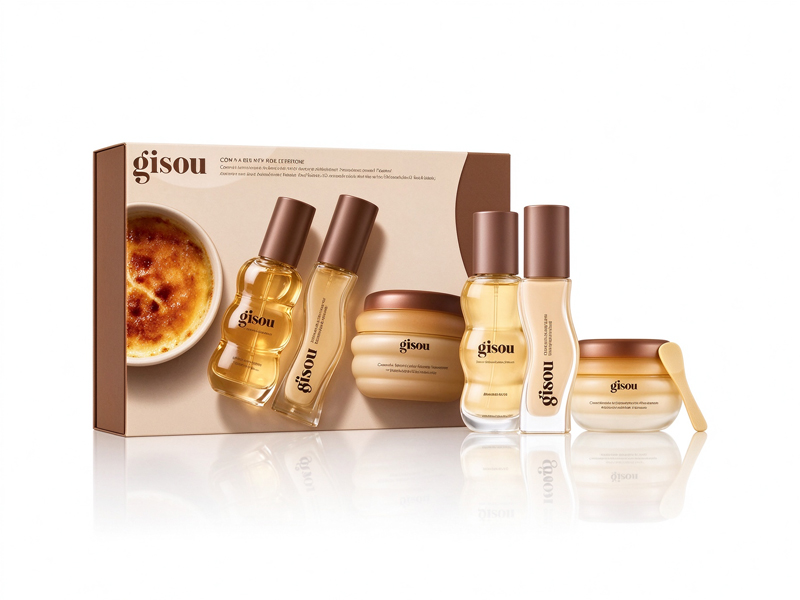
The Honey Infused Hair Oil remains the flagship a decade in — the product whose golden drizzle and honeycomb packaging became one of social media's most shared beauty images. Its job description is broad: smoothing, shine, frizz control, split-end softening, overnight treatment. Multi-use positioning is both the product's strength and the source of the main complaint — users with fine or easily weighed-down hair report that a full dropper is far too much, and the brand's own overnight instructions differentiate dropper counts by hair type for exactly this reason.
The rest of the honey-infused range follows the same logic — wash, mask, leave-in, perfume — building a routine rather than a one-off purchase. Styling-specific items like the finishing products round out the shelf, keeping the store inside the Hair Styling territory rather than drifting into pure care.
The Viral Fridge and $8.8 Million
The brand's marketing engine deserves examination because it is the actual business model. In 2024, Gisou promoted its tinted lip oil launch by gifting influencers a branded mini fridge stocked with fruit and products — the so-called girl fridge. Mirsalehi's own post earned fourteen million views, and the eleven-day campaign generated a reported $8.8 million in earned media value and 140,000 new followers.
That machine converts community into distribution power that retailers notice. It also invites the standard skepticism about influencer-led commerce: impressive reach, modest independent verification. The fair summary is that Gisou's marketing is genuinely creative — the 2024 bee garden invitation event, where community members visited the Amsterdam garden in person, blurred content and product development elegantly — while remaining, at bottom, influence.
From Sephora Debut to Global Shelves
Retail expansion followed the audience's geography. After launching direct in 2015, Gisou debuted in Sephora North America in 2020, reached Sephora UK in 2023, and picked up Selfridges, Space NK, and Mecca along the way — a prestige-retail orbit that validates the luxury positioning while keeping the Shopify store as the full-catalog home.
For buyers, the omnichannel reality is convenient: samples and shade checks in store, bundles and exclusives direct. International availability has widened steadily, though some regional exclusives and launches still arrive first in North America, and import pricing elsewhere can add meaningfully to the sticker.
Luxury Pricing and the Fine-Hair Caveat
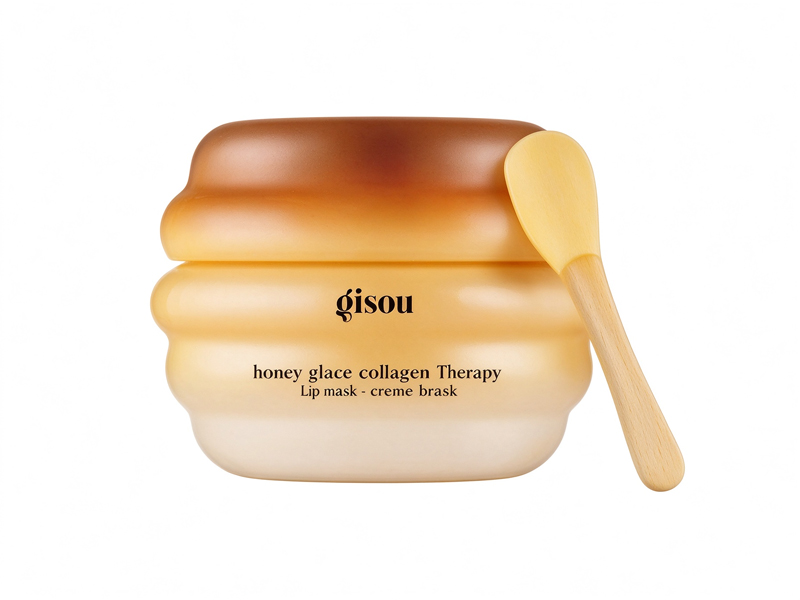
The honest performance section must start with price. Gisou sits firmly in prestige territory — the hero oil costs more than a week of groceries, and building a full wash-care-style routine multiplies that quickly. The packaging is genuinely beautiful and giftable, the scent is a signature people buy on purpose, and the formulas perform well for shine and softness in the large majority of published reviews.
The recurring complaints deserve equal weight: the richness can overwhelm fine hair, the fragrance is polarizing for the scent-sensitive, and the bee-garden claims, while beautifully documented as sourcing, are not independently proven to outperform quality honey generally. None of this is disqualifying; all of it belongs in the decision.
Bees as Brand Ambassadors, Not Mascots
What separates Gisou from wellness brands that borrow nature aesthetics is the physical reality of the bee garden. The Glossy 50 profile that recognized Mirsalehi in 2024 described a brand born of a mission to protect bees and their environment, and the company opens the garden to its community — an unusual transparency play that lets customers stand where their ingredient comes from.
The sustainability framing extends to cruelty-free production and the surplus-harvest rule, though the brand, like most prestige beauty, still ships glass and plastic globally. For the buyer who weighs provenance heavily, the bee garden is the most visitable origin story in the aisle.
Who Should Drizzle Honey on Hair
The Gisou customer is typically a beauty-fluent shopper — often arriving through social content — who wants shine, softness, and ritual, and who values packaging and provenance alongside performance. Thick, dry, or frizz-prone hair responds best to the richer formulas; fine-haired buyers should start with the lightest products and the smallest sizes.
The verdict after a decade: Gisou converted six generations of beekeeping and one kitchen experiment into a prestige brand with real retail legitimacy, and it did so without surrendering the supply chain story that made it distinctive. The honey premium buys traceability, aesthetics, and very good shine — buyers who want laboratory-proven superiority over cheaper oils should look to actives-focused brands instead.