I didn't give my seat away: how mielle's nurse-founder built a nine-figure brand
Official homepage: https://mielleorganics.com
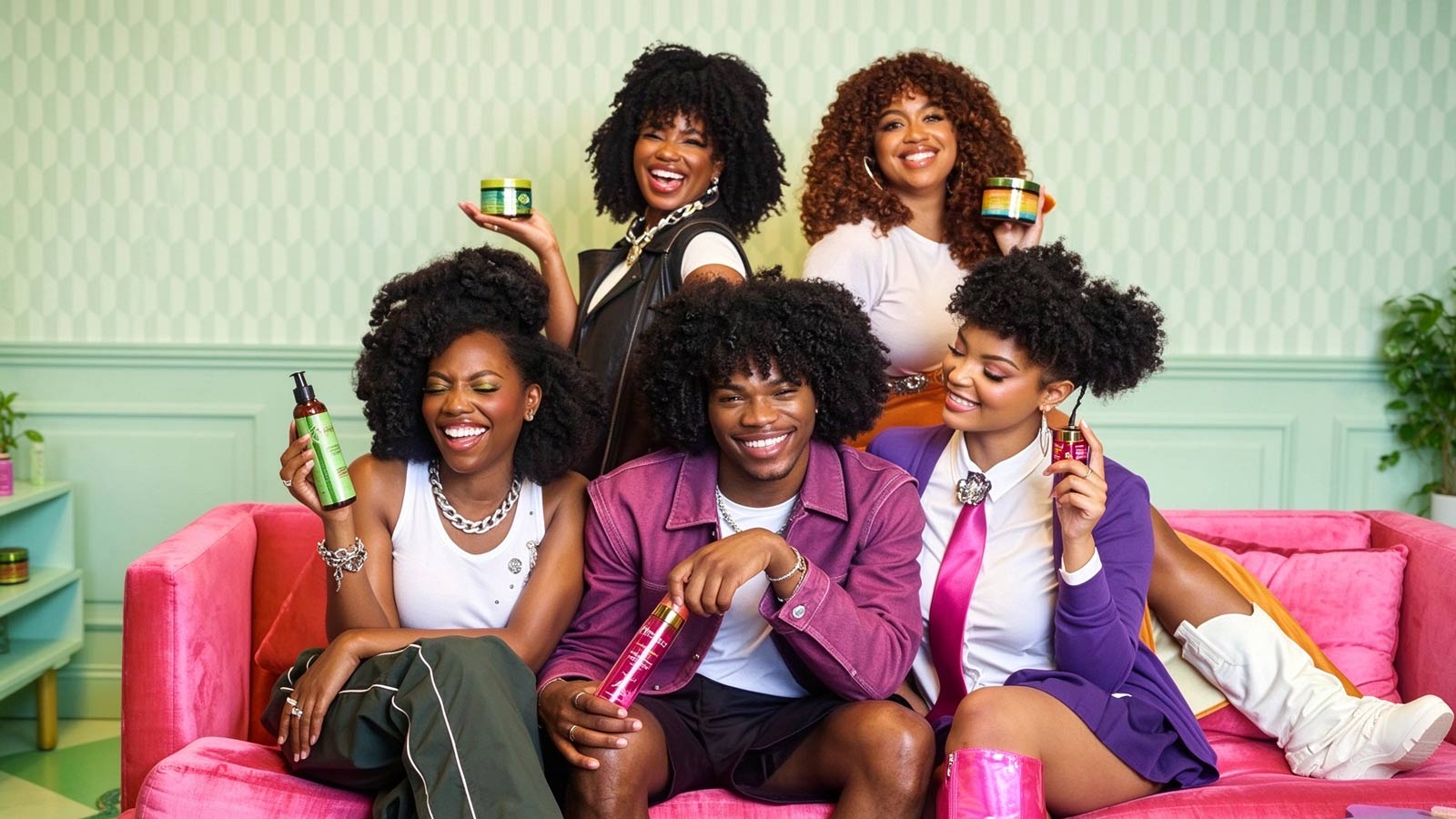
Monique Rodriguez launched Mielle Organics in 2014 with 100 bottles of a homemade product mixed in her kitchen. A labor and delivery nurse from Chicago's South Side, she had turned to hair care to process the devastating loss of her infant son, and the online community that gathered around her recipes became her first customers. Nine years later, Procter & Gamble acquired the brand in the largest exit ever for a Black female beauty founder — and Rodriguez negotiated to stay on as CEO. Today Mielle sits in more than 100,000 stores across 90 countries, including a landmark partnership as the NFL's first official textured hair care partner.
Grief in the Kitchen Became a Business Plan
The founding story is inseparable from tragedy. In 2013, eight months pregnant with her third child, Rodriguez suffered a uterine rupture tied to the vertical scar from a previous emergency C-section. Her son Milan was born without brain activity and died months later. Returning to work as a nurse with no time to grieve, she channeled her energy into the thing she had always loved — hair. Growing up, her mother made homemade treatments, and Rodriguez began mixing her own concoctions and posting her natural hair journey online. Black women embracing their curls gravitated to her recipes and her candor. Encouraged by that community, she bottled her first product in 2014, launching with just 100 units while still working shifts at the University of Chicago hospital.
A Nurse's Discipline Applied to Payroll
Rodriguez has described her nursing years as the unlikely business school that made Mielle possible. High-risk labor and delivery taught her to stay calm under pressure, to act on incomplete information, and to care for people before herself — a mindset she applied literally, paying employees before paying herself. She and her husband Melvin, who came from logistics and computer science, bootstrapped the company for six to seven years, at one point carrying two to three million dollars in debt. When Walmart came knocking early, she turned the retail giant away, knowing her infrastructure was not ready — a patience rare among fast-growing indie brands, and one that likely saved the company.
Rosemary Mint Oil, a $10 Phenomenon
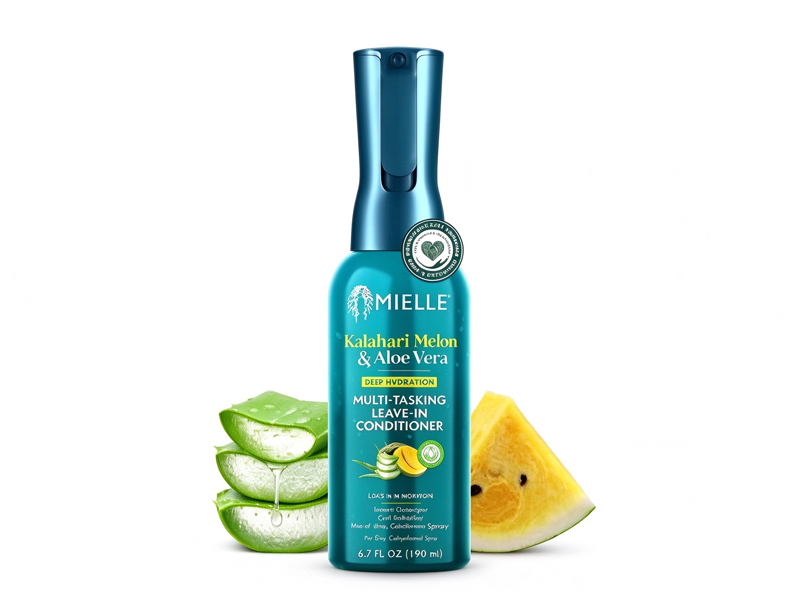
Mielle's breakout hero is disarmingly simple: the Rosemary Mint Strengthening Hair Oil, a biotin-infused blend priced around $10. In late 2022, TikTok creator Alix Earle recommended it to her millions of followers, and the product went viral, selling out nationwide. The moment made Mielle a household name — and exposed the tension that defines the brand's public life. Longtime customers who had relied on the oil for years suddenly could not find it, and many bristled at the new mainstream attention. It was the first time the broader public noticed what the textured hair community had quietly built, and not everyone welcomed the crowd.
The Exit That Split the Community
In January 2023, weeks after the viral moment, Rodriguez sold Mielle to Procter & Gamble. The deal made history as the largest exit for a Black female beauty founder — and triggered immediate backlash. Some customers called her a sellout, echoing fears rooted in precedents like Shea Moisture's post-acquisition changes. Rodriguez's response became a defining quote of her public persona: "I didn't give my seat away. I took my seat with me." She negotiated her continued role as CEO, and in the years since the acquisition the brand has expanded into over 10,000 additional retail doors across 90 countries, landed HBCU partnerships, and she has said the fear of reformulation was unfounded — the formulas never changed.
Rumors Tested the Brand's Community Armor
In 2024, the brand faced its hardest test: viral TikTok videos claimed hair loss from the Rosemary Mint Oil and shampoo. Rodriguez responded directly, stating the ingredients were unchanged and no litigation existed, and later alleged that a competitor had paid an influencer to spread misinformation. The episode cut deep precisely because Mielle's moat is emotional co-ownership — customers who feel they helped build the brand defend it fiercely, and in this case many did, even as others stayed skeptical. For a review-minded shopper, the takeaway is the brand's unusual transparency: the CEO addresses controversy head-on rather than hiding behind press statements, and the products carry dermatologist-tested claims with a decade of community testimony behind them.
Ten Collections Cover the Texture Spectrum
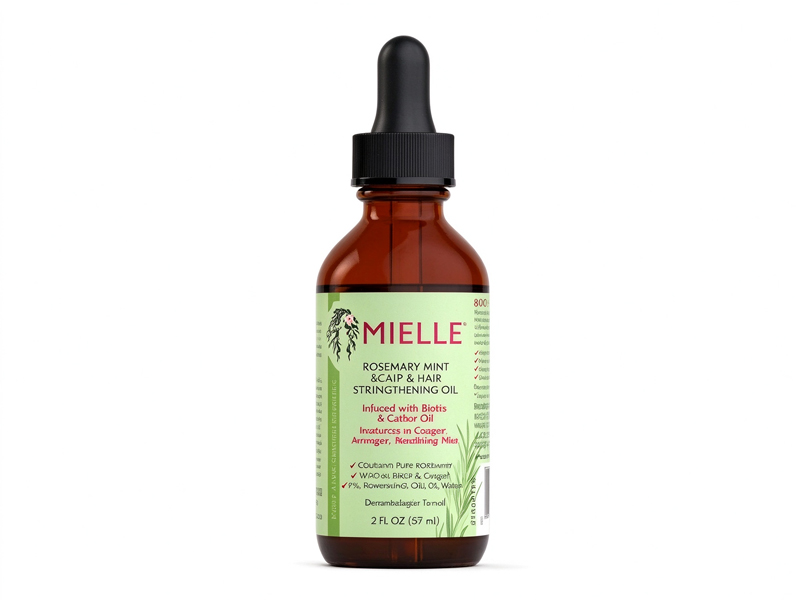
The product architecture is built on the insight that "textured hair has no specific culture, race, or ethnicity" — a deliberately inclusive framing in a category often sliced by ethnicity. Ten collections address hair needs across the spectrum: the flagship Rosemary Mint line for strengthening and growth, the Pomegranate & Honey collection for type 4 coils, plus ranges for moisture, protein repair, children's hair, and edges. Price points sit at mass-accessible levels — most products run $10 to $15 — a deliberate choice from a founder who wanted effective textured hair care that did not break the bank, and a key reason the brand scales across Walmart, Target, CVS, and Ulta alike.
Mielle Cares and the Seat She Kept
The acquisition did not end the founder story; it funded its next chapters. Rodriguez launched Mielle Cares, the brand's nonprofit arm, wrote a bestselling memoir ("The Glory in Your Story," 2025), joined advisory boards including Hope Chicago and Building Better Futures, announced an investment fund to back fellow founders, partnered with the CFDA on a scholarship for designers of color, and even opened a luxury fitness club, Wind Athltx. In late 2025, Mielle became the NFL's first official textured hair care partner, putting its products in locker rooms. Each move follows the same logic as the P&G deal: keep the seat, then use it to open doors.
Drugstore Price, Global Shelf
What makes Mielle's store worth evaluating on its own is the economics. This is a brand that sells $10 oils alongside prestige competitors at $30, reaches over 100,000 retail doors in 90 countries, and routes most of its volume through mass retail rather than DTC. The Shopify store functions as the brand's direct community hub — bundles, subscriptions, and restock alerts for viral heroes — while the shelf presence does the heavy lifting. For textured hair consumers historically underserved by both drugstore and prestige aisles, Mielle is arguably the category's defining proof that the mass market can serve this community well when the community itself holds the pen.