The black cat of broadway: how intelligentsia put chicago on coffee's map
Official homepage: https://www.intelligentsiacoffee.com
If Stumptown gave third-wave coffee its lumberjack uniform, Intelligentsia gave it its laboratory. Founded in Chicago in 1995 by Doug Zell and Emily Mange — two former university administrators who traded fundraising for a coffee roaster — Intelligentsia pioneered two ideas that now sound like common sense: coffee should be treated as a seasonal agricultural product, and roasters should buy directly from farmers at prices set by quality, not commodity markets. Its Black Cat espresso became a standard by which American espresso was judged. This review walks the store of the quietest member of the founding third-wave trio.
Two Administrators Traded Careers for a Broadway Coffee Bar
The founding story is refreshingly unromantic. Doug Zell and Emily Mange left university administration in the mid-1990s and opened a café on Broadway in Chicago's Lakeview neighborhood in 1995, roasting beans in the back because no one else in town was doing it to their standard. There was no master plan — just a conviction that coffee in America was being roasted too dark, sold too stale, and explained too little. What the pair lacked in coffee-industry experience they made up for in systems thinking, approaching sourcing and roasting with the rigor of people who used to run institutions. That institutional DNA still shows on the storefront, where product pages read like specification sheets for flavor.
Coffee as Produce: The In-Season Rule Nobody Followed
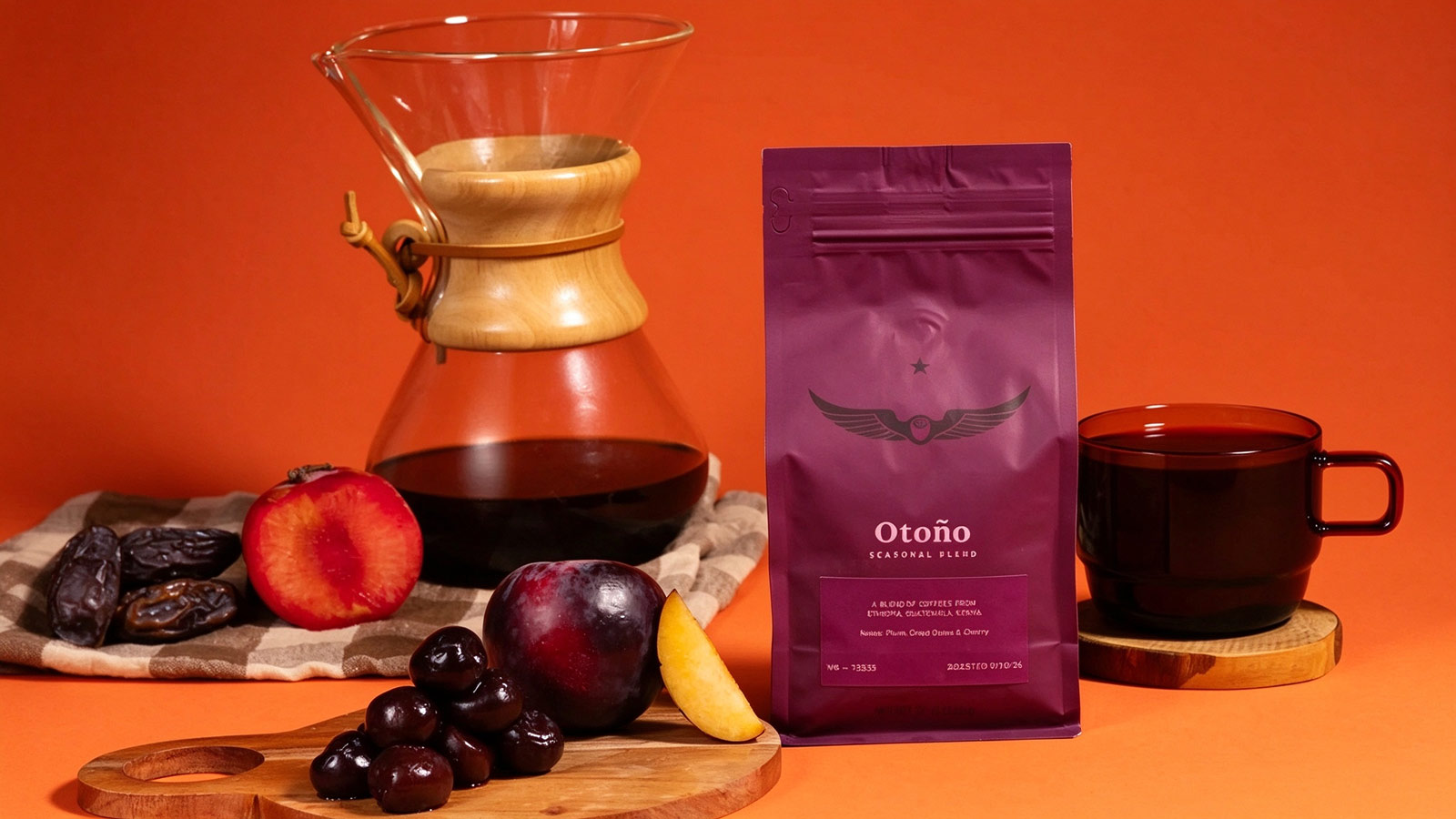
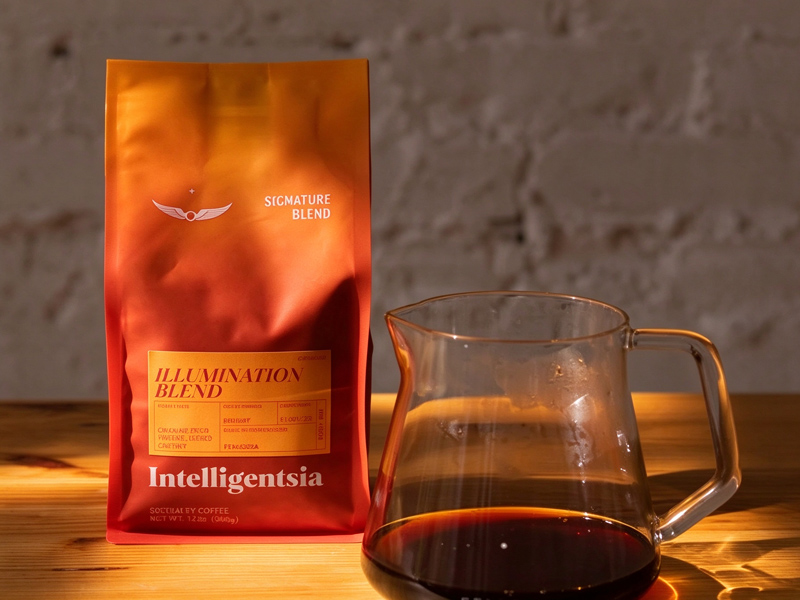
Intelligentsia's most consequential idea was also its simplest: treat coffee like produce. Beginning in the early 2000s, the company committed to selling coffees only while they were in season — buying at harvest, shipping by the freshest route, and pulling a coffee from the catalog when its lot was spent rather than blending around fading beans. At the time, selling out of a coffee on purpose was commercial heresy; today, seasonal rotation is table stakes for serious roasters. The store still enforces the philosophy in its catalog structure, where rotating single origins carry harvest context and the subscription program — organized around a "Frequency" blend family — is built to move with the crop calendar rather than against it.
Black Cat Set the Benchmark for American Espresso
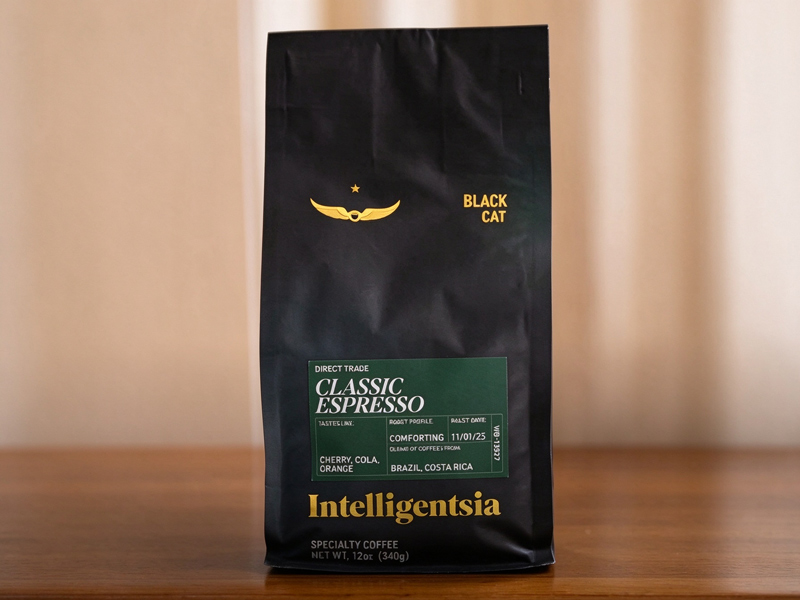
Ask a Chicago barista what espresso tasted like before Black Cat and you will get a grimace. Introduced in 2001 as the house espresso for a market that had never taken the drink seriously, the Black Cat blend — and the Black Cat Project research program behind it — treated espresso as an engineering problem: controlled extraction, standardized recipes, and a blend engineered for sweetness and balance rather than raw intensity. It worked well enough that cafés far beyond Chicago built their programs around it, and the blend remains the anchor of the online catalog decades later. A flagship that survives twenty-five years of fashion changes is not a flavor; it is a reference point.
The Training Room Produced a Generation of Champions
Intelligentsia's influence runs through competition results more than through marketing. The company's barista training program produced the 2008 United States Barista Champion and, the following year, the World Barista Champion — titles won on Intelligentsia coffee by competitors the company trained, using techniques the company refined. Alumni of that program went on to found and lead some of America's most respected coffee companies, meaning the store's true product may have been education all along. Buyers browsing the site today benefit from the residue: brewing guides and extraction advice that read like a syllabus rather than an afterthought.
Corporate Ownership Arrived Quietly in 2015
Like its Portland peer, Intelligentsia ended its independent era in 2015, selling to Peet's Coffee as part of the same JAB Holding-backed transaction wave that consolidated much of the founding third wave under one Luxembourg roof. A decade later, the practical consequences for shoppers are muted: the roasting works continue, the direct-trade relationships persist, and the catalog still rotates on the in-season calendar. The intangible losses are real but hard to price — the founder-era experimental energy, the sense that buying here funded a counterculture rather than a conglomerate's portfolio. The store, notably, does not dwell on this history at all.
The Store Organizes Itself Like a Syllabus
Browsing the catalog feels like auditing a course. Coffee is sorted by Frequency — the daily-driver blends — and by single origin, with each origin page carrying farm, variety, and harvest detail. The subscription builder lets buyers choose their cadence and switch between blends and rotating origins, and seasonal releases drop with the harvest rather than the marketing calendar. Around the coffee sit the tools of the craft: the company's own brewing equipment and a deep library of brew guides. For shoppers who want their coffee purchase to come with an education, this remains the most professorial store in specialty coffee.
The Honest Caveats Before You Enroll
The rigor cuts both ways. Seasonal rotation means beloved origins vanish from the catalog when the harvest ends — a feature of the philosophy, but a frustration for subscribers who fall in love with one coffee. The flavor-first sourcing skews toward lighter, brighter cups that can read as sharp to drinkers raised on medium and dark roasts. Pricing sits at the premium tier, and subscriptions deliver modest rather than dramatic savings. And the 2015 acquisition means the counterculture story is now partly a portfolio asset, which purists will weigh against the genuinely excellent sourcing. None of these are defects; all of them are the price of the standards the store helped invent.
The Founding Trio Has One Quiet Member Left to Know
Stumptown supplied the mythology, its California peer supplied the scale, and Intelligentsia supplied the method — the seasonal calendar, the quality-priced contracts, the extraction science. The store that survives today is the most faithful to that original method: a catalog that rotates with the harvest, a flagship espresso that still sets expectations, and brewing guidance written by people who trained a generation of champions. It is the least loud member of the founding trio, which is precisely why it still sounds like the beginning of the conversation.