Take your time: the four-step ritual that made crown affair a sephora darling
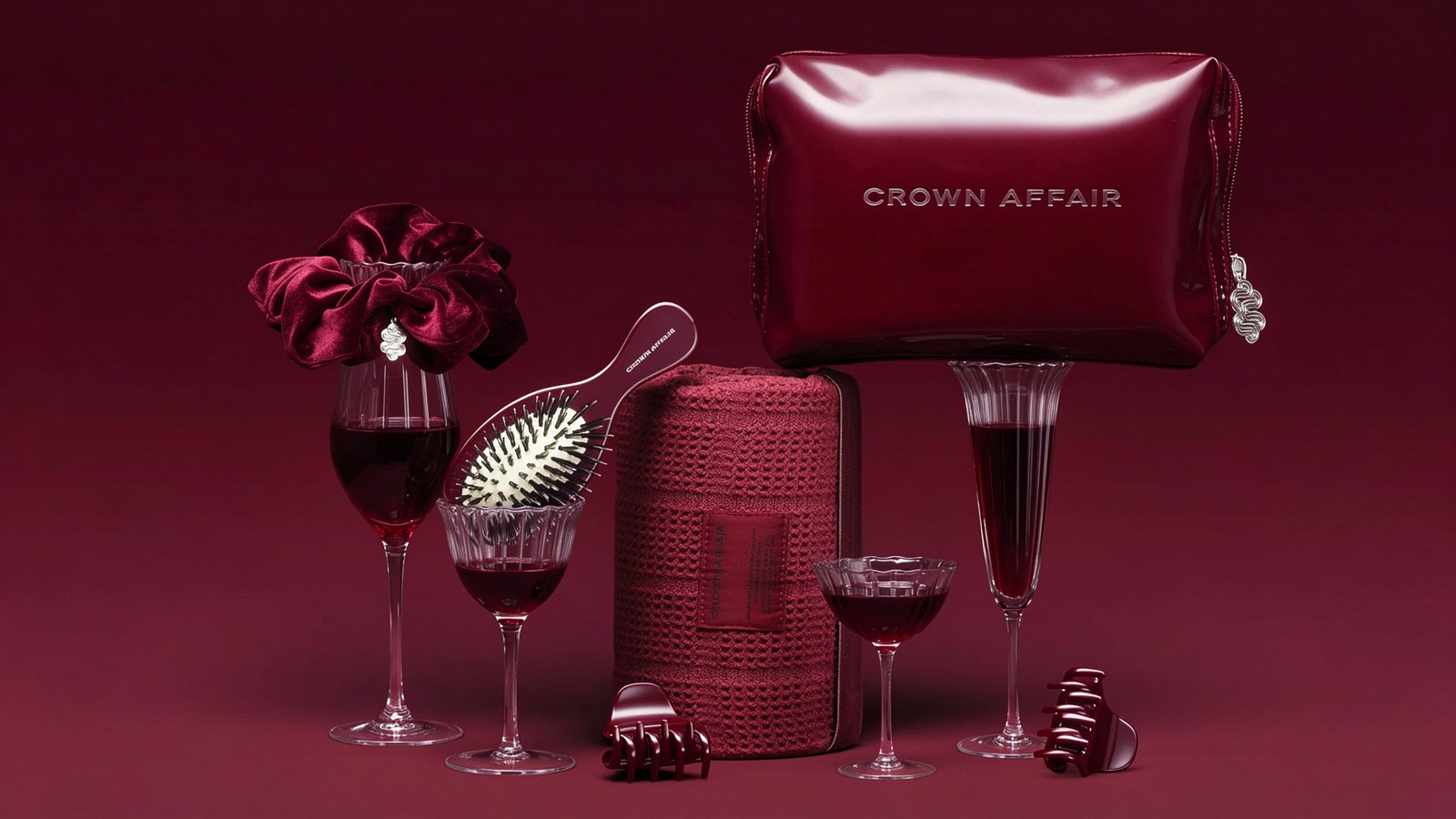
Official homepage: https://crownaffair.com
Crown Affair launched in January 2020 with a radical promise: your hair routine should take its time. Founder Dianna Cohen distilled her obsessive hair care Google Doc — shared widely among friends long before it became a business — into a tight edit of essentials. Weeks later, the world locked down, and at-home rituals surged. Six years on, the brand built on brushes, towels, and oils sits in Sephora, Goop, and MECCA, proving that slow, tool-first hair care was never a pandemic phase but a lasting philosophy.
A Google Doc Went Viral Before the Brand Existed
Long before Crown Affair had a name, it had a document. Dianna Cohen, who had spent years working in beauty and marketing — including stints at Into the Gloss, luggage brand Away, shoe label Tamara Mellon, and the agency Levitate behind Outdoor Voices — maintained a meticulous Google Doc of her hair routine. Friends kept asking for it, then forwarding it, until the spreadsheet of techniques and products took on a life of its own. Cohen has said that watching people copy her routine doc was the clearest signal that a brand could exist around it. Rather than starting with a hero SKU and working backward to a story, she inverted the playbook: the community and the ritual came first, the products followed.
Launching Four Essentials Weeks Before a Lockdown
When Crown Affair debuted on January 28, 2020, the lineup was deliberately small: a brush, a comb, a towel, and an oil. Four essentials, nothing more — a sharp contrast to the 20-step routines dominating beauty feeds at the time. Then COVID-19 hit, salons closed, and consumers suddenly had both the time and the motivation to invest in at-home hair care. What could have been disastrous timing became a tailwind. Six years in, the brand marked its anniversary in January 2026 with the launch of a Smoothing Air Dry Cream, signaling a portfolio that keeps growing without losing its tight-edit discipline.
Brushes Before Bottles: The Tool-First Strategy
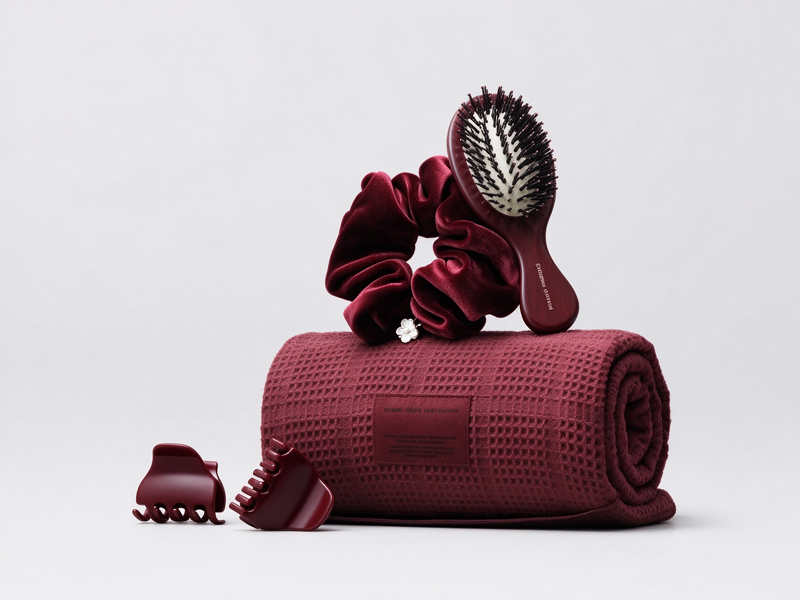
Most hair brands launch with formulas and add accessories later. Crown Affair did the opposite, treating tools as the foundation of the ritual. The Brush No. 002 quickly earned a reputation as a dupe for the legendary Mason Pearson — similar mixed-boar-bristle construction that distributes oils from scalp to ends, at a fraction of the heritage price. The wide-tooth comb is sized for shower use and detangling without snapping strands. This sequencing matters: by establishing trust with objects that require no formulation claims, the brand built credibility that carried over when it did launch care products.
The Towel That Reinvented a Bathroom Staple
The humble hair towel gets almost no attention from beauty brands, yet Crown Affair made it a signature. Marketed partly through the lens of its original manufacturing origin story, the towel is cut from a soft, highly absorbent waffle-knit fabric that wicks water without the friction that rough cotton causes. For anyone air-drying, the pitch is simple: less rubbing means less breakage and less frizz. It is the kind of unglamorous product that converts people quietly — reviewers rarely call it exciting, but they reorder it.
Powder, Not Spray: The Dry Shampoo Bet
Dry shampoo was overdue for reinvention, and Crown Affair's answer was to go back to powder. The Dry Shampoo ditched the aerosol can in favor of a finely milled powder applied with a brush, eliminating propellant residue and the chalky cast that plagues spray formulas. The brand positioned it as a scalp-health product first and a convenience product second, encouraging users to treat application as a massage rather than a rush job. Alongside it, the Finishing Gel offers a flexible, non-crunchy hold — a category the brand entered only after years of customer requests.
The Mask That Won Over Gwyneth Paltrow
The Renewal Mask has the most famous backstory in the lineup: it is formulated to meet every one of Goop's clean-beauty guidelines, a constraint that helped win Gwyneth Paltrow as an early investor and landed Crown Affair on Goop's shelves. The mask targets damage with a bond-repair-adjacent approach, meant for weekly use rather than as an occasional rescue treatment. Cohen has framed this as the brand's proof that a hair mask can be a staple, not a splurge — a philosophy that clearly resonated with Goop's ingredient-obsessed audience.
Tsubaki Oil and the Japan Head-Spa Trip
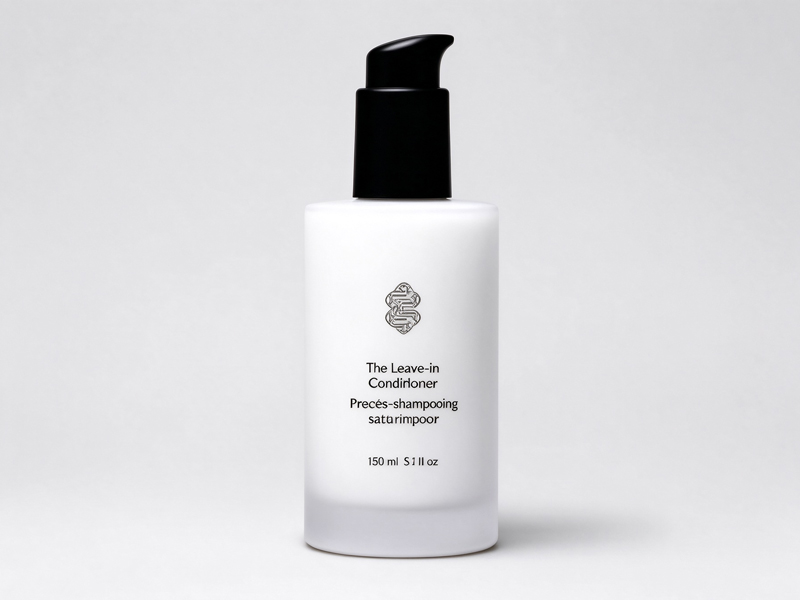
Crown Affair's hero oil traces back to a 2019 trip to Japan, where Cohen experienced the country's head-spa culture — long, unhurried scalp treatments that treat hair care as ceremony. The formula centers on tsubaki (camellia) seed oil, a centuries-old Japanese beauty ingredient prized for its lightweight absorption and shine. That trip crystallized the brand's mantra, "Take your time," which shows up everywhere from product copy to packaging. The mint-green palette, meanwhile, has become instantly recognizable on a bathroom shelf — a feat of visual branding most indie labels never achieve.
The Twist-and-Clip Method That Took Over Feeds
Crown Affair's most powerful marketing is arguably a technique, not a product: the twist-and-clip air-dry method, demonstrated with the brand's The Clips, teaches users to twist damp sections of hair and secure them to encourage natural wave and volume without heat. Clips priced around $58 sold out repeatedly as the method spread across short-form video. The Clips No. 002 and a dedicated comb-and-clip routine round out the styling-edit side of the business, turning the brand's Instagram and TikTok presence into an education channel rather than an ad feed.
From Sephora Shelves to a Seedling Mentorship
Retail expansion has been methodical: Goop and Violet Grey first, then Sephora, Moda Operandi, and Australia's MECCA — a channel mix that spans clean-beauty purists, department-store shoppers, and international audiences. Cohen, a Forbes 30 Under 30 alumna, has also extended the brand's mission beyond products through Seedling, a mentorship program supporting women founders, named for the idea that small brands need the right conditions to grow. Notably, Elaine Choi, the founding president, has since stepped into the CEO role, bringing experience from beauty-tech company Sensei — a leadership transition that positions Cohen as creative founder and Choi as operator, a split many scaling brands aspire to but rarely formalize.