Sold, sued, silenced, revived: the playa hair story nobody saw coming
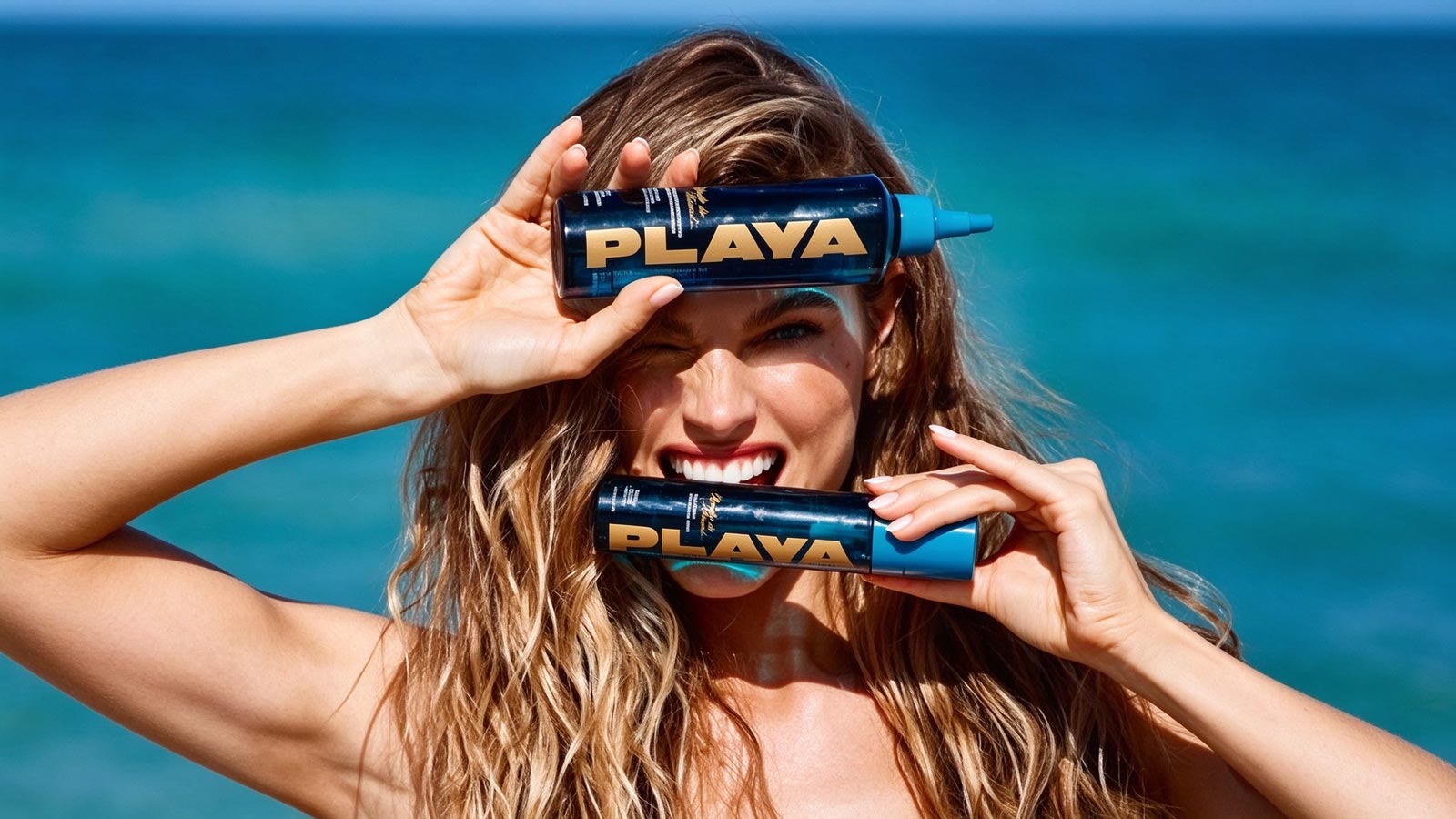
Official homepage: https://playabeauty.com
Few hair brands have lived as many lives as Playa. Founded in 2017 by fashion stylist Shelby Wild on a Venice beachfront budget, the clean "wash-and-go" line rode the air-dry wave into 134 Sephora doors before being acquired by Morphe parent Forma Brands in 2020. Then came the collapse: the founder sued, Sephora dropped the line, and the brand went dark. Today, Playa operates under new ownership as a fragrance-first hair and body care house — made in Miami, fronted by beauty entrepreneur Susan Yara, and trading on its second act.
A Fashion Stylist's Venice Beach Escape
Wild's path to hair care ran through fashion, not chemistry. She worked at Vogue Italia and then Intermix in New York, logging 12-hour days with no time for a morning routine — and no products that let her wash and go without heat styling. Convinced there was whitespace for a tight edit of clean, salon-quality essentials, she moved to Venice, California, enrolled in an herbalism course, and surfed between formulation sessions. The brand she built bottled that atmosphere: slow living, sun-warmed skin, and hair that looked best after a day in the ocean. Her early advisors included her scientist father and a handful of chemists she recruited by simply asking.
Five Products, One Signature Beach Scent
The 2017 debut was deliberately small — five pieces, all formulated to Environmental Working Group guidelines. The Every Day Shampoo (32)usedacoconut−derivedsurfactantinplaceofSLS;theSupernaturalConditioner(32) used a coconut-derived surfactant in place of SLS; the Supernatural Conditioner (34) leaned on brassica and copaiba oils; the Ritual Hair Oil (38)blendedapricot,kukuinut,andsunfloweroilsforpiece−ytexture;theEndlessSummerSpray(38) blended apricot, kukui nut, and sunflower oils for piece-y texture; the Endless Summer Spray (28), named for the 1966 surf documentary, coaxed out waves with a tomato-derived UV filter; and the Pure Dry Shampoo ($26), the one-off product that had actually sparked the whole company. Wild famously obsessed over the signature scent — black coconut, orange blossom, fresh sandalwood, and Pacific musk — designed as a sophisticated take on "beachy." Each formula went through roughly fourteen revisions over a year of personal testing.
Sephora Doors Open, Then Slam Shut
By August 2018, Playa had expanded from Sephora.com into 134 physical doors, alongside Violet Grey, MECCA, Madewell, Free People, and Revolve. The pitch — a simplified, complementary routine rather than a shelf of near-identical formulas — caught the air-dry moment perfectly. But the growth story took a dark turn in 2020, when Forma Brands acquired Playa as its first hair-care bet. Internal projections reportedly discussed turning the brand into a $50 million business in five years; instead, Forma filed for Chapter 11, Sephora dropped Playa in 2022, and Wild — who left in 2021 — sued Forma and majority owner General Atlantic for $15 million, alleging her line had been sidelined. The brand's social accounts went silent.
Miami, Susan Yara, and a Fragrance-First Rebirth
The store that operates today is a revival. The current Playa is headquartered in Miami, bills itself as "fragrance-forward haircare and body care," and names Susan Yara — the beauty entrepreneur behind YouTube channel Mixed Makeup and the skincare brand Naturium, which e.l.f. Beauty acquired in 2023 — as founder. The repositioning is explicit: from prestige Venice minimalism to sun-drenched, scent-led lifestyle products, from the "every day" wash routine to perfume oils and shower essentials that linger. The Instagram bio says it plainly: "Beach with Benefits," made in Miami. It is less a continuation of the old Playa than a new brand wearing a familiar name.
The Shelf Today: Legacy Heroes Meet New Launches
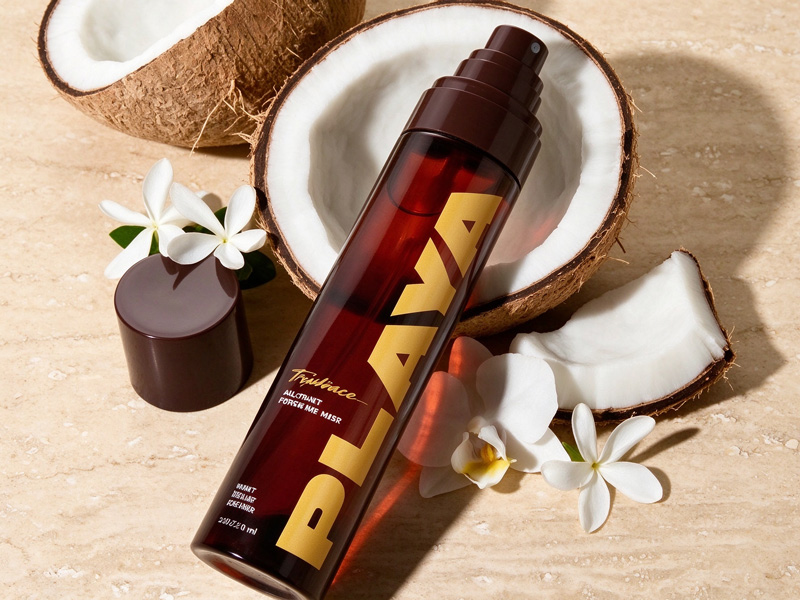
Legacy heroes like the Every Day Shampoo, Supernatural Conditioner, and Ritual Hair Oil remain the backbone of the hair range, still praised by longtime customers for working beautifully on color-treated and curly hair. Around them, the revived brand has built a fragrance and body assortment — products like the Triptease Perfume Oil for body, a perfumed dry shampoo, and new shower essentials. Customer feedback reflects the transition: devoted fans of the original formulas coexist with reviewers who find recent reformulations and new scents more artificial, and who would rather the brand shore up stock levels of its greatest hits than keep launching adjacent products. The tension between heritage and reinvention is the defining feature of the current catalog.
Clean Credentials Carried Over From 2017
The formulation philosophy of the original Playa survives the ownership change. The line stays free of SLS, parabens, phthalates, and synthetic dyes, remains cruelty-free, and continues to swap conventional synthetics for "clean clinicals" — the capryl glucoside coconut cleanser that replaces sulfates, a proprietary Japanese honeysuckle preservation system in place of parabens, and broccoli seed and apricot oils standing in for silicone slip. The EWG-aligned standards that earned the brand its early clean-beauty credibility are still part of the pitch, and the UV-protective lycopene in the wave spray remains a signature innovation.
Prestige Pricing With a Subscription Hook
Playa sits firmly in prestige territory: hair products run roughly $26 to $38 per bottle, mirroring the original launch pricing, with perfume and body items in a similar band. The DTC store softens the sticker through a subscription membership that discounts repeat orders — a sensible structure for consumables like shampoo and dry shampoo that customers genuinely reorder. The site ships internationally, though overseas customers on review platforms note that shipping costs bite. Compared with the $10 mass segment where the brand's founder-first era first flirted with expansion, the current positioning clearly chooses margin and brand world over volume.
A Name That Learned to Survive
What makes Playa worth watching is resilience rather than novelty. The brand pioneered the tight-edit clean hair routine years before it was a category, survived a textbook private-equity collapse — acquisition, stalled support, founder litigation, retailer exit — and resurfaced with new ownership, a new city, and a sharper identity. Few indie beauty names get a second act at all; fewer still convert one into a coherent new story. Whether the fragrance-first Miami chapter recaptures the magic of the Venice original is the open question loyal customers are still answering with their reorders.