Sachajuan store review: what to know before you buy hair care products
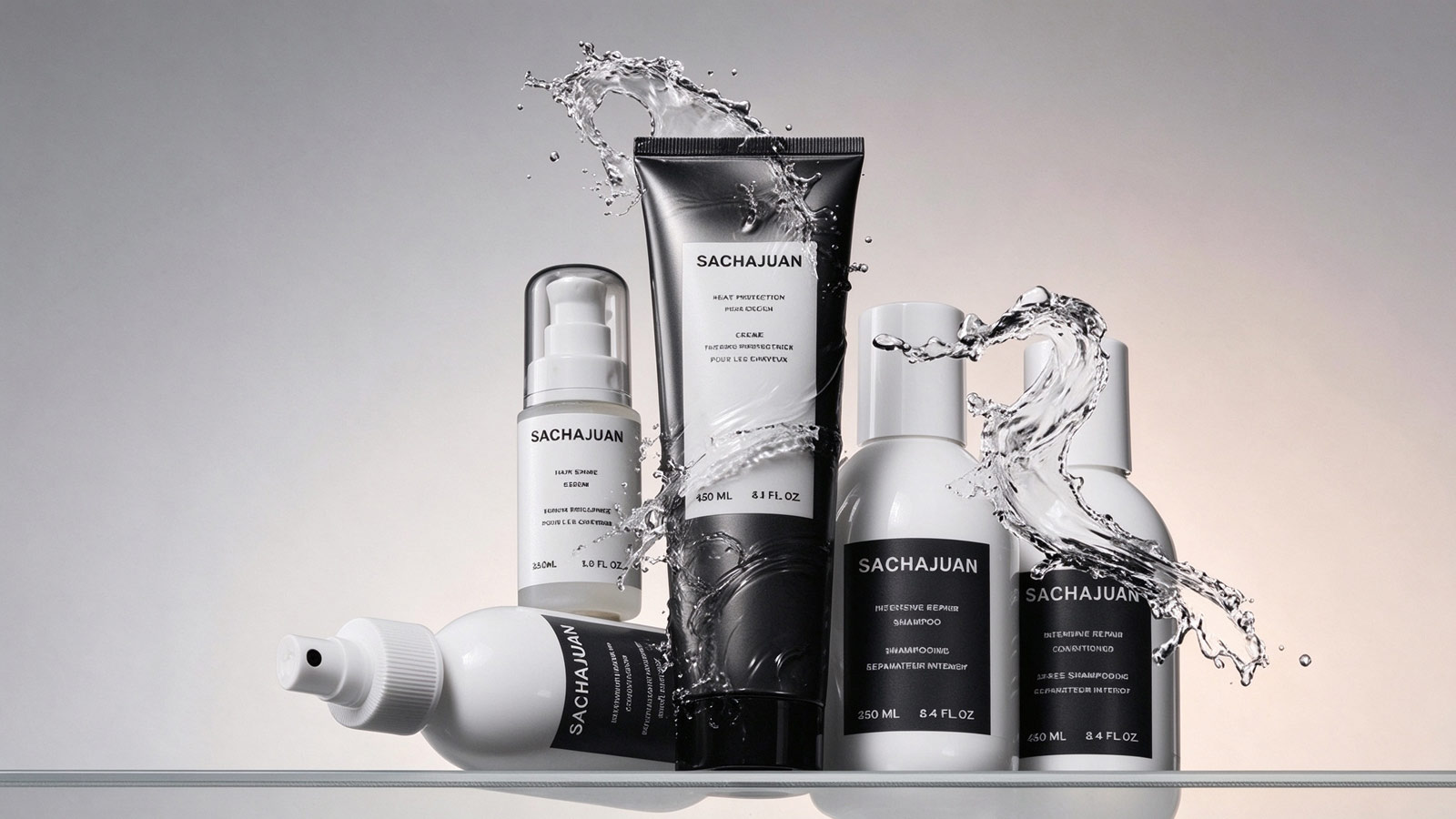
Official homepage: https://sachajuan.com
Haircare stores usually sell an ingredient — argan, keratin, biotin — and let the botanical do the talking. Sachajuan sells an ecosystem: the storefront's first word is algae, the technology is called ocean silk, and the philosophy is Scandinavian simplicity. I browsed with hard water that has been quietly calcifying my hair for years and a curiosity about why the Swedes, of all people, would build a brand around the sea. Here is the counter, decision by decision.
Door Policy: The Ocean as the Laboratory
The storefront's subtitle is a discipline — algae bioscience — and the copy explains the mechanism without mysticism: marine extracts, studied for their strengthening properties, woven into formulas the founders spent years developing. Leading with a marine science rather than a lifestyle targets the ingredient-fluent customer: the ocean is the laboratory, the technology has a name, and the store's Scandinavian restraint — no superlatives, no miracle language — borrows credibility from the region's design reputation. The sea is the ingredient list, and the ingredient list is short enough to remember.
A Technology With a Name
Beneath the products sits the proprietary claim — ocean silk technology, a blend of marine extracts the brand credits for the shine and softness its formulas deliver. Naming the technology is IP aimed at the specification reader: the name says the research is proprietary rather than generic, the marine origin differentiates it from every botanical oil on the shelf, and the customer who remembers ocean silk has remembered the brand's entire argument in two words. The name is the moat, and the moat is filled with seawater, and the seawater cannot be replicated by a competitor's argan tree.
Defense Against the Invisible Enemy
When I browsed, the featured collection was built for a problem most stores never mention — daily defense against hard water, the mineral buildup that dulls hair and flattens color. Naming hard water as the enemy is regional honesty aimed at anyone who has moved cities and watched her hair change: the problem is real, it is geographic, and the brand that admits the water is the villain has earned the customer's trust before the first wash. The defense is the differentiator, and the enemy is the customer's own tap, and the tap is in every bathroom the brand hopes to enter.
A Perfume for Hair That Works
The styling shelf carries a product most haircare lines skip — a protective hair perfume, in two compositions, a fruity-floral and a deep noir, each designed to scent the hair while shielding it from the environment. Treating hair fragrance as a first-class category is sensual expansion aimed at the customer who wants her hair to smell like something other than product: the perfume completes the ritual the shampoo begins, the two compositions segment the customer's mood rather than her hair type, and the store has converted a finishing step into a full-price category. The scent is the finish; the finish is the sale; the sale is the ritual completed.
Samples With Every Order, No Fine Print
The header carries a promise most brands relegate to promotions — samples with every order — printed as standing policy. Making the sample policy permanent is low-cost aimed at the new customer: the sample is her next purchase's first touch, the policy says the brand is confident enough to let the product audition, and the store has converted its own margins into a self-funding acquisition channel. The sample is the seed; the full size is the harvest; the harvest is guaranteed by the policy, and the guarantee costs less than an advertisement.
Two Axes, One Shelf
The navigation sorts twice — once by category, from shampoo to fragrance, and once by need, from moisturizing to clarifying — the same inventory indexed by product and by problem. Dual-axis navigation is comprehension aimed at the customer who arrives by either route: the category-shopper finds the shampoo, the need-shopper finds the moisture, and the store serves both without forcing either to translate. The two axes cross at the checkout, and the crossing is frictionless, and frictionless crossings are the ones customers remember.
Simplicity, Innovation, Results, in That Order
The about page organizes its case into three pillars — simplicity, innovation, results — and the copy under each stays under one sentence. Keeping the pillars this short is confidence aimed at the reader who distrusts paragraphs: the simplicity says the routine is curated, the innovation says the science is real, the results say the professionals agree, and the brevity of the whole implies the products can carry the weight. The pillars are the elevator pitch, and the elevator is one floor, and the one floor is all the customer needs to reach the decision.