Linsoul store review: what to know before you buy iems and earphones online

Official homepage: https://www.linsoul.com
Audio stores usually organize by brand or by price — the flagship wall, the budget bin. Linsoul organizes by a different question entirely: how do you listen? The storefront announces itself as the curated home for the finest in audio, chosen with a discerning ear, built by the brands we make — and the we make is the twist, because the store is also the factory's front door, housing four in-house marques under one roof. I browsed with a wishlist of forums and a frustration with shops that sort by price when they should sort by purpose. Here is the counter, decision by decision.
Door Policy: The Curator Who Manufactures
The storefront's first line is a job description — the curated home for the finest in audio — followed immediately by the twist: built by the brands we make. Owning the brands it curates is vertical integration aimed at the buyer who suspects curation of being pay-to-play: the store cannot be paid to favor a brand it owns, the margins stay inside the house, and the customer who trusts the curation is trusting the factory's own taste. The curator and the manufacturer are the same entity, and the conflict of interest dissolves into alignment, and alignment is the rarest thing in retail.
A Menu Organized by Intent
The discovery section does not ask for a budget — it asks what the listening is for: gaming, studio monitoring, travel, critical listening, voice calls. Five scenarios, each with a product count, each described in a sentence that names the actual problem — a cinematic game and a competitive match ask different things of a setup, the copy observes. Organizing by listening intent rather than specification attacks decision fatigue aimed at the newcomer who does not know what a balanced armature is: she finds her scenario, reads one paragraph, and the store has done her research before she knew she needed it. The intent is the map, and the map has five roads and no dead ends.
A Media Wall Wearing Its Numbers
The review section quotes the publications — a mobile site's four-and-a-half million monthly visitors, a tech channel's forty million yearly page views, a YouTuber's twenty-four million subscribers — each outlet's audience size printed beside its quote. Putting traffic numbers beside endorsements is credibility scaling aimed at the customer who cannot weigh reviews she does not know: the numbers translate unfamiliar mastheads into mass, the quotes translate mass into judgment, and the wall has done the arithmetic she would have done herself if she had the afternoon. The audience is the credential, and the credential is counted in millions.
The Reservation Card Before the Sale
A seasonal fixture sat at the top when I visited — the reservation card, a small payment now that converts into a larger discount on the coming sale, with tiers and a gift card attached. Selling a reservation before the event harvests demand aimed at the patient deal-hunter: the card converts intention into commitment at a price too small to regret, the discount locks the customer into the sale she was already planning to attend, and the store has measured its peak-season demand a month before the peak. The card is a weather forecast the customer buys, and the forecast always says rain on sale day.
A Brand for Every Budget
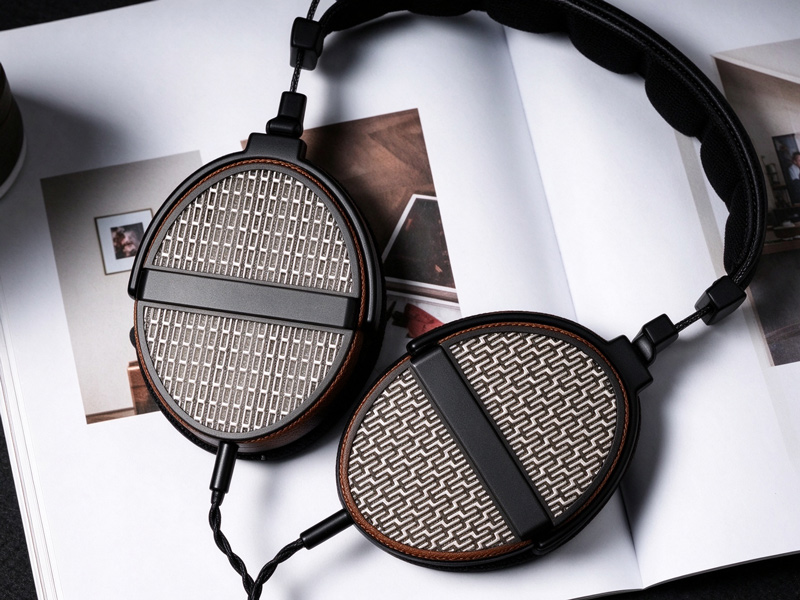
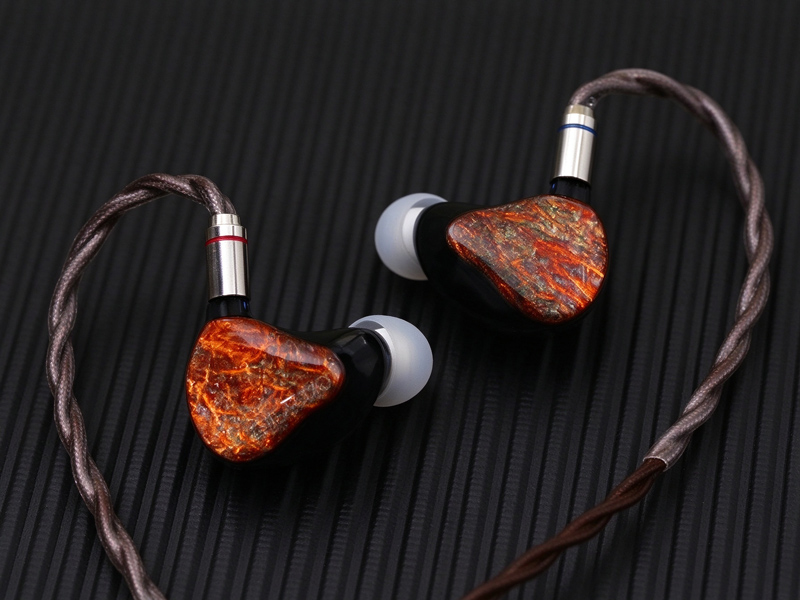
The marque row runs from the flagship line with its nineteen-driver flagship to the value line with its twenty-dollar wonder, each brand occupying a clear tier. Housing four brands in one store covers the market by the customer's lifetime in audio rather than her current wallet: the student starts at the value line, the graduate moves to the mid-tier, the enthusiast arrives at the flagship, and every rung of the ladder is in the same store, under the same warranty, in the same cart. The ladder is the lifetime-value architecture, and the architecture has no exit doors.
An E-Sports Badge on the Shelf
Between the products and the reviews sits a sponsorship banner — one of the house brands partnering with a professional esports organization for a competitive season, the players wearing the brand's mark. Sponsoring a competitive team is use-case proof aimed at the gaming listener: the tournament is the harshest environment the product will face, the team's choice is the review that money cannot buy, and the store has placed its engineering in front of an audience that cares about positional audio more than any other. The jersey is the endorsement, and the endorsement is earned in public, match after match.
The Services Printed Before the Sale
Beneath everything, the service row states its terms in a single line each — genuine products, worldwide delivery, one-year warranty, support answered within three working days. Itemizing services in the footer rather than burying them in a policy page reduces risk aimed at the international buyer who has been burned by gray-market shops: the warranty has a duration, the support has a window, the authenticity has a named source, and the store has answered the three questions that kill cross-border audio purchases before the customer had to ask them. The footer is the contract, and the contract is printed where the ads would go.
A User Wall With Faces and Prices
The customer reviews carry first names, profile pictures, product thumbnails, and prices — a gamer hearing footsteps, a first-timer shocked by separation, a collector declaring a new favorite. Displaying reviews with product and price attached is specificity aimed at the browser comparing options: the review names the model, the thumbnail shows it, the price anchors it, and the testimony reads like a forum post rather than a testimonial. The wall is the community, given shelf space, and shelf space is the respect communities notice.