Lifeboost coffee store review: what to know before buying low-acid coffee beans

Official homepage: https://lifeboostcoffee.com
Coffee stores usually sell flavor or origin. Lifeboost sells purity — the homepage's first promise is a cup that is gut friendly, and its second is the laboratory report: tested for more than four hundred and fifty toxins, on the finished product, before it ships. I browsed with a stomach that has filed complaints about my coffee habit and a skepticism about health claims in food marketing. Here is the counter, decision by decision.
Door Policy: The Lab Report as the Menu
The storefront opens with the number — four hundred fifty plus — the count of pesticides, mycotoxins, and heavy metals the coffee is screened for, printed before a single origin or roast level appears. Leading with the test count inverts the category for the customer who has been told to give up coffee by a doctor, a stomach, or a worried spouse: the number says the problem has been measured rather than waved at, the finished-product testing says the claim is verified at the end rather than promised at the farm, and the store has converted a medical anxiety into a purchase criterion. The lab report is the menu, and the menu is the medicine.
A Trademark on the Process
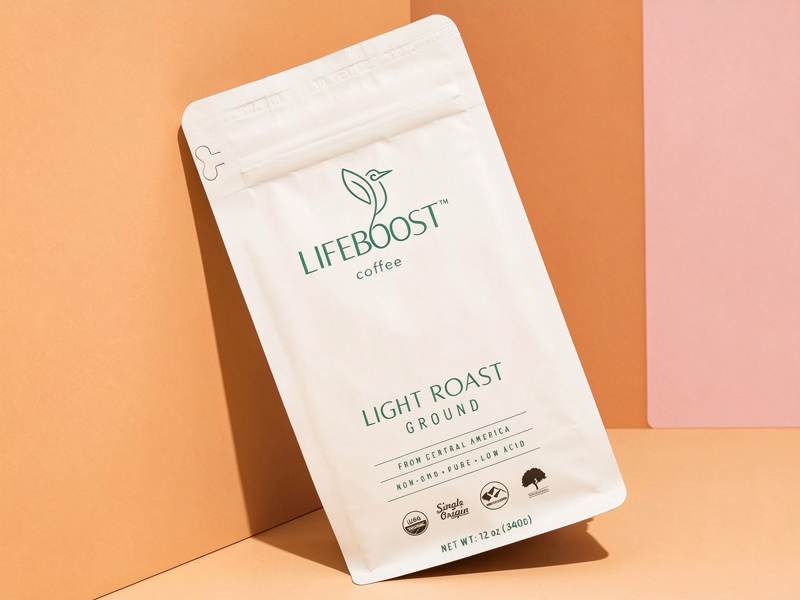
The clean claim wears a trademark — a named process covering the fifteen steps from farm to cup, the word itself registered as intellectual property. Trademarking the process is claims discipline aimed at the comparison shopper who has read a hundred vague clean promises: the name says the process is specific, the trademark says it is proprietary, and the customer who remembers the name has remembered the entire argument in one word. The trademark is the patent, and the patent is printed on the front of the bag, and the bag is the billboard.
Seven Standards, Listed as One System
Beneath the hero sits the anatomy — seven standards, from shade-grown and high-altitude to single-origin and solvent-free, each printed with a one-line justification. Publishing the seven as a system educates the newcomer to health coffee: the standards individually are jargon, the system is a syllabus, and the customer who reads the list has been educated into the purchase without being lectured. The seven are the curriculum; the cup is the graduation; and the graduation is repeated every morning at the kitchen counter.
The Stomach as the First Customer
The copy states the ranking plainly — the number one reason customers buy is the low acidity, the coffee engineered to be gentle on the gut. Naming the stomach as the primary customer is pain-point positioning aimed at the sufferer who has reduced her coffee to a guilty half-cup: the ranking says the store knows why she is here, the gentleness is the product rather than a side effect, and the store has converted a medical restriction into the brand's core promise. The stomach is the customer; the mouth is the beneficiary; and the beneficiary is why the customer keeps the appointment.
Doctors on the Payroll of Praise
The review wall carries a different kind of endorsement — functional medicine practitioners, chiropractors, naturopaths, each named with a practice and a quote, the section headed by the declaration that these doctors recommend the brand. Recruiting practitioners rather than influencers is credibility currency aimed at the health-anxious buyer: the practitioner's license is the trust the influencer's follower count cannot buy, the named practices are verifiable, and the store has borrowed medical authority the way other coffee borrows altitude. The doctors are the co-signers; the co-signers charge in testimonials; and the testimonials compound into a reputation that advertising cannot purchase.
Roasts With Personalities
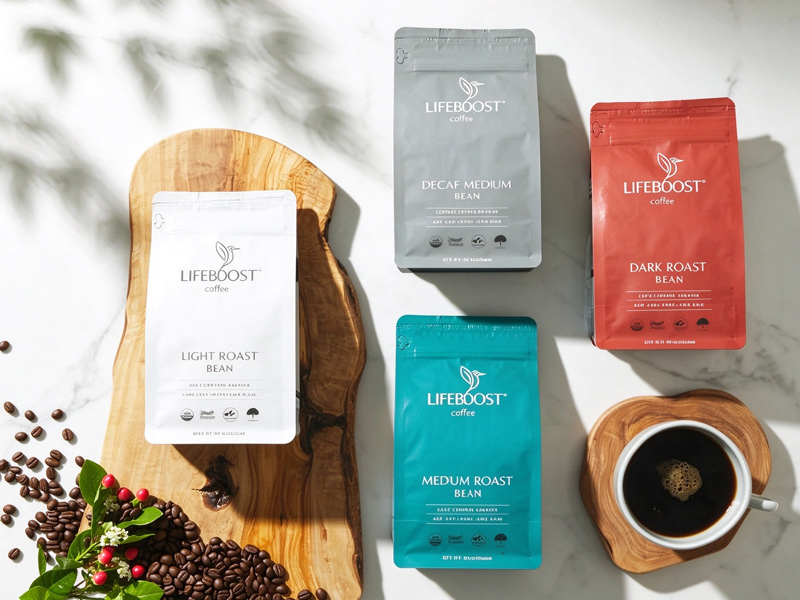
The catalog names its roasts after dispositions — the light roast is the Optimist, the medium is Grata, the dark is Embolden — each bag carrying an attitude rather than a degree. Naming roasts by temperament is memorability aimed at the customer who orders by mood: the Optimist says morning, the Embolden says strength, the Grata says the thankfulness of a medium cup, and the store has converted the roast spectrum into a personality test. The temperaments are the roast chart, translated into the language of how the customer feels, and the feelings are more memorable than the numbers.
Thirty Days, No Questions
The guarantee is printed in the customer's own voice — love your coffee, or your money back within thirty days, no questions asked. The unconditional refund is confidence aimed at the first-time buyer of premium health coffee: the store has priced the risk at zero because the cost of one returned bag is lower than the cost of one lost believer, and the customer who hesitates at the premium has been given the exit as the reason to enter. The exit is the entrance; the entrance is free for thirty days; and the thirty days are usually all it takes to become a habit.
A Quiz Before the Quiz
Before the cart, the store offers a two-to-three-minute assessment — what is your toxic load, the quiz asking about daily habits, requiring no email, returning a result with practical steps. Offering the assessment without harvesting an address is trust acquisition aimed at the health-curious who flinch at lead magnets: the quiz gives value before it asks for anything, the result personalizes the problem the coffee solves, and the store has made the first transaction free in order to make the second transaction natural. The quiz is the free sample of the brand's entire worldview; the worldview is the product; and the product is a cup that passes the lab.