Kinera audio store review: what to know before you buy IEM earphones online
Official homepage: https://kineraaudio.com
IEM stores usually organize by driver count or by price — the tribrid wall, the budget bin. Kinera organizes by mythology: the homepage carousel reads like a Norse census — a night-goddess earbud, a love-goddess hybrid, a well of wisdom rendered in electrostatic — and every product in the catalog is named after a god and painted like a relic. I browsed with a curiosity about the overlap between audio engineering and fine art, and a suspicion that the mythology was doing more work than the marketing usually lets on. Here is the counter, decision by decision.
Door Policy: The Pantheon as the Catalog
The storefront's navigation is a mythology — Odin, Freya, Baldr, Urd, Nótt — each name carrying a product, each product carrying the god's story. Naming the entire line after a single mythology is coherence aimed at the collector: the names are memorable, the stories give each model a personality that spec sheets cannot, and the customer who buys the Freya because she loves the goddess of love and beauty has been sold a philosophy rather than a driver configuration. The pantheon is the filing system, and the gods do the merchandising, and the merchandising works because gods never go out of style.
A Panel No One Else Owns
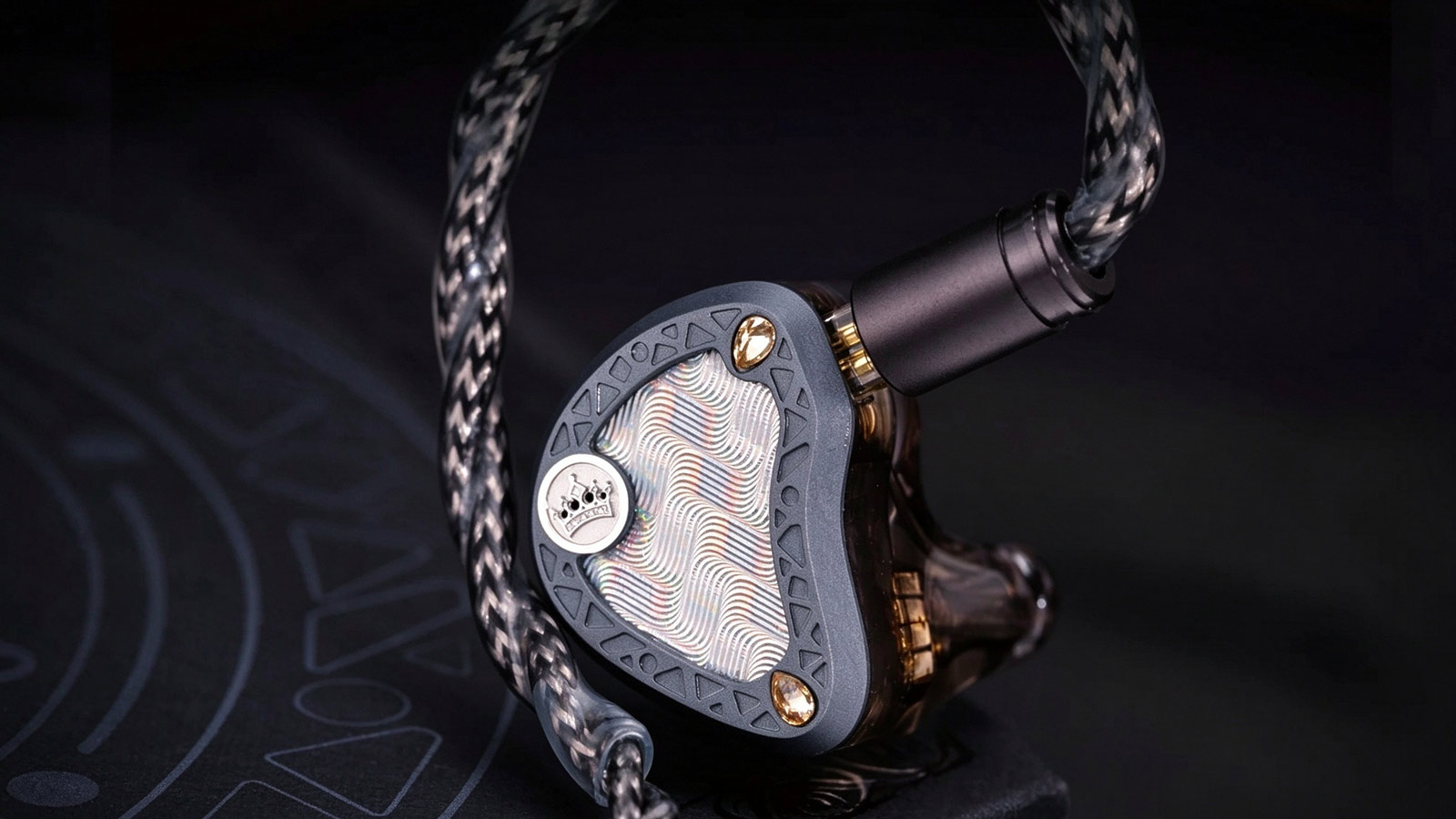
The copy's quietest claim is its boldest — no two units look identical — because every earphone's faceplate is hand-painted by an artist, each pair a small original. Manufacturing uniqueness is art positioning aimed at the customer who suspects mass production of erasing soul: the panel is a painting the customer wears, the variation means her pair is not a SKU but a piece, and the store has converted manufacturing variance into provenance. The painting is the differentiator; the uniqueness is the warranty of soul; and the soul cannot be duplicated by a competitor's paint shop.

The Story Is the Spec Sheet
Each product page carries a narrative — the love goddess who wept tears of gold, the well of fate that nourishes the world tree, rendered in six layers of sculpted resin that dip toward the center like a lake. Telling the myth beside the measurements is education aimed at the browser who does not know what a balanced armature is but knows what a story is: the myth explains the design, the design illustrates the myth, and the customer who reads the story understands the product without reading a single number. The story is the spec sheet, translated, and the translation sells better than the original.
A Decade of Making for Others
The about page tells the factory's first life — years spent building drivers for other headphone companies, including a high-resistance micro-driver for hearing aids, before the company put its own name on a product. Publishing the OEM history is credibility aimed at the specification reader: the drivers were trusted by other brands first, the patents predate the consumer line, and the store's engineering is inherited from a decade of manufacturing for the demanding rather than the marketable. The factory is the resume, and the resume lists the competitors as references.
The First Electrostatic, Under Its Own Name
The catalog includes a landmark — the company's claim to the first electrostatic IEM, a model that opened the tribrid era the rest of the industry now builds in. Claiming the first is innovation positioning aimed at the enthusiast who follows technical history: the claim says the brand does not follow the market's trends but precedes them, the current line inherits the pioneering architecture, and the customer is buying from the author of a chapter rather than a student of it. The first is the credential; the lineage is the proof; the proof is printed in the architecture.
A Second Brand for the Younger Pantheon
Beneath the flagship line sits a sister marque — a more affordable brand with its own creature names and its own esoteric technology, covering the entry and gaming tiers. Running two brands from one factory is market coverage aimed at the customer who will someday trade up: the beginner starts on the affordable line, learns the house's tuning philosophy, and graduates into the flagship pantheon without leaving the ecosystem. The sister brand is the apprenticeship; the flagship is the mastery; the mastery is where the pantheon lives.
The Oak-Bodied Flagship
At the summit sits a pair with wooden shells — oak, of all materials, housing seven drivers including four electrostatics, the copy explaining that the god of light and purity deserved a body as natural as his domain. Using wood in a category of resin and metal is materials experimentation aimed at the collector who wants the object to feel organic: the oak ages with the owner, the grain makes each pair physically unique in a way paint cannot, and the store has answered the industry's plastic sameness with a material that remembers. The oak is the argument that sound should have a body, and the body should have a grain.
The Night Walks Into Wireless
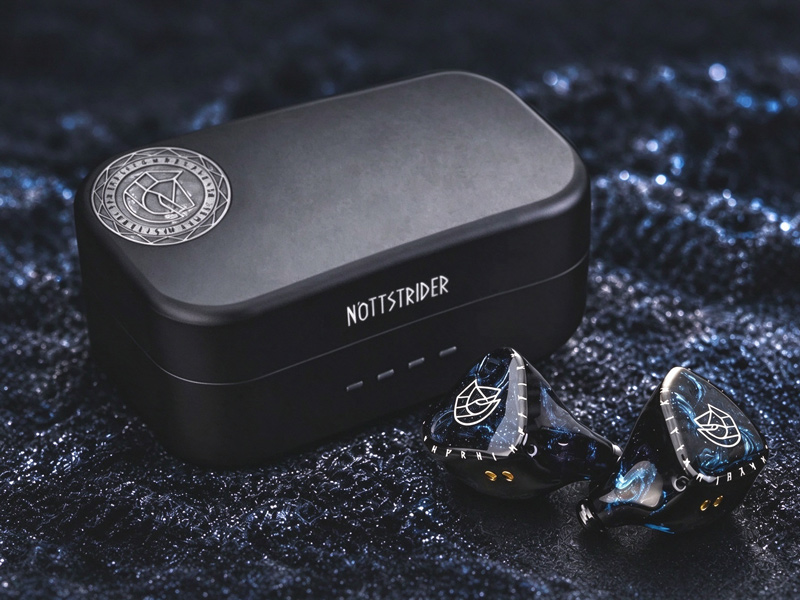
The newest products leave the canal entirely — an open-ear wireless shape named after the night goddess, promising awareness of the world alongside the music, and a machined-aluminum sibling with a composite faceplate for those who want the mythology in a smaller form. Extending the pantheon into open-ear and true-wireless is form-factor expansion aimed at the customer who loves the brand's sound but not the cables: the mythology travels into the shapes the market is moving toward, the artist's hand follows the new form factors, and the pantheon gains members without losing its coherence. The night walks; the stories follow; the stories are why the walking matters.