Kid-invented aisles at brick loot: mystery boxes, mini city racks, corporate gift counters
Official homepage: https://www.brickloot.com
Most shops in the building-blocks trade organize themselves around a catalog — rows of licensed sets sorted by theme, waiting for a shopper who already knows what they want. Brick Loot inverts that: the whole storefront is arranged around a calendar. I browsed with the eyes of someone shopping this category for a kid who already owns too many bricks, and the store kept steering me toward decisions — which month to start, which city block to add next, how deep a gift commitment to make. Here is the shop, decision by decision.
A founder story working the door
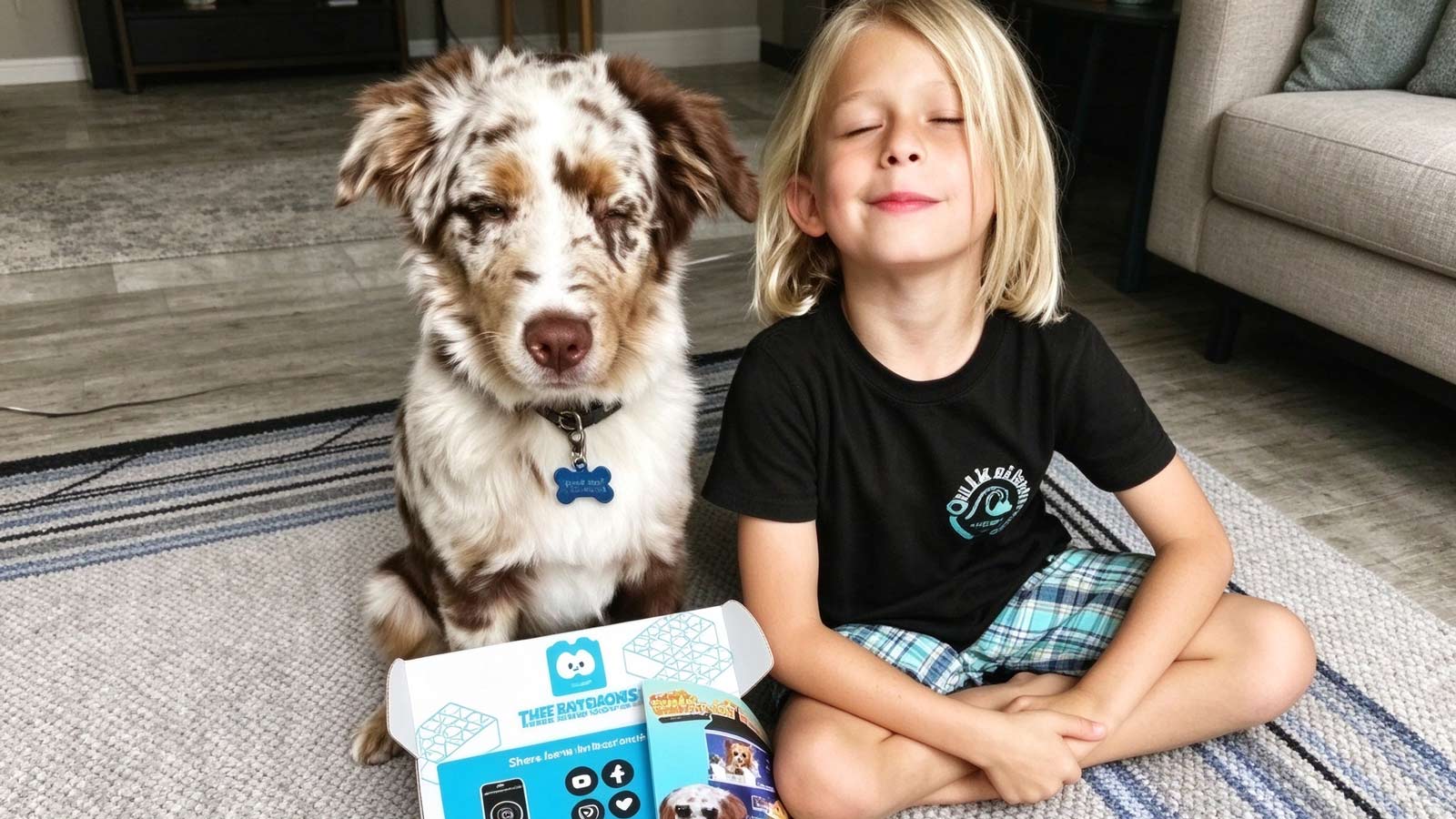
Every box ships with the same printed creed: "Kid Invented – AFOL Approved." The about page explains why — Parker Krex was nine when he started the company in 2013, after reviewing sets on YouTube since age four and pitching his parents, garage-sale style, until his dad signed on as the investor. Today the team sits in Lindon, Utah, designing sets, printing minifigures, and packing orders in-house. Most toy stores borrow credibility from the brands they stock; this one borrows it from a childhood. The founder is not marketing garnish — he is the positioning statement that greets you before any product does.
Two shipment dates run the subscription engine
The Original box ships on the 10th of each month; a second tier, the VIB box, follows on the 20th. Billing lands on the 1st, there is no order cutoff for the current month's box, and new subscriptions ship free within the United States. Month-to-month plans can skip, delay, or cancel anytime, while the discounted 6- and 12-month prepaids lock in — no pausing — and an early exit is refunded at the regular, higher monthly rate. This is a subscription run like a utility: fixed ship dates, automatic renewal, and a pricing ladder that quietly rewards commitment.
Mini City turns single sets into a shelf system
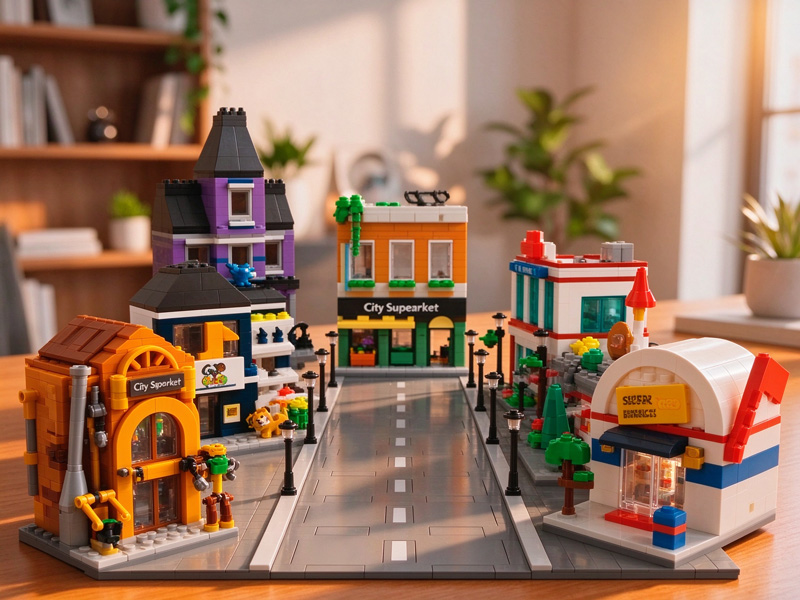
Below the subscription pitch, the homepage is zoned like a department store: "Most Popular," then "Build your Mini City," then "New Arrivals." The Mini City line is the connective tissue — modular buildings engineered to join one another, so a $19.99–$29.99 purchase is never the end of the thought, just the next block. The product data states the strategy outright: each set is tagged compatible with the rest, and each description closes by pointing at the others. One-off toy sales become urban planning, and the second purchase is pre-architected before the first bag is opened.
Twenty-percent-off arithmetic on every rack
As I browsed, nearly every price tag carried a struck-through original beside a red "Save 20%," with entry points at $5.99 and big-ticket sets near $98.99. A newsletter signup promises 10% off the first order, and the subscription box itself advertises a retail value of $55-plus against a monthly price in the high twenties. Brick Loot plainly treats the anchor price as marketing surface and the discount as the actual conversion lever — a register that almost never rings at full price.
Over fifty million bricks of social proof
Mid-homepage, a counter reads "Over 50 million bricks of fun... and counting," followed by a wall of customer builds under #brickloot and named quotes from subscribers like Angela, Matthew, and Chad. Below that, an "As Seen On" strip runs Brick Journal, NBC, Fox News, Daily Herald, and WBBM. The about page adds a corporate trophy case — custom kits for Netflix, Domino's, Hyundai, Procore, and Pinterest, each with a client testimonial attached. The trust fixtures are layered in three registers: community volume up front, media badges in the middle, B2B receipts at the back.
A returns counter that protects the surprise
The refund policy is blunt: no returns on subscription boxes, mystery boxes, custom items, or opened goods, with shipping non-refundable in both directions. Light kits carry a 15% restocking fee and a 30-day warranty — plus an open-ended offer to help repair even years-old products for free whenever possible. The logic is coherent: surprise commerce cannot survive a liberal returns door, so the store compensates with lifetime repair support instead. The policy counter is strict, but it is staffed by humans.
Beyond the homepage, marketplace outposts
The brand site is not the whole footprint. A Cratejoy listing keeps the subscription box in front of discovery-minded gift buyers, and an Amazon store catches the comparison shoppers who filter by Prime. The channels divide the labor neatly — brand site for the full ritual, marketplaces for the "I need a gift by Friday" moment. Even a store built on a kid's origin story knows that growing up means being findable everywhere.