46% More on haircare, zero brands built for them: ceremonia closed the gap
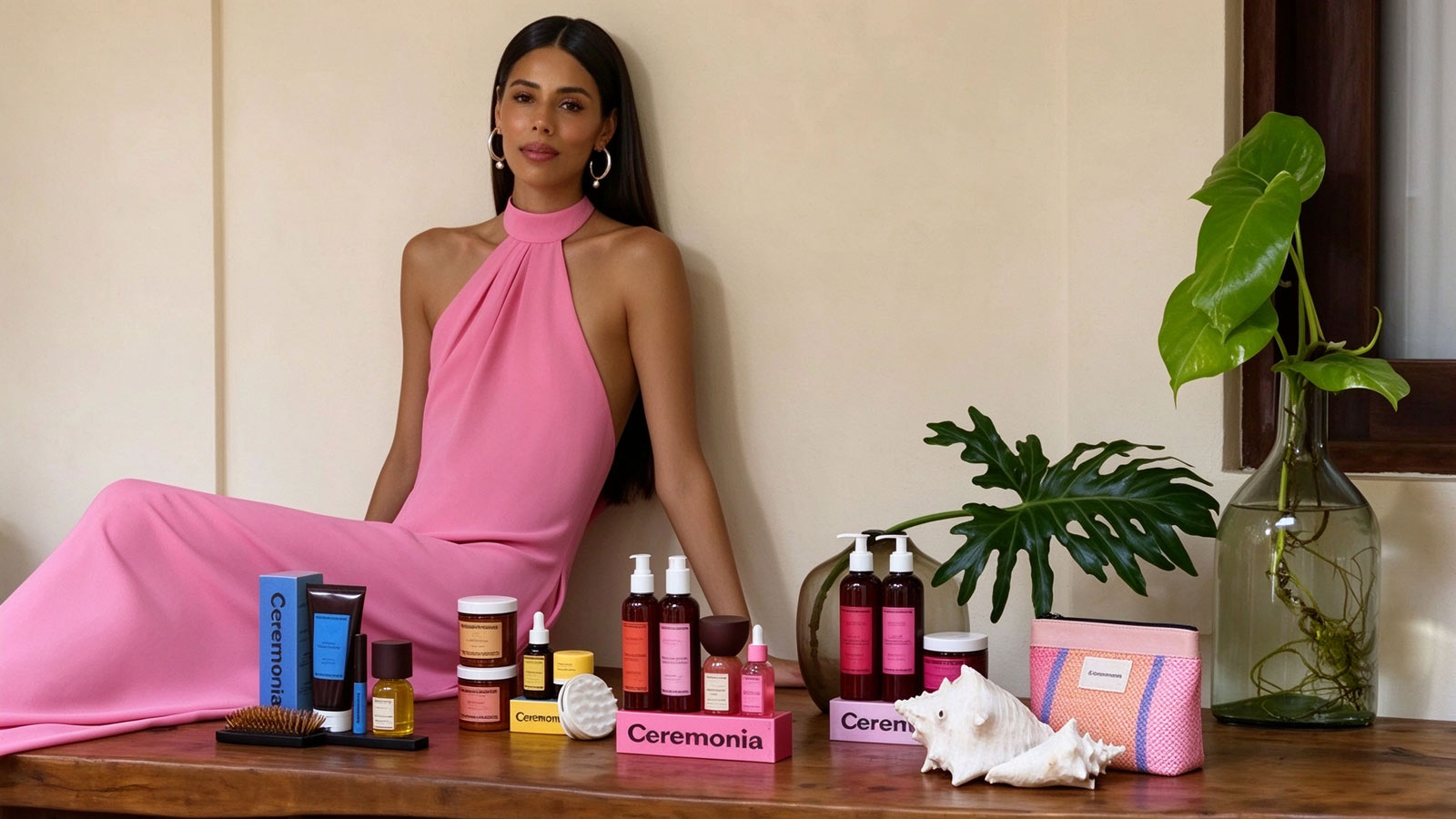
Official homepage: https://www.ceremonia.com
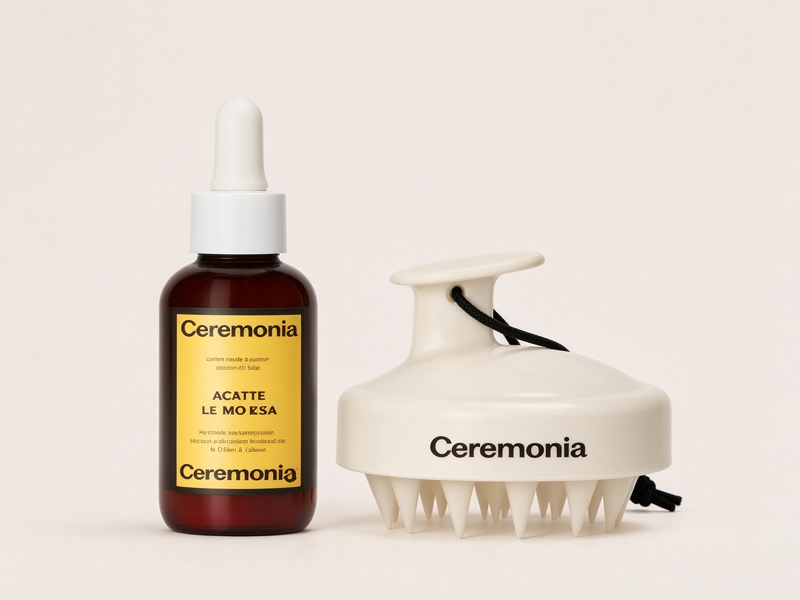
Babba C. Rivera launched Ceremonia in October 2020 with a single scalp oil and a research finding she could not shake: Latin consumers spend 46 percent more on hair care than any other US demographic, yet no hair brand had been built by or for them. A Chilean-Swedish marketing veteran who helped launch Uber in Stockholm before moving to New York, Rivera raised $1 million in pre-seed funding, started with one D2C SKU, and five years later sells through more than 500 Sephora stores as the retailer's first Latina-founded hair care brand — with over 45 beauty awards behind the line.
From Stockholm to Uber to a Hair Oil
Rivera's route to beauty ran through tech. She joined Uber at 22 as one of its early European employees, launching the rideshare service in Sweden before transferring to the New York office, then moved to luggage startup Away. A Forbes 30 Under 30 nod in marketing came at 25. In 2017 she founded ByBabba, a brand marketing agency whose client list included Glossier, Prose, Ritual, and YSL Beauty — the front-row seat that showed her how venture-backed consumer brands get built. Her husband, meanwhile, sold his e-commerce startup Tictail to Shopify, giving the household an insider view of the platform Ceremonia would later run on.
A Chilean Father's Chair Was the First Classroom
Hair was never abstract in Rivera's family. Her Chilean father was a hairdresser who built a community around his salon chair after the family immigrated to Sweden, and Rivera grew up watching rituals — scalp massages, kitchen remedies — that salon clients treated as medicine. Growing up as the only brown kid in a homogeneous Swedish town, she absorbed the message that her hair and heritage were things to tame and hide; she spent years straightening and bleaching it. The brand's founding product, Aceite de Moska, is a heritage scalp oil drawn directly from those rituals, and her decision to chop off her damaged hair before launch became part of the brand's reset narrative.

The Data Point That Justified the Brand
In 2019 Rivera commissioned consumer research before committing to the idea. The numbers were stark: Hispanics accounted for roughly 20 percent of the US population with a median age of 27 — the youngest major demographic — and spent 46 percent more on hair care than non-Hispanics, yet representation in the beauty aisle was close to zero. She has said she realized "the future is Latinx, and the world is just waiting for someone to lead the charge." The statistic became her pitch to investors: an underserved, high-spending community whose culture — she argues — is inherently obsessed with beauty and ritual, waiting for a brand that treated that as a strength rather than a niche.
One SKU, D2C Only, Pandemic Timing
The October 2020 launch inverted the usual playbook: one product — the Aceite de Moska scalp oil, a $1M pre-seed round raised that same month — and no retail partners. Selling a pre-shower scalp ritual DTC during a pandemic meant educating customers one video at a time, leaning on Rivera's decade of social media marketing skill. The bet paid off: the oil won Best Scalp Oil at the Women's Health 2021 Beauty Awards, community feedback directly shaped the next products, and by her account the community requested exactly what came next — leave-in conditioners, detanglers, and heat protection built on a "fewer products that do more" philosophy.
Ingredients Sourced Across Latin America
Every formula taps plants and fruits native to Latin America. The hero scrub blends papaya enzymes, Bolivian pink salt, and guava leaf for scalp exfoliation; the best-selling Pequi Curl Activator uses pequi oil for curl definition; guava anchors the leave-in conditioner and detangler; aloe vera infuses the sealing oil mist. The brand formulates in-house — Rivera talks about reinventing product development rather than outsourcing it — and holds to clean standards: vegan, cruelty-free formulas without the usual suspects. The sourcing story doubles as representation: each ingredient carries its origin region into the marketing, making provenance a brand asset rather than a supply-chain detail.
The First Latina-Founded Hair Brand at Sephora
The retail milestones came in sequence. Credo was the first partner — Rivera calls the clean-beauty retailer "the authority" — followed by Net-A-Porter for international reach after European followers demanded access. Then Sephora: a nationwide rollout that made Ceremonia the first Latina-founded hair care brand in the retailer's history, eventually spanning more than 500 doors and earning the Clean + Planet Positive seal. A brick-and-mortar store in New York and a $10 million Series A followed, putting Rivera among the roughly 60 Latinas who had raised more than $1 million in venture capital at that point. The brand has since collected over 45 beauty awards.
Hair Wellness, Not Beauty, Is the Category Claim
Rivera's positioning language is deliberate: Ceremonia is a "hair wellness" brand, not a styling brand. The distinction shows up in the product logic — scalp scrubs and pre-wash oils that treat the scalp as skin, treatments that address frizz and damage "at the root cause" rather than masking them, and education content that frames hair rituals as acts of self-love inherited from Latinx culture. It is the same wellness-meets-function convergence that reshaped skincare, applied to a category she argues was years behind. The name itself is the thesis: ceremonies — the small repeated rituals her father's salon clients relied on.
Representation as Operating System, Not Campaign
What distinguishes Ceremonia from brands that add diversity to campaigns after the fact is that representation is the founding constraint, not a marketing layer. Rivera has spoken about wanting her children to grow up seeing Latinx success stories she never had, about paving the way for future Latinx founders, and about the shame she internalized as an immigrant kid — all of which she channels into the brand's voice, hiring, and community programs. Her personal mantras — "things are better done than perfect" — double as the brand's cultural tone. For a community that spends more on hair care than any other, the brand's argument is simple: it was always your category; someone just finally built it for you.