How RYSE made smart shades renters can actually afford: the no-drill store reviewed

Official homepage: https://www.helloryse.com
Smart home stores usually want you to replace what you own — the blinds, the thermostat, the doorbell, and eventually half the house. RYSE built its storefront on a more respectful idea: your existing beaded-chain shades are fine, and the only thing wrong with them is that you have to stand up to move them. The Toronto company — which received a four-million-dollar Canadian federal sustainability grant to expand from homes into commercial buildings — makes retrofit motors that clip onto the #10 bead chain your shades already run on, turning a manual window covering into a scheduled, voice-controlled, circadian-aware one in about ten minutes, without a single custom shade quote. With a second product line for curtains now shipping and Matter support on the wall, I went through the hardware, the bridge math, and the complaint file. Here is the store across its dimensions.
The Bet: Motorize, Don't Replace
The economics are the whole pitch. Full-house custom motorized shades run thousands of dollars and require professional installation into window frames you may not own. RYSE's entry math: one motor per window, a bracket, and a chain. The SmartShade comes two ways — the wired version at $149.99, which runs on a 12-volt adapter with a nine-foot cord, and the wire-free version at $199.99, which snaps onto the $49.99 BatteryPack for three to six months of cord-free operation per charge. The company claims shade operation at a whisper-quiet 40 decibels and lift capacity up to ten pounds and 108 inches wide — which covers the overwhelming majority of residential windows — with physical buttons and five preset levels that keep every shade usable even when the app is closed.
The Bridge Math
Here is the dimension where a shopper needs to pay attention. Out of the box, a SmartShade talks Bluetooth only: you control it from the app within about forty feet, or from its onboard buttons. The features most people picture when they hear "smart shades" — remote control from anywhere, scheduling, group control of up to ten shades per room, Alexa, Google Home, Apple HomeKit, IFTTT, and the Matter badge now on the storefront — all require the $49.99 SmartBridge (marked down from $79.99), which connects to your router by Ethernet or WiFi. One bridge covers ten devices, so a three-window bedroom needs one bridge, not three. Routines live on the device itself, which means your dawn-open and dusk-close schedules survive even if your internet does not — a Best Buy reviewer singled out this detail as the feature his household actually fell in love with.
The Catalog Expands: Curtains Next
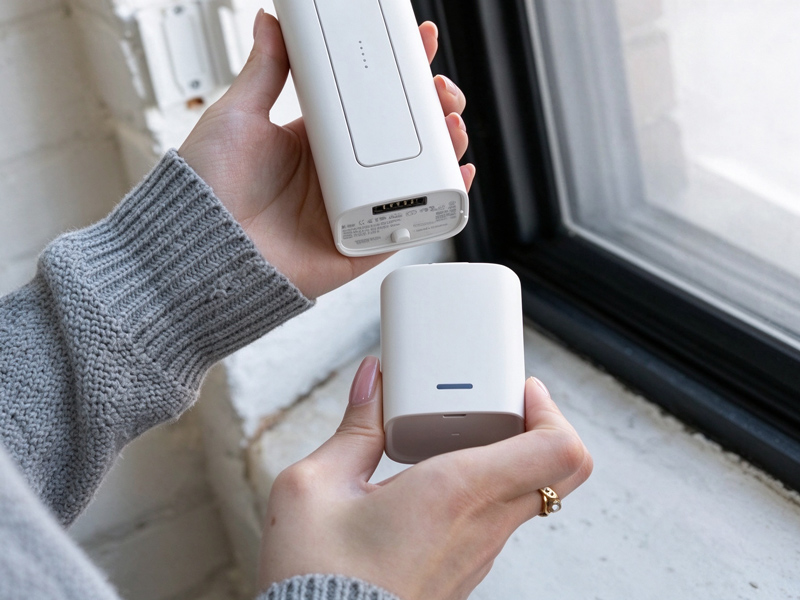
The store's newest shelf is SmartCurtain — a companion motor that clips onto any standard curtain rod rather than a bead chain, installs in under a minute by the company's measurement, and runs silent and smooth for wide or tall windows that shades never fit. A SmartBlind for horizontal blinds lists as coming soon at $99, and a physical remote control ($99) sits sold out on the accessories wall alongside the BatteryPack, curtain spacers, and mounting hardware. The press row above the fold — CBS, Discovery, CNET, Fox News — is unusually heavy for a company this size, and the storefront's design language has shifted noticeably upmarket, all lifestyle photography and circadian-rhythm copy about waking with the light.
The Bundle Ladder
Direct pricing rewards volume quickly. Single wire-free units list at $199.99, the two-pack lands at $329.99 (half off the second), the three-pack at $439.98 (buy two, get one), and the five-pack at $659.97 — effectively $132 a shade at the top rung, before the bridge you will almost certainly add. Every bundle advertises free shipping, and the store backs the line with a 30-day money-back guarantee and a one-year limited warranty. Buyers who prefer a physical cart can find the same hardware at Best Buy and Amazon, where the SmartShade with BatteryPack has accumulated thousands of ratings and a place on the retailer's shelf for three years running.
The Compatibility Contract
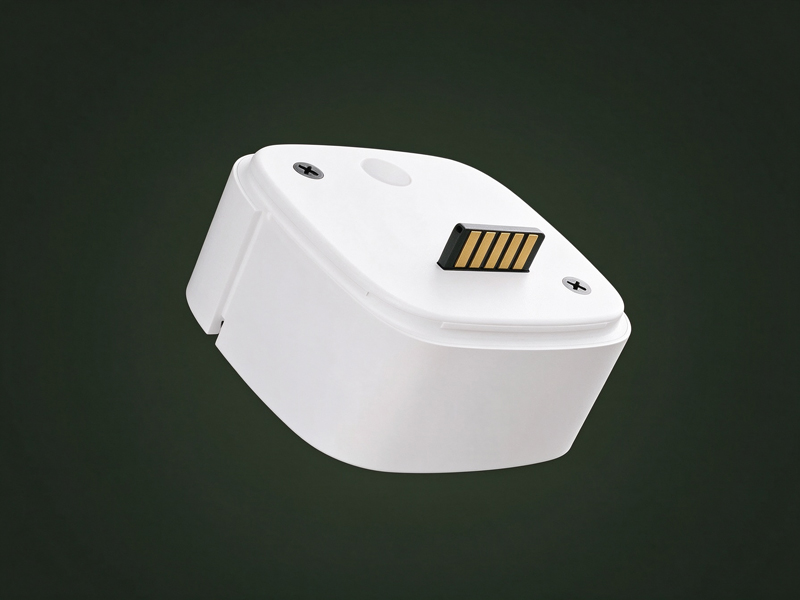
The fine print is unusually important here. RYSE works with roller shades, Roman shades, chain-pull blinds, and patio blinds that use a #10-size beaded chain, in plastic or metal. It does not work with cordless shades, spring-loaded shades, top-down-bottom-up configurations, or factory-motorized treatments — and curtains require the separate SmartCurtain unit rather than the SmartShade. Heavy shades near the ten-pound limit may strain the motor over time, and the unit itself is not invisible: reviewers regularly describe it as bulky in the window, and several wish the battery recharged over USB-C instead of micro-USB.
The Complaint File
The skeptical ledger, assembled from professional reviews and verified-owner feedback. TechHive's verdict has aged into the brand's canonical criticism: the hardware works as advertised, but the true cost is modular — at launch the battery and bridge added $138 per window beyond the base unit — and buyers of small off-the-shelf blinds may find complete smart shades cheaper than retrofitting them. Android users describe pairing and firmware-update friction in the app, and no shade in the line tracks the sun or adjusts to daylight hours automatically; your schedules are time-based, not light-based. None of these are deal-breakers for the target buyer, but all of them should be in the decision.
Our Take
RYSE owns the most sensible corner of the smart home: the retrofit. It respects what you already own, prices by the window instead of by the contract, and its new curtain line widens the addressable house considerably. The honest costs are the bridge tax, the Bluetooth-only starting point, and the narrow bead-chain compatibility that filters out half the market's window treatments. For renters, owners of custom shades, and anyone priced out of whole-house automation, this is the store that made smart shades a per-room decision instead of a renovation.