Everything worth knowing about hubitat: the no-cloud smart home hub store explained
Official homepage: https://hubitat.com
Smart home stores usually sell you a cloud with a box attached — your automations run on somebody else's server, your routines stop when the internet does, and the business model quietly depends on your forgetting to cancel. Hubitat, founded in 2017 by a team led by veteran automation engineer Bruce Ravenel, built its storefront on the opposite covenant: a small black hub with two external antennas that runs every rule, scene, and schedule inside your own walls, asks for no subscription, and never forces an update. It is the hub the forum power users recommend when someone says "I want my smart home to keep working when the WiFi dies" — and the one beginners are quietly warned about in the same breath. I went through the hardware, the software, the pricing, and the complaint threads. Here is the store across its dimensions.
The Anti-Cloud Manifesto
The store's homepage states the thesis in four words: local, reliable, fast, private. Every automation on a Hubitat hub executes on the device itself — lights respond in milliseconds, security rules run during outages, and your device data never leaves the house. In a category where SmartThings gutted its local execution and startups keep moving features behind monthly fees, Hubitat's refusal to charge rent on your own automations is both its identity and its entire marketing budget. The company claims compatibility with more than one thousand devices across a hundred-plus brands, and its no-vendor-lock-in stance extends to a publishing API that lets rival platforms — including Home Assistant — borrow its radios.
One Hub to Sell: The C-8 Pro
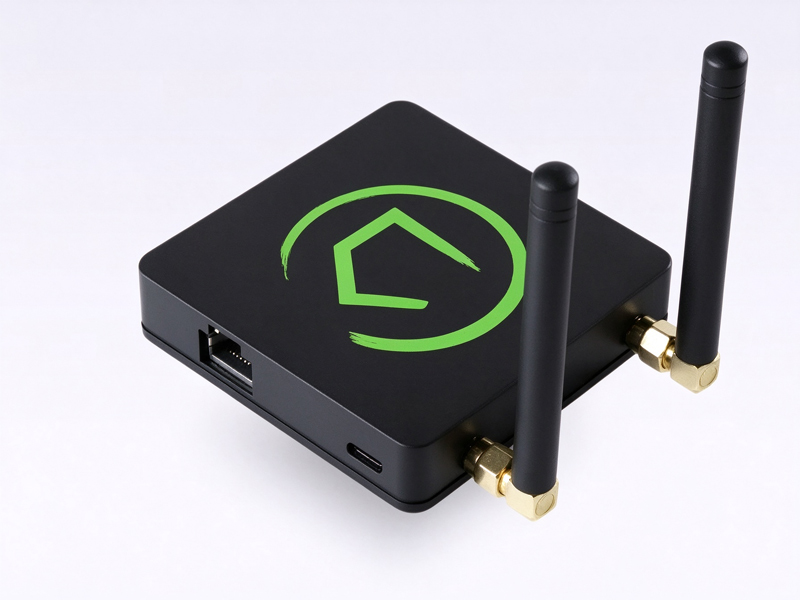
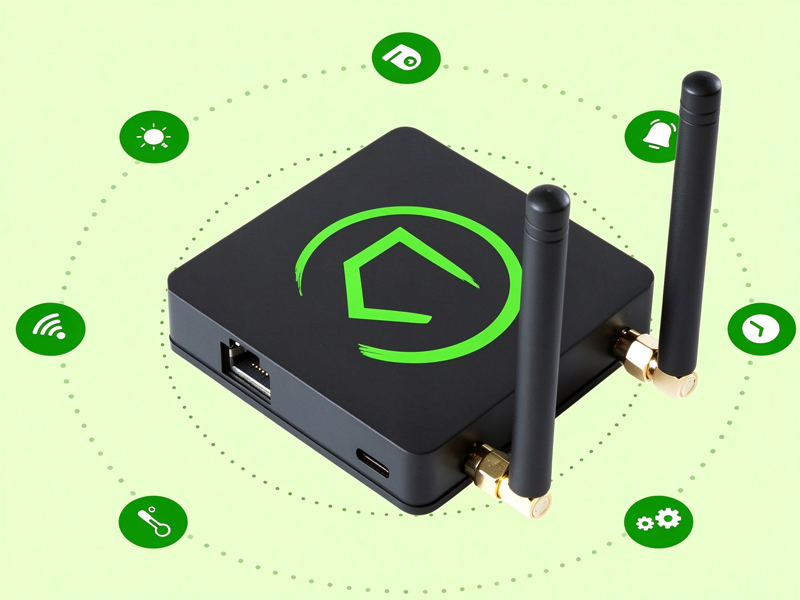
The hardware wall is refreshingly short. As of March 2026, the Elevation C-8 Pro is the only hub Hubitat still manufactures: a 2.0 GHz processor, 2 GB of RAM, built-in Zigbee 3.0 and Z-Wave 800 with Long Range — each on an external antenna for range rivals cannot match with internal radios — plus Bluetooth, Ethernet, and WiFi, and Matter 1.5 controller support. The store has floated its price between $184.95 and $199.95 through 2026, roughly twenty dollars under Amazon's listing for the same unit, so buying direct is the obvious move. A $249.95 Thread Special Edition exists for Matter-committed households, but its Thread radio replaces Zigbee entirely — the wrong buy if you own Zigbee sensors. The older C-8 survives only as warranty-replacement stock.
Rule Machine: The Engine Under the Hood
Software is where Hubitat justifies its reputation and earns its warnings. The built-in Rule Machine engine handles conditional logic, variables, delays, and triggers through a web interface rather than YAML code — powerful enough that reviewers routinely compare it to Home Assistant's automations, wrapped in an interface that multiple 2026 roundups describe, charitably, as looking like a web app from 2015. Around it sit polished built-ins — Room Lighting, Mode Manager, Thermostat Scheduler, Groups and Scenes — plus custom Groovy apps and drivers from a community library that fills nearly every integration gap. Platform updates are user-scheduled and never forced: a deliberate trade of freshness for stability that reliability-minded owners consistently praise.
The Price of Freedom
Here is the store's most persuasive table: ongoing use, including remote access through the app, dashboards, Alexa, and Google Home, costs zero dollars a month. The only paid tiers are optional per-hub services announced in May 2025 — Remote Admin at $45 a year, Cloud Backup at $25, and Hub Protect at $45, which extends a warranty that otherwise lasts just ninety days. That ninety-day figure is the store's most-criticized line item: hardware your home depends on, backed for a quarter of a year, with the paid plan positioned as the fix. Factor in the direct-versus-Amazon price gap and the optional tiers, and the honest first-year math runs $185 to $245 depending on how much insurance you want.
The Compatibility Promise
The ecosystem ledger is broad but not infinite. Alexa, Google Home, and Apple Home integration cover voice control and scenes; Home Assistant users famously pair a Hubitat as a dedicated Zigbee-and-Z-Wave radio through the Maker API, combining Hubitat's wireless reliability with Home Assistant's dashboards. Two boundaries matter: the C-8 Pro is a Matter controller but not a Thread border router, so Thread-only devices need their own border router elsewhere in the house; and while the hub ships Matter 1.5, the Connectivity Standards Alliance released 1.6 in June 2026, leaving Hubitat one spec generation behind. The built-in Ring integration is cloud-based and in beta — an odd concession from a company whose brand is the opposite.
The Learning Curve
The candid dimension. Setup runs through a browser interface rather than a consumer app, pairing Zigbee and Z-Wave devices assumes you know the difference between them, and dashboards are functional rather than beautiful. Owner reports on Hubitat's own forum — and the company's own staff participate there daily — document Z-Wave networks slowing after long uptime until a reboot, the occasional failed platform update, and genuinely painful re-pairing when migrating from an older C-8. The community's own practical advice has become a genre: schedule a periodic restart, and the hub runs for months without complaint.
The Community Moat
What Hubitat lacks in polish it repays in proximity. The community forum is one of the most engaged in consumer IoT — company engineers answer threads by name, community drivers appear within weeks of new device launches, and when the store's Shopify currency conversion irritated international buyers in 2024, the discussion happened in the open with staff explaining the mechanics. That storefront itself, quietly confirmed as Shopify by those same staff conversations, sells hubs, accessories, and the optional service tiers with regional SKUs for North America, Europe, the U.K., and Australia — though U.S. shipping runs to the forty-eight contiguous states only.
Wrapping Up
Hubitat is the tradesman's hub: no subscriptions, no forced updates, radios that out-reach everything in its price class, and an automation engine deep enough to keep a power user busy for years. What you give up is polish — a dated interface, basic dashboards, a ninety-day base warranty, and a learning curve that filters out the casual buyer. For privacy-first homeowners, Z-Wave lock owners, and anyone burned one too many times by cloud shutdowns, the C-8 Pro at $184.95 is the easiest serious recommendation in smart home hardware. Just budget for the Hub Protect plan, and set the calendar reminder to reboot.