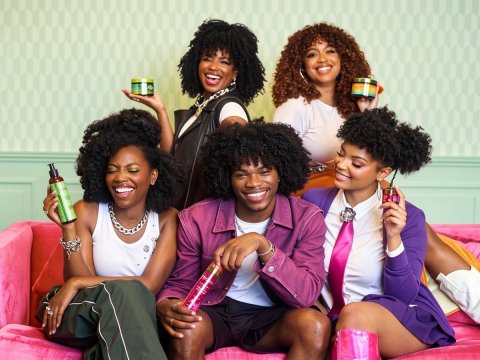
Dphue store review: what to know before you buy hair color care products
Official homepage: https://www.dphue.com
Haircare stores usually sell the color itself — the box dye, the salon gloss, the transformation. dpHUE sells the weeks in between: the storefront's opening line promises the shiniest, healthiest version of your hair between color applications, and the entire catalog is built for the maintenance arc that most brands treat as an afterthought. I browsed with roots that had crossed the acceptable threshold and a drawer of color-depositing conditioners that promised much and delivered brass. Here is the counter, decision by decision.
Door Policy: The Space Between
The homepage defines its territory in one prepositional phrase — between color applications — and the copy never pretends the brand does what the salon does. Claiming the maintenance window rather than the transformation targets the customer who colors regularly and fears the fade: the brand is not competing with the stylist, it is competing with the four weeks of dullness that follow the appointment, and the positioning converts a gap in the routine into the entire business. The between is the market, and the market was empty until the store moved in.
A Gloss That Carries the Store
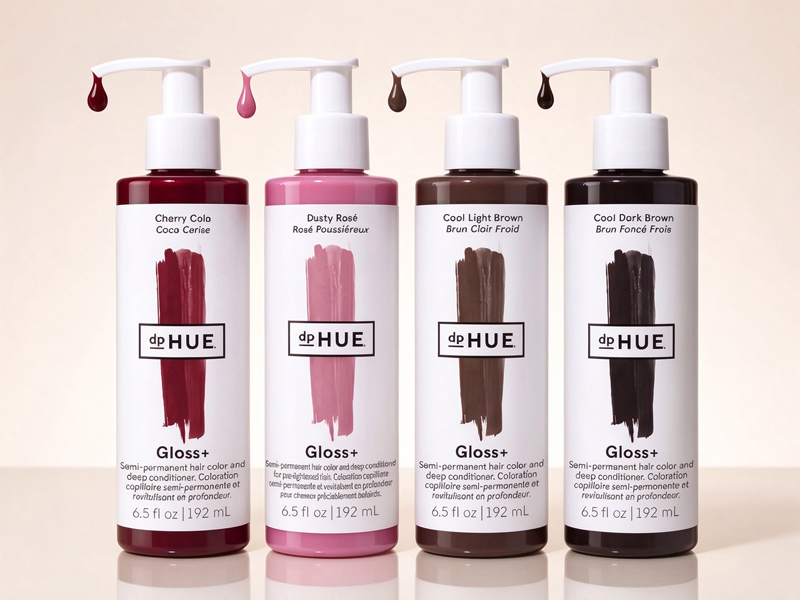
The flagship product is a color-depositing deep conditioner — a gloss in a tube, priced under twenty-five dollars, wearing badges for awards and best-seller status on the same card. Leading with the gloss targets the hesitant colorist: the risk is twenty-two dollars rather than two hundred, the application happens in the shower rather than the salon chair, and the product that refreshes color without permanent commitment is the gateway into the rest of the line. The gloss is the door; the door is affordable; the affordability is the strategy.
Apple Cider Vinegar as a Department
The second family wears a pantry ingredient as its name — apple cider vinegar, in a rinse, a scalp scrub with pink Himalayan sea salt, a detox treatment — each product explaining the pH science the vinegar performs. Building a department around a kitchen staple is ingredient legibility aimed at the customer who trusts what she can pronounce: the vinegar is familiar, the mechanism is explainable in one sentence, and the salt in the scrub gives the product a physical presence that chemical exfoliants lack. The pantry is the laboratory, and the laboratory smells like salad dressing, and the salad dressing is the science.
A Dry Shampoo With a Tint
The dry shampoo is not white — it is tinted, a light brown that blends into roots rather than dusting them with powder, the copy promising blend, refresh, and lift in one spray. Tinting the dry shampoo targets the dark-haired customer failed by every white dry shampoo on the shelf: the tint addresses the specific complaint of the coloring customer, the product solves a problem unique to the brand's audience, and the store has converted a commodity category into a color-aware one. The tint is the differentiation; the differentiation is the brand; the brand is the reason the customer came.
Samples Priced at a Quarter
The catalog's floor is nearly free — foil packets of the shampoos and glosses priced at twenty-five cents, shelved beside the full sizes, the price low enough to add to any cart without a second thought. Pricing samples this low creates a zero-risk audition for the color-cautious: the customer who fears the purple shampoo will stain, the gloss will tint too dark, the vinegar will smell, can test everything for the price of a gumball, and the store has converted its own cost structure into a customer-acquisition funnel. The quarter is the hook; the full size is the catch; the catch is guaranteed by the sample.
Two Languages on One Label
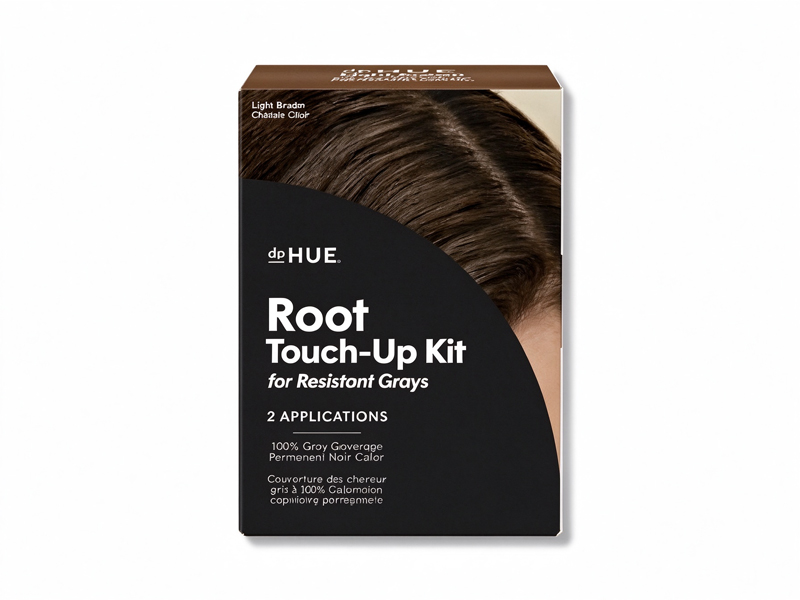
The packaging carries both languages — shampoo beside shampooing, conditioner beside après-shampooing, the apple cider vinegar named in French beneath the English. Bilingual packaging is market breadth without separate product lines: the label serves Canada and France from one inventory, the second language costs nothing extra to print, and the brand that respects the customer's first language has earned a loyalty that monolingual competitors cannot buy. The second language is the cheapest market expansion in retail, and the expansion is printed on the side of every bottle.
A Reality Star at the Brand Desk
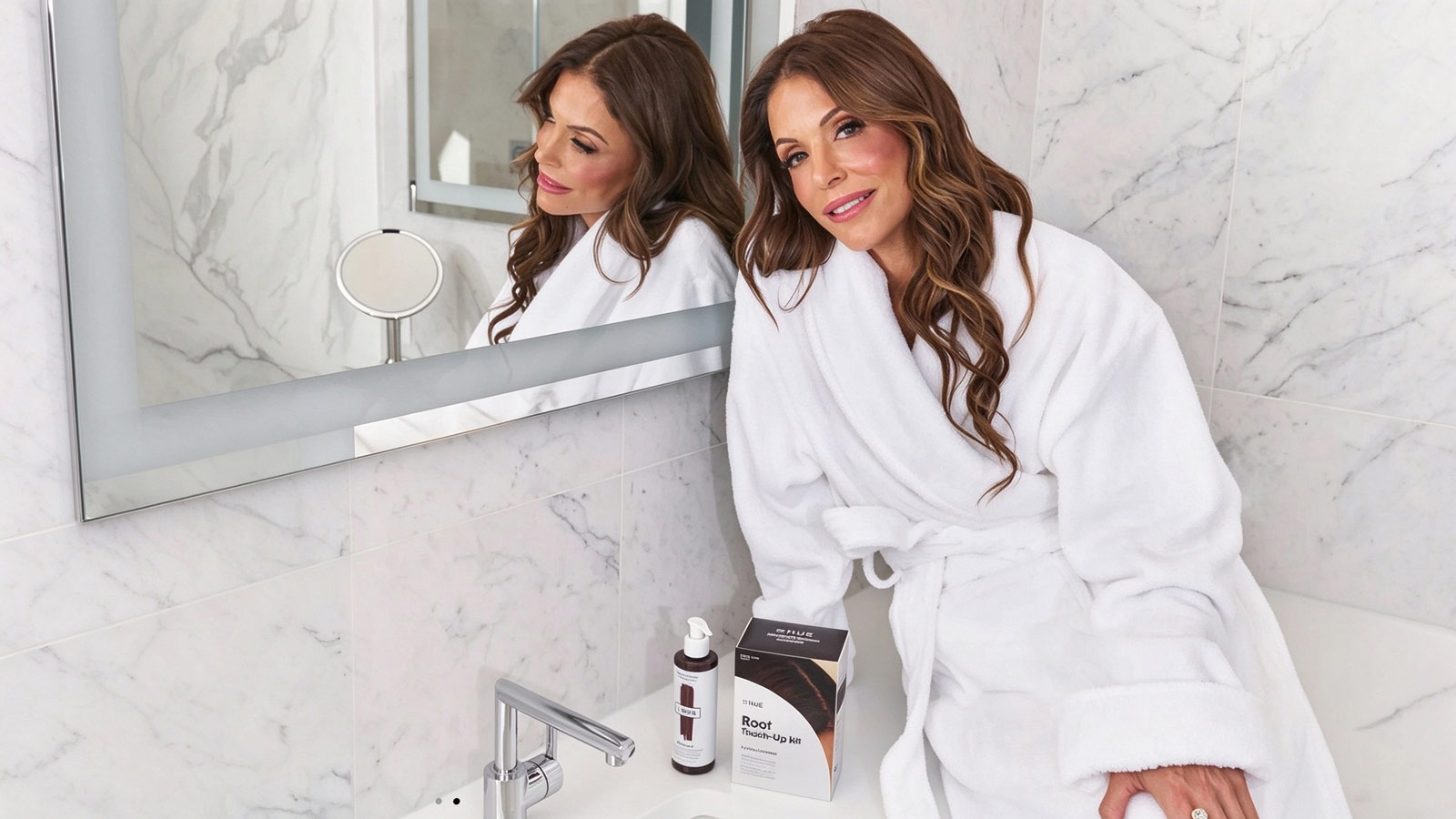
The homepage announces a new chief brand officer — a reality-television veteran and entrepreneur named Bethenny, welcomed to the crew with the fanfare of a product launch. Hiring a celebrity operator rather than a celebrity face is business credibility aimed at the customer who follows business news: the title is real, the operator built her own brands before lending her name, and the appointment says the company is run by operators rather than endorsers. The operator is the endorsement, and the endorsement has run companies, and the companies she ran are the resume.
Rules That Teach the Customer
The education section teaches rather than sells — five rules for color that actually lasts, an explainer on what semi-permanent color is, a guide to meeting the gloss routine — each article indexed by the questions customers type before they know the brand exists. Teaching the maintenance science is search acquisition aimed at the researcher: the articles rank for the problems, the problems lead to the products, and the store that explained the fade is the store that sells the fix. The rules are the funnel, and the funnel is free, and free funnels are the ones that never close.