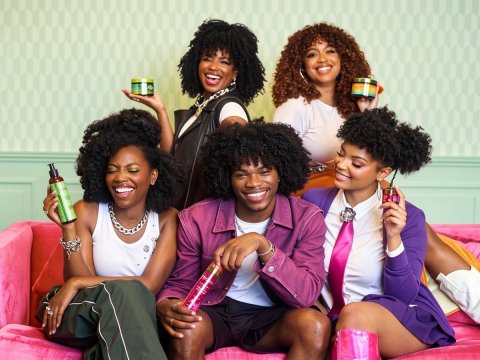
Curlsmith's gourmet counter: a curl quiz that teaches, wash-day aisles, zero-spoon shelves, subscriptions
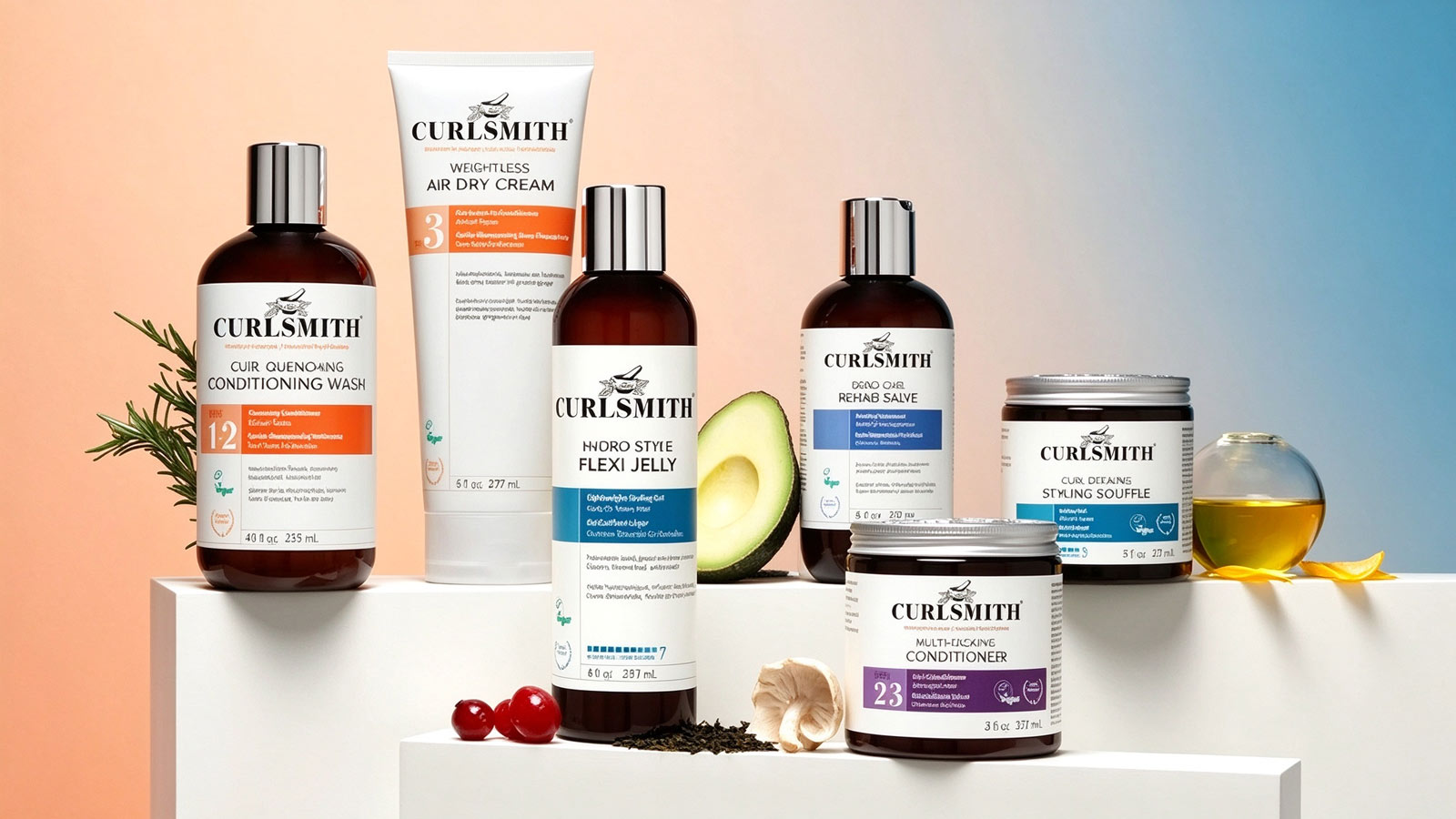
Official homepage: https://curlsmith.com
Hair stores usually open with a product grid. Curlsmith opens with a pantry — the brand calls itself gourmet curl care, built on the logic that the best curl recipes were being mixed in kitchens long before they were bottled. I browsed with two decades of failed curl products behind me and a weakness for brands that grew out of internet communities. Here is the counter, decision by decision.
Door Policy: Cuisine, Not Chemistry
The founding language borrows from cooking — fresh curl-loving foods, kitchen staples, rare organic ingredients — and the commitment arrives as a formula blacklist: zero spoons of sulfates, silicones, mineral oils, or phthalates, everything vegan, cruelty-free, and curly-girl approved. Framing the line as cuisine rather than chemistry lowers the guard of a customer burned by clinical jargon; a recipe feels safe to try, and the first sentence does the work of a landing page, a philosophy, and a compliance statement at once.
A Community Monetized, Not Manufactured
The brand existed before the products — a YouTube and Instagram community of curlies trading tutorials, asked often enough what they used that the answer became a line. Launching from an audience rather than a lab keeps paying forever: every product ships pre-endorsed by the people who requested it, the launch calendar is written by the comments section, and the social proof is inherited rather than purchased — the cheapest trust in the category.
A Quiz That Teaches Before It Sells
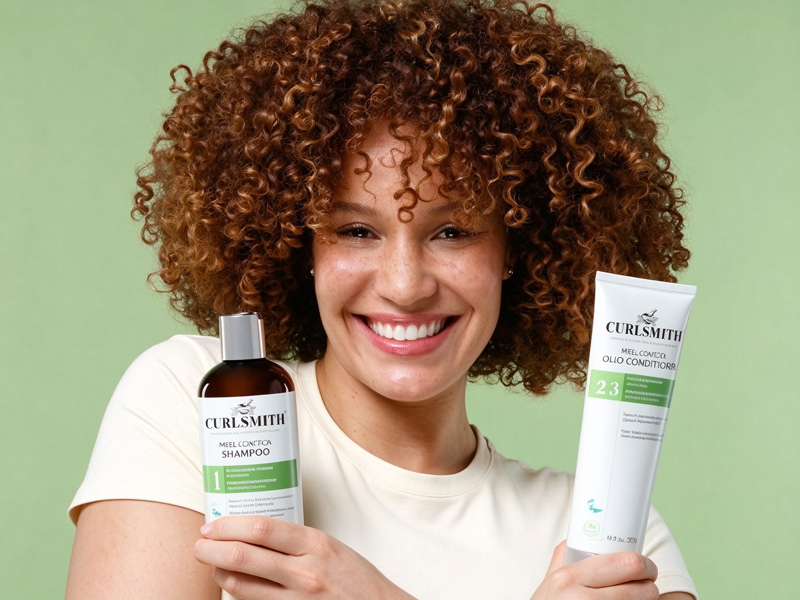
The Curl ID quiz is the store's chief salesperson, and its job description is education first. Each question is framed so the answer teaches what that element of hair actually is; the results page explains before it recommends, then offers a complete routine with one-click add to cart. The answers feed personalized email flows, and the company publishes the receipts — a hundred thousand subscribers, an eighty-nine percent completion rate — running a quiz as infrastructure, not a pop-up.
Navigation Rebuilt Around Wash Day
When the brand rebuilt its site, it re-shelved the catalog by the customer's calendar rather than its own categories — products listed by their place in wash day, with how-to videos and image-led browsing sorted by curl pattern. The routine becomes the map: a shopper who learns the sequence returns for the next step, each step has a shelf waiting, and the brand stops competing on product pages because it owns the order of operations.
Three Needs, Three Sections
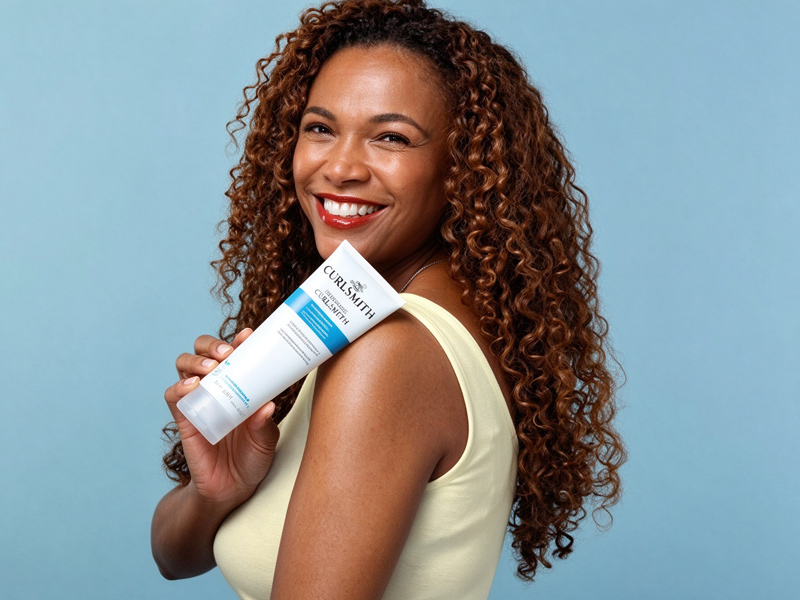
Beneath the flow, the catalog divides into strength, moisture, and scalp — the three complaints curls actually have. The newest formulas keep the arithmetic public: a definition cream citing seventy-two hours of curl retention and five times less frizz, a leave-in spray citing three ceramides and fifty percent more moisture, each figure asterisked to third-party testing. Test data printed beside the promises is a claims discipline that prices premium formulas above the adjective-only competition.
Subscriptions With the Exit Lit
The subscribe-and-save fixture offers fifteen percent and free delivery with both escape clauses printed in full — skip or cancel any time. An exit as visible as the entrance is churn management disguised as confidence: a subscriber who knows she can leave stays for years, while one who must hunt for cancellation tells the group chat. The policy is cheaper than any win-back campaign.
Retail Split Without Fear
The same bottles sit in Ulta, Sephora, and Amazon, and the store says so without flinching. Rather than fighting its own shelf space, the direct store sells what retail cannot stock — the quiz, the routine, the community — and lets the mall handle impulse. The website becomes the classroom, the aisle becomes the vending machine, and each feeds the other without either cannibalizing.