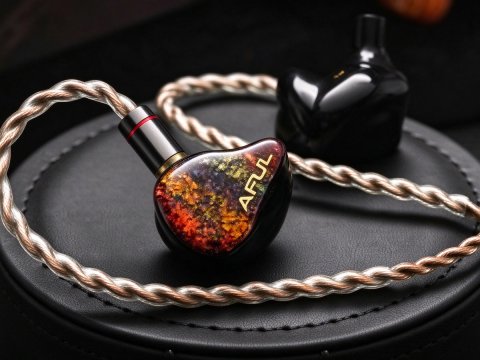
Campfire audio's portland bench: driver aisles, legacy shelves, custom ear-impression fittings, quiet advice
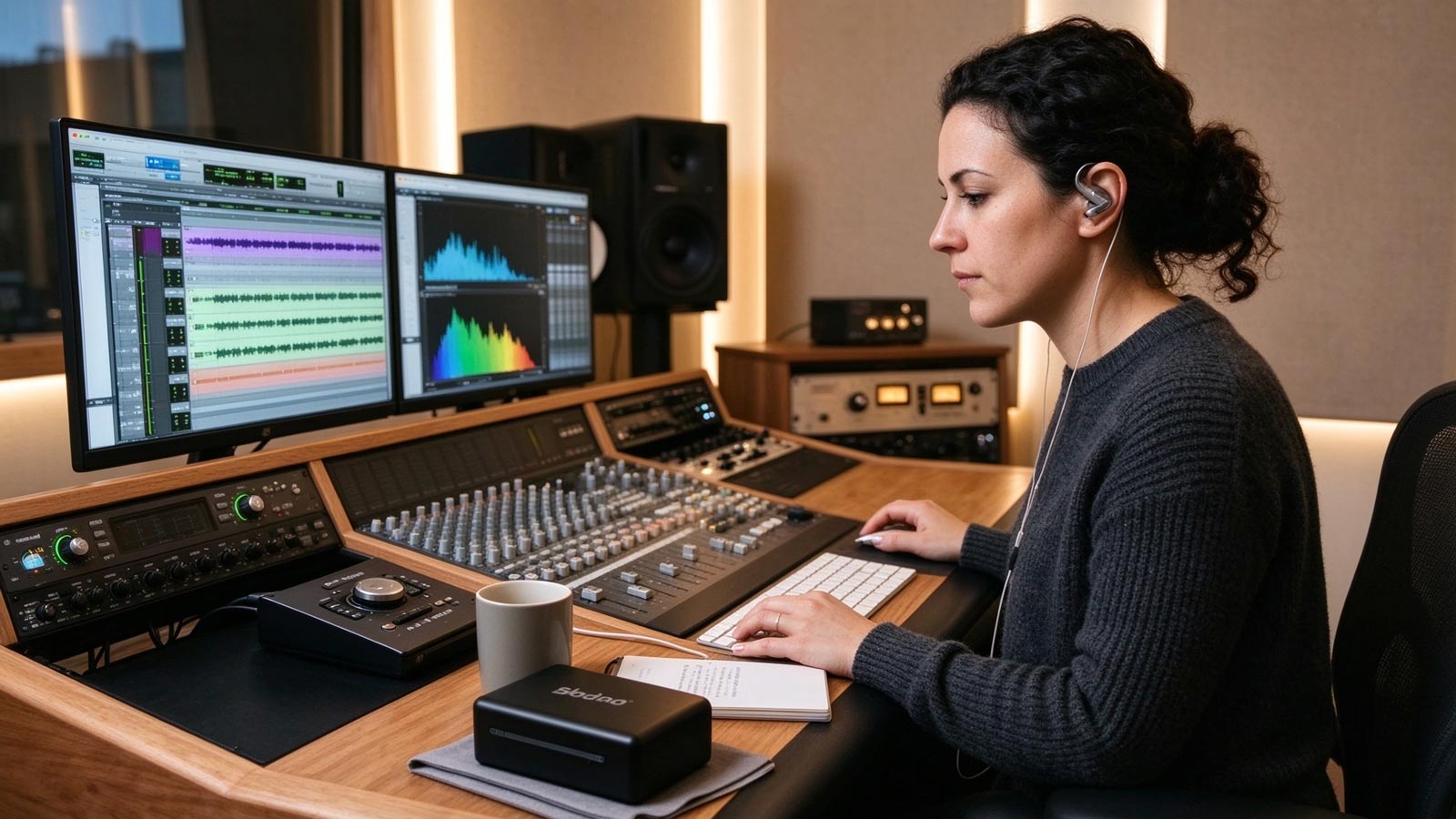
Official homepage: https://www.campfireaudio.com
Headphone stores usually organize by use case — commuting, gaming, studio. Campfire Audio organizes by driver and by tuning, and that choice is the first business decision visible from the door: this counter serves listeners who already know what a balanced armature does, and it means to keep them for years. The shop is hand-built in Portland, a fact stated on the collection page before any price appears. I browsed with a mid-fi past and a weakness for workshops that publish their own archive. Here is the bench, decision by decision.
Positioning Tag: Hand-Built, Printed Where Prices Should Be
The workshop label leads the catalog copy rather than the footer — “each model is hand-built” sits beside the product grid. In a category that sells millions of units, the store leads with the smallest possible one: a single pair, assembled in Oregon. The claim costs nothing to print and everything to keep, which is exactly why it reads as positioning instead of decoration.
Navigation as Infrastructure: Driver First, Taste Second
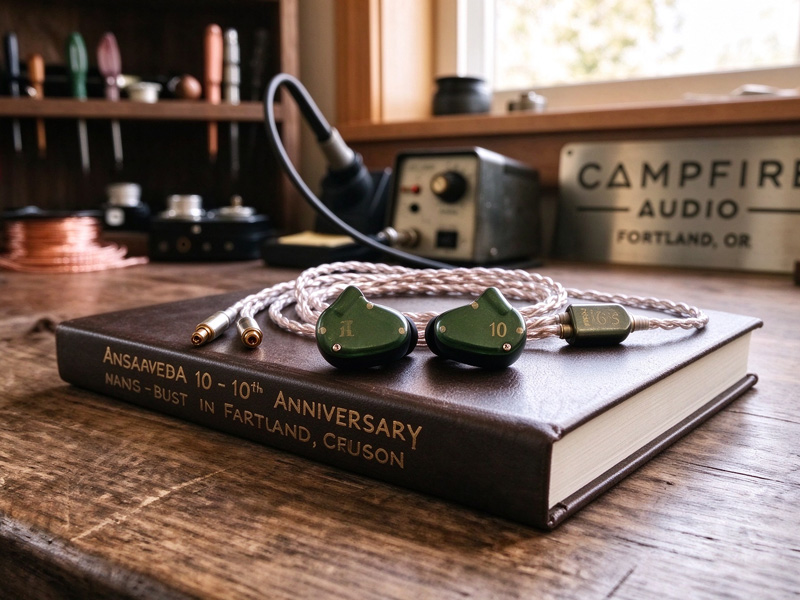
The menu runs two intersecting systems. Driver technology — balanced armature, dynamic, hybrid, planar — is the engineering alphabet. Sound signature — neutral and detailed, warm and relaxed, bold and energetic — is the shopper’s native language. Either one works as an entrance, and the collection page prints the route out loud: decide how you like your sound, then filter by driver and price. The taxonomy is the sales associate, on duty around the clock.
Inventory Policy: The Archive Stays on the Floor
The main collection is described as the place to browse current and legacy models in one view — discontinued flagships standing beside their successors, configurations listed like provenance. Most audio shops quietly delist the old generation to protect the new. This one keeps the archive stocked and visible, an inventory decision with a customer-facing payoff: longtime buyers learn a purchase here will not be memory-holed at the next launch, and newcomers can trace the lineage they are joining.
Service Lines: Two Fitting Rooms, No Steering
One department is universal-fit — precision nozzles and eartips, easy to drive from a phone or portable DAC. The other is custom-fit — ear impressions taken by an audiologist, returned as personalized IEMs with superior isolation. The store states the price difference, explains the wait, and declines to push. Two honest service lines under one roof is a deliberate design: it houses the audiophile upgrading on a budget and the working musician in the same building, without making either feel like the wrong customer.
Product Copy: Selling What Sound Is Like
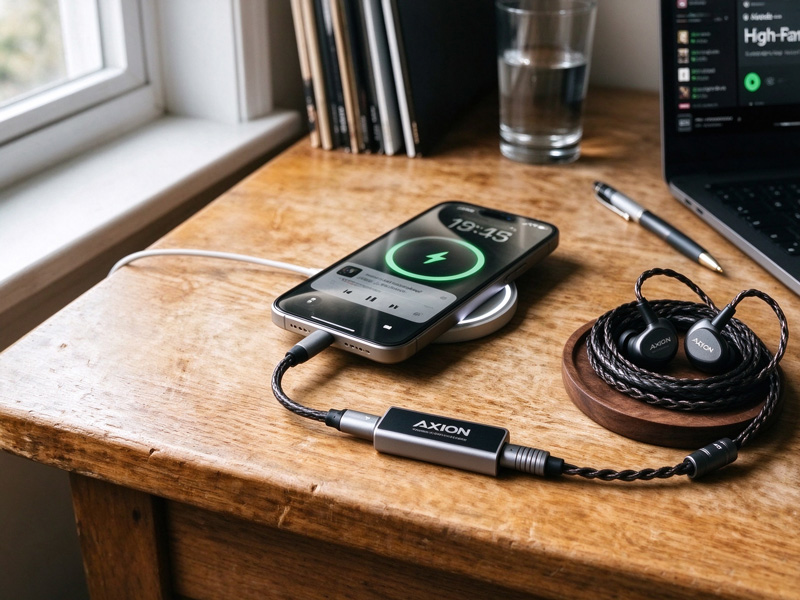
Each product page is built around tuning, use case, and key sonic traits — the vocabulary of describing what a thing sounds like rather than what it cost to manufacture. Genres are named. Everyday listening is named. Nothing is “reference-grade” without an explanation of what that means for an actual music library. In a market where flagship pages read like aerospace spec sheets, this is a copywriting decision: convert the experienced listener by sounding like a listening room, not a datasheet.
The Staff, Printed and Shelved
The FAQ does not hide behind a support link — it lives on the collection page itself: driver differences, fit options, source matching, cable compatibility. Every question a first-time IEM buyer would hesitate to ask is answered before it is asked, in the same register as the product copy. Shelving your own pre-sales advice is a cost decision as much as a service one: it answers a thousand emails once, and it never sighs.