At pachamama, shareholders grow beans: five co-ops, farmer prices, rainbow labels, regenerative seals
Official homepage: https://pachamamacoffee.com
Coffee stores usually tell you where their beans come from. Pachamama tells you who owns the store. The storefront opens with the structure itself — a global cooperative of more than four hundred thousand smallholder farmers across Peru, Nicaragua, Guatemala, Mexico, and Ethiopia, every seat in the boardroom held by the people who grow the coffee. I browsed with the usual fatigue for ethical-sourcing claims and a professional interest in what happens when ownership replaces adjectives. Here is the counter, decision by decision.
Door Policy: The Cap Table as the Pitch
Every fair-trade brand promises farmers more money; this store's founding claim is that the farmers own the entire business — the brand, the California roastery, the five Sacramento cafés, and every cup sold. Leading with ownership rather than origin short-circuits adjective fatigue: when the growers set the price, ethical stops being a certification and becomes a legal structure, enforceable and boring in the way good structures are, and the store says so before it says a word about flavor.
Provenance Organized by Owner
The catalog's hidden architecture is cooperative — five founding organizations named like departments: Prodecoop in Estelí, Manos Campesinas in Quetzaltenango, La Unión Regional in Huatusco, Oromia in Addis Ababa, COCLA in Cusco. Shelving provenance by who grows it, instead of by roast or tasting note, turns each bag into a shareholder report the customer reads with her morning cup, and it makes origin — the most abused word in coffee — a set of accountable institutions with addresses and elections.
Pricing as Published Doctrine
The store prints its economics: farmer-owners set their own prices, all profits flow back to the cooperatives, and the company has defended the doctrine publicly when commodity markets spike — ownership, not charity, is what keeps farm-gate prices stable while speculative futures whipsaw. Printing pricing policy where other stores print cupping scores converts every purchase into a referendum on how coffee should be traded, and it hands the subscription a political identity no flavor profile could carry.
Certifications Stacked Newest First
The awards shelf is specific — the 2021 Specialty Coffee Association sustainability award for business model, gold at the 2024 Sustainable Food Awards, B Corporation status, USDA organic since 2006, and most recently Regenerative Organic Certification for the Peru and Machu Picchu lots, a standard that audits soil, animal welfare, and farmer equity together. Leading with the newest and hardest certification, while noting the indigenous practices it ratifies are centuries old, keeps the wall from reading as vanity — the seals serve the story, never the other way around.
Packaging Built From the Farms
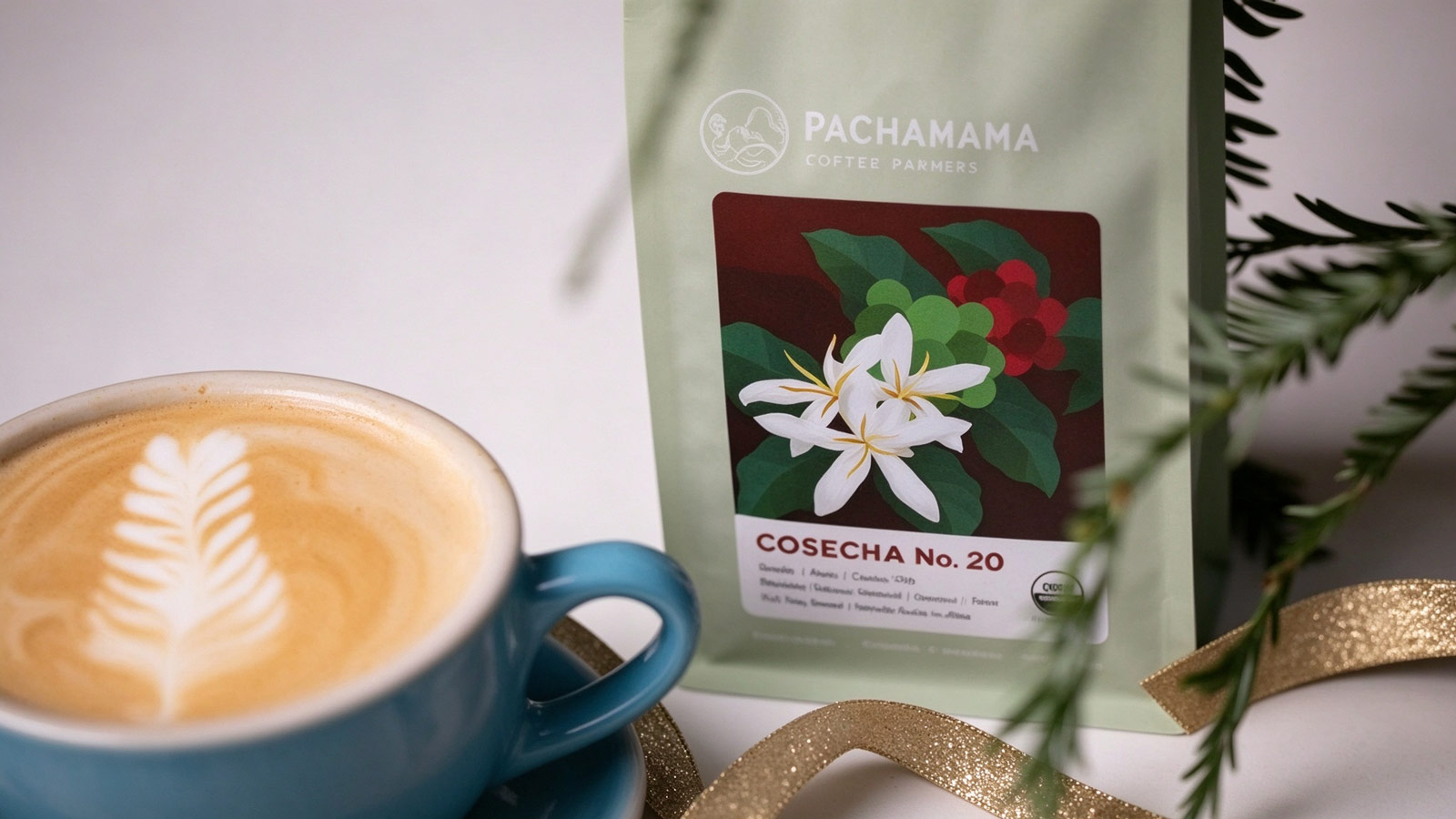
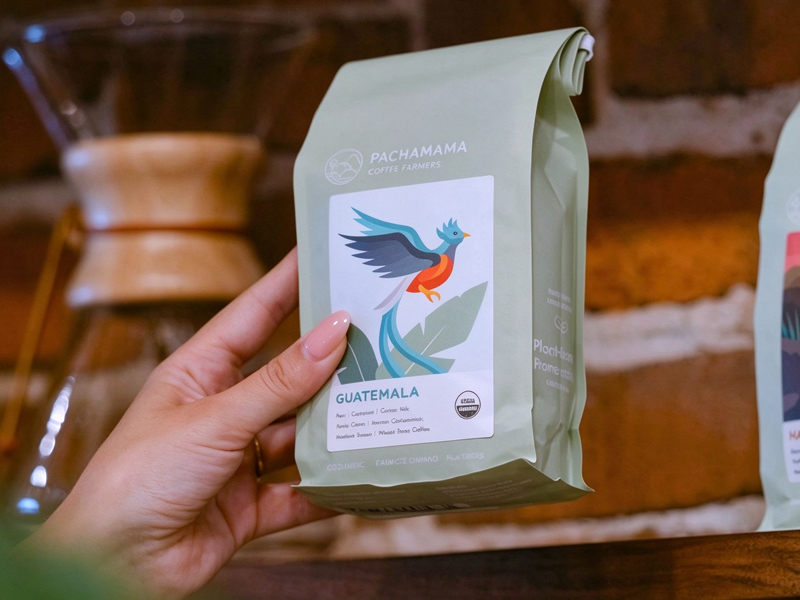
When I visited, the homepage was wrapped around a photograph of Peru's rainbow-striped mountains, and the newest blend, Inca Mountain, translated those stripes into layered bands of label color; the Guatemala bag carries a quetzal, the half-caff a fox, each origin wearing its own icon. Sourcing the design system from the landscapes and fauna the shareholders actually farm closes the loop the ownership story opens — the customer holds the mountain on her counter, and the bag becomes the most legible page of the annual report.
A Free School Protecting the Product
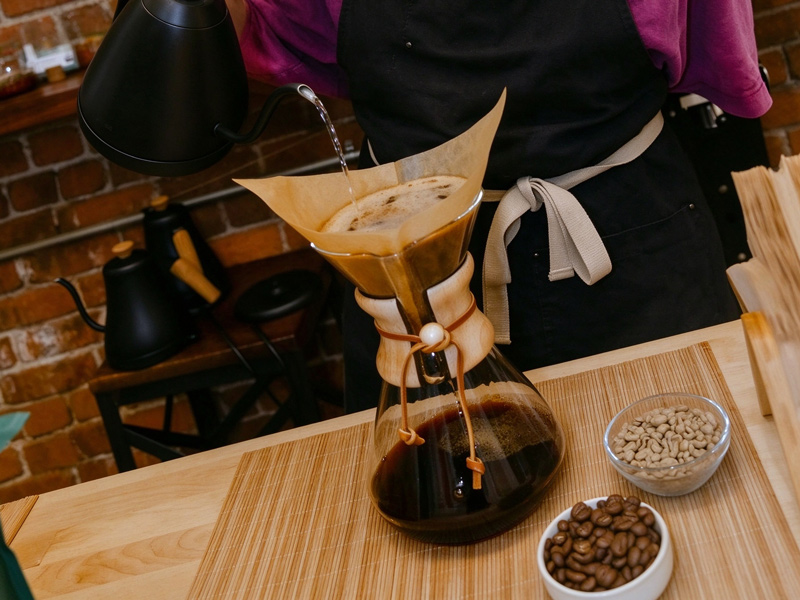
Beneath the commerce sits a permanent, ungated classroom — step-by-step guides for French press, pour over, cold brew, and espresso. Giving brewing education away is quality control aimed at the weakest link in any coffee purchase: the customer. A shareholder-owned brand cannot afford for its coffee to taste bad in a stranger's kitchen, so the school guards the product after the sale, one extracted recipe at a time, at zero margin and full effect.
Subscriptions as Membership
The subscription front door offers free shipping and a standing welcome discount, with cooperative terms underneath — pause, skip, cancel — and the whole plan framed as the descendant of a record-setting coffee CSA, one of the first farmer-owned community agriculture experiments on the internet. Positioning the recurring order as membership in a structure rather than convenience in a box builds retention no discount code can copy, because what renews is not the coffee but the belonging.