Amika store review: what to know before you buy hair styling products online
Official homepage: https://www.loveamika.com
Hair-styling stores usually open with a problem — frizz, damage, dullness — and sell the chemistry that fixes it. Amika opens with a mood: the homepage when I visited was a wall of psychedelic flowers in hot pink and tangerine, the copy promising joy and care for all hair, and not a single worry in sight. I browsed with a medicine cabinet of clinical white bottles and a curiosity about whether happiness could be a formulation. Here is the counter, decision by decision.
Door Policy: Joy as the Ingredient
The mission statement arrives before the products — clinically proven, trusted by stylists, kind to the planet — and the first noun in the sentence is joy, a word most beauty brands would edit out as unserious. Leading with joy rather than efficacy targets the customer exhausted by the industry's deficit model: the copy does not tell her what is wrong with her hair, it promises the bottle will make her feel something, and the salon-born credibility printed beside the emotion keeps the claim from floating away. The joy is the differentiator; the proof is the anchor; the pair is the pitch.
Flowers That Refuse to Be Minimal
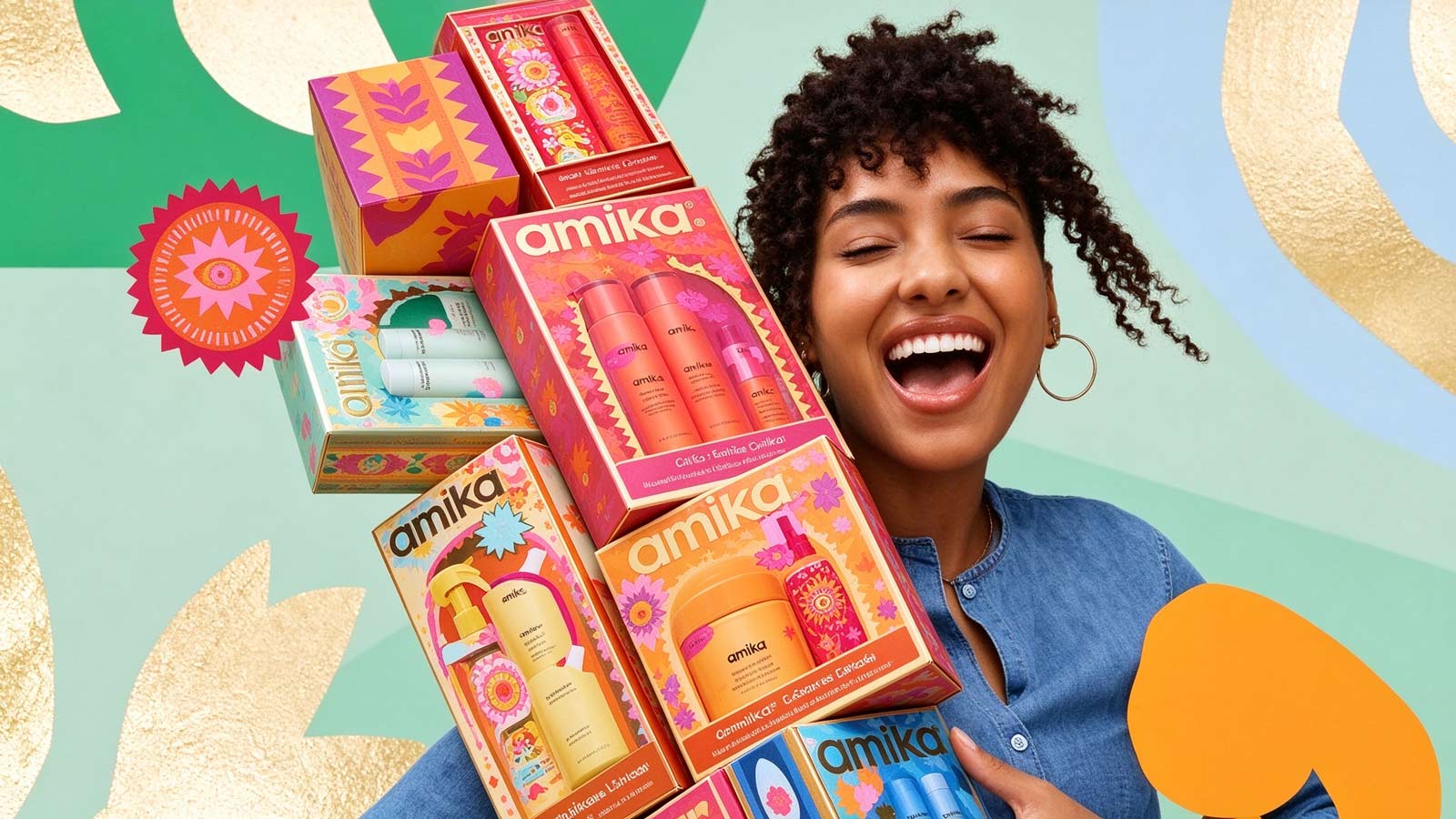
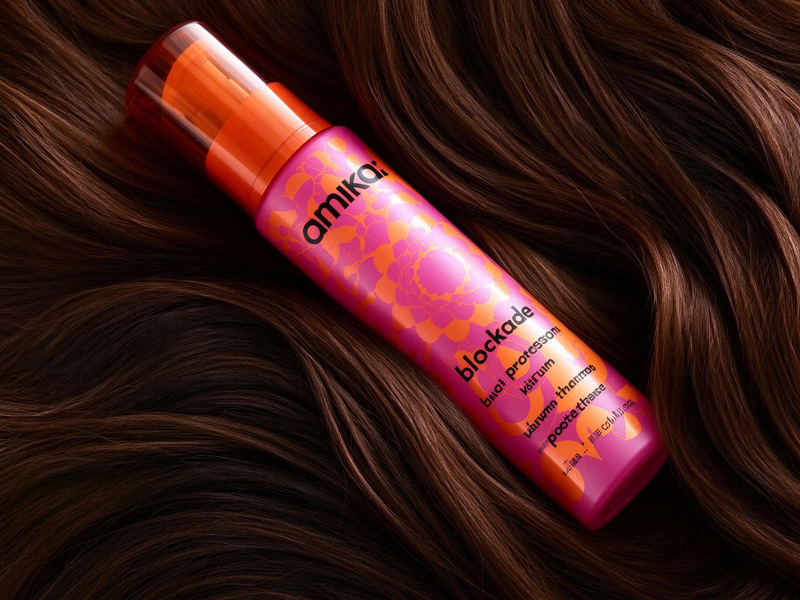
The packaging system is unmistakable — swirling seventies florals in saturated color, every bottle and box wearing the same garden. Committing to maximalist visual identity targets the customer who shops with her eyes: the bottle that looks like a mood ring among a wall of clinical white is the bottle that gets picked up, the design carries the brand into every bathroom photograph, and the store has made its packaging do the advertising. The flowers are the billboard, and the billboard travels home in the customer's hand, and it stays on the shelf long after the product is gone.
Clean Without the Lecture
The formula promise is printed in four words — kind and clean, always cruelty-free, no nasty ingredients — and the copy moves on without elaboration or fear-mongering. Keeping the clean claim this short targets the ingredient-literate buyer who has read enough lists: the exclusions are implied rather than itemized, the cruelty-free is stated as fact rather than virtue, and the brevity reads as confidence that the formula survives scrutiny. The store does not argue about clean; it assumes the position and spends its words on joy, which is the better spend.
Affirmations in a Spray Bottle
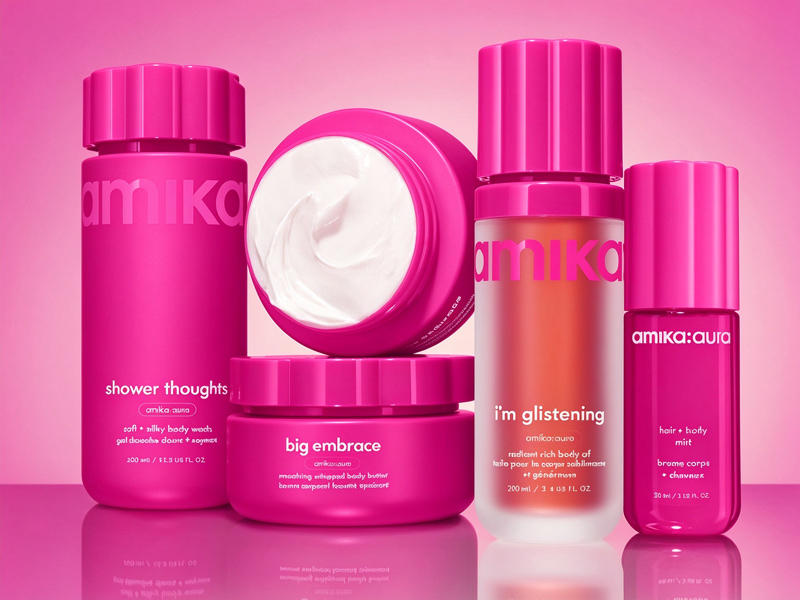
The newest line extends beyond hair — a hair and body mist whose bottles wear sentences instead of names: you smell so good, your aura is magic, will cause compliments, emotional support spritz. Naming products after affirmations targets the impulse buyer: the bottle says what the giver is too shy to say, the sentiment is the product, and the mist becomes a card that costs more than a card and lasts longer. The affirmation is the ingredient; the scent is the delivery mechanism; the delivery is a compliment nobody had to say out loud.
A Quiz and a Builder, Side by Side
Two tools sit between the browsing and the cart — a quiz that curates a routine for the customer's hair or her loved one's, and a bundle builder that lets her assemble her own set and watch the savings accumulate. Running both tools serves two shopping modes at once: the quiz serves the uncertain, the builder serves the decisive, and either path ends at a cart that feels personally engineered. The tools are the salespeople, and neither one works on commission, and neither one ever gets tired.
A Brazilian Artist on the Gift Shelf
The holiday boxes carry a named collaborator — a Brazilian artist commissioned to turn stylist-loved routines into giftable works of art, his florals wrapping the sets so the customer can skip the wrapping paper. Commissioning a named artist targets the December buyer: the box is too beautiful for the bin, the collaboration gives the gift a story beyond the product, and the recipient keeps the packaging long after the bottles are empty. The artist is the gift; the shampoo is the souvenir; the souvenir smells like the garden.
Free Grip Socks for the Winter Workout
A seasonal promotion sat mid-page when I visited — spend a hundred dollars and receive a two-pack of grip socks, the copy inviting customers to bring the brand into their winter workout. Giving away a non-haircare item targets the workout crossover: the socks belong to the pilates and yoga hour the customer moves through between washes, and the gift says the brand lives in her whole routine rather than only her shower. The grip is the joke; the hundred-dollar threshold is the punchline; the punchline pays for the socks.
All Hair Is Welcome, in Writing
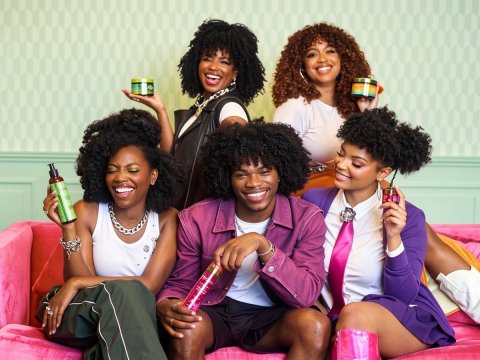
The copy addresses its audience in the full grammar of the present — a friend to hair, hairstylists, her, him, them, and you — and the phrase all hair is welcome appears where a store would normally segment by gender. Refusing gender segmentation targets the household rather than the demographic: the bottle on the shared shelf belongs to everyone who reaches for it, and the copy has quietly doubled the addressable market without designing a single extra product. The welcome is the segmentation, and it segments nobody out, and nobody out is twice the market.