A skeptic's guide to sensibo: the cloud-first smart AC store worth the subscription?
Official homepage: https://sensibo.com
Smart home stores usually sell you a hub, a bridge, and a bill of subscriptions. Sensibo sells the opposite promise: a small white puck that sticks to your wall, talks to your existing air conditioner's infrared remote, and turns the dumbest appliance in your home smart in about fifteen minutes — no hub, no wiring, no technician, and a free tier that covers the basics. Founded in Tel Aviv in 2013, the company has quietly become the reference name in smart AC control, with more than 400,000 users worldwide, a Shopify storefront doing roughly 190,000 visits a month alongside a heavy Amazon presence, and the kind of press shelf — The Verge, TechCrunch, Forbes — that most gadget startups never touch. I went through the lineup, the software tiers, and the complaint record. Here is the store across its dimensions.
The Fifteen-Minute Promise
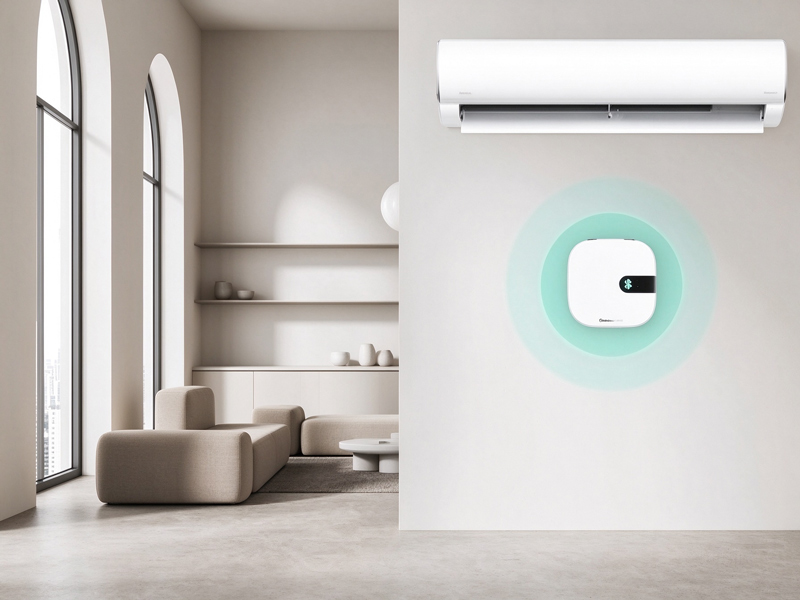
The pitch is disarmingly simple. Most of the world's air conditioners — window units, portable units, mini-splits — speak infrared and nothing else. The Sensibo puck learns your remote's commands during setup, pairs to your 2.4GHz WiFi, and from that moment your phone becomes the remote: schedules, timers, geofencing-based on-and-off, and a "Climate React" engine that triggers rules off temperature and humidity. Setup requires no tools, no cloud of confusing blinking lights, and — per the site — about one minute of QR-code pairing. For renters especially, it is the rare smart home upgrade you can uninstall and take with you when the lease ends.
The Shelf: Sky, Air, and Air PRO
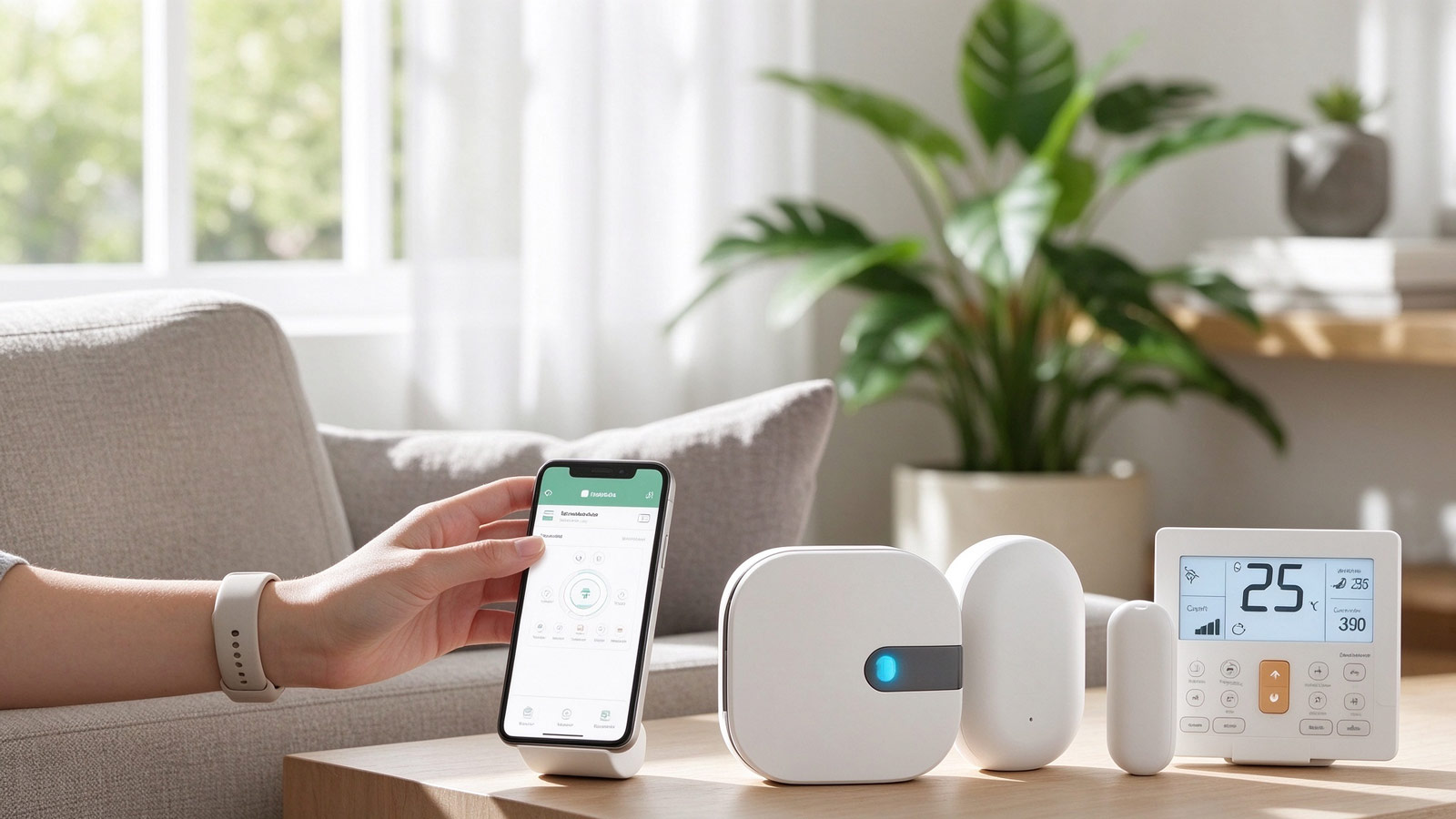
The lineup runs three tiers. The Sensibo Sky ($99–$124) is the entry workhorse: full remote control, temperature and humidity sensing, Alexa, Google, and Siri Shortcuts support, but no HomeKit. The Sensibo Air adds HomeKit at a mid-range price and pairs with external room sensors. The Air PRO tops the range at roughly $125–$150 and folds an indoor air quality monitor into the same device, reading CO2, TVOCs, PM2.5, temperature, and humidity while still controlling the AC — the model the store's own comparison guide recommends. Around the controllers sit accessories: room sensors, door-and-window sensors that pause the AC when a window opens, and the standalone Sensibo Elements air quality monitor. Product pages carry verified buyer scores in the 4.6-to-4.8 range.
The Software Dividend
Sensibo's real product is the app, and this is where the skeptical read starts. The free tier covers remote control, basic scheduling, voice assistants, and automation — genuinely functional. But the features enthusiasts rave about — advanced geofencing, seven-day scheduling history, utility-rate integration, energy usage tracking, anti-mold protection, and the AC health check — sit behind Sensibo Plus at roughly $2.49 a month. Rivals like Cielo ship every feature free, which makes the subscription the deal's honest friction point. The counterweight: Sensibo's automation engine, particularly Climate React, is consistently rated the most reliable in the category by hands-on reviewers.
The HomeKit Gate
Ecosystem support is tiered, and the tiers matter. Apple HomeKit — including Siri control — requires the Air or Air PRO; Sky buyers get Alexa, Google Home, IFTTT, and Siri Shortcuts but no native Home app. There is a deeper architectural caveat the reviews surface: control runs through Sensibo's cloud servers rather than locally, so an internet outage sidelines remote control, and if someone adjusts the AC with the original remote, the app can lose track of the true state. Home Assistant users can integrate via the Sensibo cloud API, but purists seeking fully local control will point you at wired alternatives instead.
The Storefront Mechanics
The Shopify store is lean and functional: roughly seventeen products, free shipping on orders of two or more items, a one-year warranty included, easy returns, and multi-packs that bundle three Sky units at a discount — a nod to the common pattern of one puck per room. The site leads with an energy-savings model claiming up to 40 percent off cooling and heating costs, shows its math with a year-by-year savings curve, and surfaces verified reviews prominently. Between the direct store and Amazon, availability is never the problem — the choice is really about which channel's returns policy you prefer.

The Business Behind the Box
The numbers give the skeptic less to work with. Sensibo has been profitable-leaning and growing: the company's performance marketing partner reports 35.4 percent gross profit growth from 2023 to 2024 across its Shopify store and Amazon channels, with return on ad spend improving 21 percent year over year. Founded over a decade ago — an eternity for an IoT startup — it has outlasted an entire generation of hub-and-subscription competitors by staying narrow: AC control first, air quality second, and no ambition to become a whole-home platform.
The Skeptic's File
The honest ledger, then. No physical controls on any device: when your phone is dead or a guest wants to nudge the temperature, there is nothing on the wall to press. Cloud dependence for core functions. The Plus subscription for advanced automations that competitors give away. Infrared line-of-sight requirements, and state-tracking quirks when the original remote gets used. And pricing that runs above wired alternatives — a Faikin-style Daikin module costs roughly half and offers bidirectional local control, at the cost of opening your indoor unit and brand lock-in. None of these are disqualifying; all of them belong in the buying decision.
Parting Words
Sensibo is the polished, renter-safe answer to smart AC control: the best app in the category, genuine HomeKit support at the mid-tier, air quality folded into the flagship, and a business healthy enough to still exist when the warranty runs out. You pay for that polish — in hardware price and, partially, in subscription. If you want the strongest software with the least installation risk and do not mind $2.49 a month, this is the store. If you want zero subscriptions and physical buttons, look at Cielo; if you want local control and own a compatible mini-split, look wired.