A navy veteran brewed the original nitro cold brew in texas first
Official homepage: https://cuveecoffee.com
Long before nitro cold brew appeared on every Starbucks menu, a Navy veteran in a Dallas warehouse was quietly inventing it. Cuvée Coffee was founded in 1998 by Mike McKim as a roasting hobby mentored by his uncle, grew into the roaster behind some of Texas's most influential cafés, and eventually produced Black & Blue — the company's own first-to-market claim as the original nitro cold brew, brewed with beer equipment in what Cuvée calls its cold coffee brewery. Twenty-eight years later, the Austin company still roasts, brews cold coffee, trains baristas, and operates a tap-room-style bar on East Sixth Street. This review examines the store behind Texas's quiet coffee pioneer.
A Dallas Warehouse Hobby Started the Whole Thing
The founding story is almost defiantly low-key. In 1998, Mike McKim — a U.S. Navy veteran — began experimenting with a coffee roaster in a Dallas warehouse, mentored by his uncle, and discovered that the product he was making for himself was in greater demand than anything he had planned to sell. There was no venture capital, no third-wave manifesto, no café concept. Cuvée simply roasted well, word spread, and the company relocated to Austin as Texas's specialty coffee scene began to form around it. By the time the national press discovered Austin as a coffee city, Cuvée had already been roasting there for the better part of two decades — which is why locals describe the company, without exaggeration, as the pioneer of specialty coffee in Texas.
Seventeen Years of Wholesale Before the First Bar
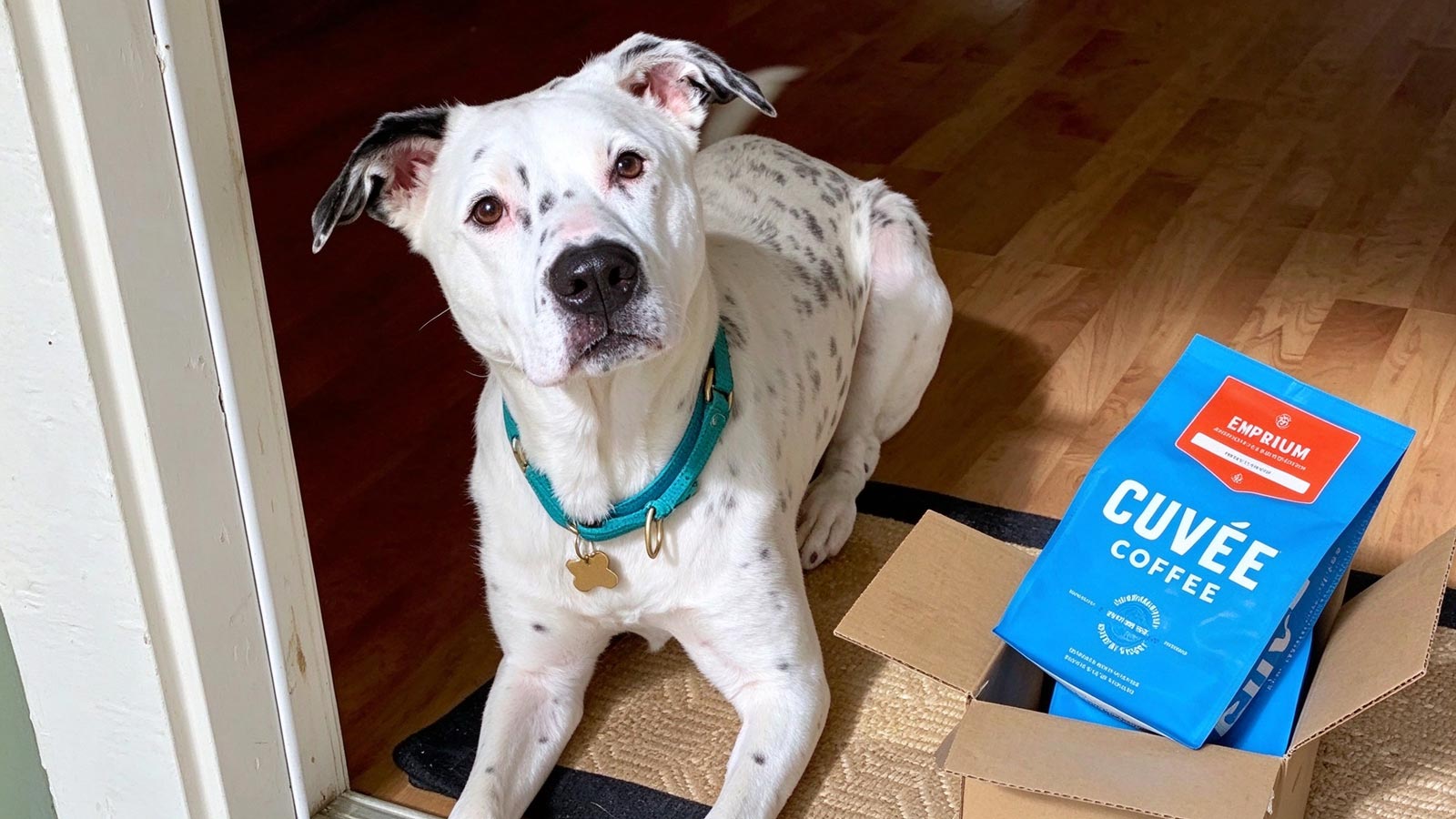
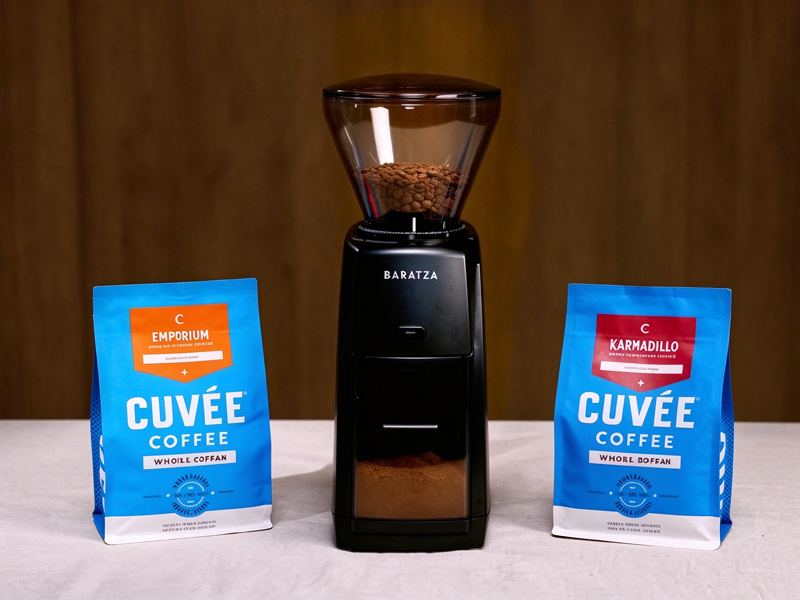
For its first seventeen years, Cuvée sold almost entirely to other people's cafés — and the list reads like a history of Texas third-wave coffee. Caffe Medici, Houndstooth, and Once Over, three of the state's most influential coffee bars, all served Cuvée as their primary roaster at one time or another. The light-blue bags became a shelf signature across the city, and the wholesale business funded a training facility that taught a generation of Texas baristas. Only in August 2014 did the company open its first permanent retail bar — on East Sixth Street, in a raw warehouse space with concrete floors and exposed pipe. The delay was not hesitation; it was note-taking. The bar that finally opened was engineered from seventeen years of watching what customers actually do.
Career Funk Produced the Bar Nobody Expected
The origin of the Sixth Street bar is a story worth retelling because it explains the design. Around 2013, McKim described himself as bored with an industry he felt had gone stagnant, and fought the boredom the way consultants recommend: he made a list of creative thinkers outside coffee — brand builders and entrepreneurs he respected — and took each one to coffee. The conversations refocused his vision, and the result was a bar that borrows its flow from quick-service restaurants like Chipotle: choose a cup size at the first station, pick from rotating espressos, move to the steaming station, then pay. The centerpiece is a custom hexagonal island bar with twelve taps — one pouring Black & Blue nitro, the other eleven dispensing craft beer and wine. A coffee bar that treats beer as a first-class citizen was, in 2014, genuinely new — and it made the space as much an evening destination as a morning one.
Black & Blue Claims the Nitro Crown in a Can
The company's flagship claim is Black & Blue, which Cuvée describes as the original nitro cold brew — first to market and award-winning — brewed in a dedicated cold coffee brewery using traditional beer-brewing equipment. The nitrogenation gives the cold brew a cascading, stout-like pour and a creamy texture without dairy, and the signature blue packaging made it one of the most recognizable cans in the refrigerated coffee case. The line has since extended into flavored canned variants — black coffee, hemp-oil-infused, and horchata among them — distributed across Texas and into neighboring states. Whether or not one credits the "original" claim absolutely, the beer-brewery approach predates the nitro cold brew boom by years, and the equipment investment is the kind only a genuinely convinced company makes.
The Store Sells Beans, Brew, and Bar Culture Together
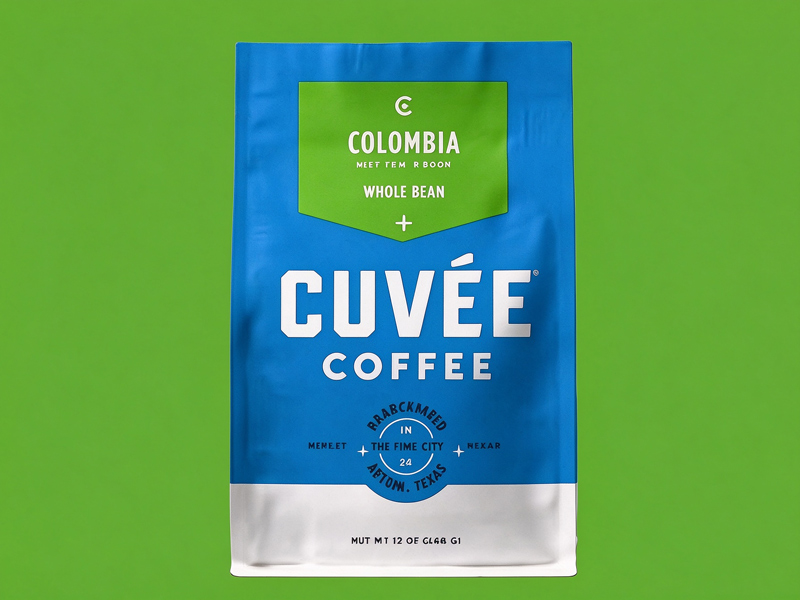
The Shopify storefront stitches the company's three identities into one catalog. Whole-bean coffee leads — rotating single origins and blends with the light-blue brand identity carried through the packaging — alongside subscriptions for regular delivery. The cold side of the business takes up real shelf space, with Black & Blue and its variants available in multi-packs. Around the edges sit brewing gear, branded merchandise, and a locator for the East Sixth bar, whose beer-and-wine tap list is treated as a feature rather than a footnote. For a roaster whose revenue historically came from other cafés' counters, the direct store is the first time Cuvée has presented the full story to shoppers itself.
The Honest Caveats Before You Commit
The company self-distributes, so availability outside Texas is thinner than national marketing would suggest — shipping canned cold brew is expensive, and the refrigerated network barely exists. The tap-room concept means the flagship experience is location-bound: online buyers get the beans and cans, not the twelve-tap bar. Rotation-first sourcing brings the usual specialty caveat that specific origins cycle out of stock. And the "original nitro cold brew" claim, while serious, sits in a contested historical lane where Portland and New York operators advanced similar ideas in the same era — Cuvée's equipment-forward case is strong, but absolutes in coffee history rarely survive scrutiny. None of this diminishes the roast; it simply calibrates the legend.
Twenty-Eight Years In, Texas's First Roaster Still Leads
Cuvée's significance is easy to miss precisely because it was early rather than loud. It roasted before Texas had a specialty scene, trained the baristas who built that scene, supplied the cafés that defined it, waited seventeen years to open its own bar, and put nitro cold brew in a can before the category had a name. The store today is the retail expression of that patience — beans from a 1998 warehouse hobby, cans from a cold coffee brewery, and a brand whose light-blue bags have meant "Texas coffee" for nearly three decades.