A family, a toy shop, and australia's world-first magnetic tile toppers
Official homepage: https://www.learnandgrowtoys.com
Learn & Grow Toys is what happens when a toy shop owner gets tired of selling other people's blocks.
Founded in Coffs Harbour, New South Wales, Learn & Grow Toys is a family-run Australian brand built by siblings Brianna and Josh — one behind the counter of a local toy shop, one behind the product development. Rather than stocking imported construction toys forever, the pair set out to design their own magnetic tiles, manufacture them in their own moulds, and push the category somewhere it had never been. This review traces the family's path from retail shelf to factory floor, examines the TileTek topper system it claims as a world first, and weighs whether the range earns its place against the dominant imported brands.
A Toy Shop Counter Sparks a Manufacturing Idea
The origin story begins on the retail side. Brianna runs The Creative Toy Shop in Coffs Harbour, which meant years of watching which toys families actually returned for, which ones survived siblings, and which ones gathered dust. Magnetic tiles sat firmly in the first category — children played with them daily, parents expanded sets at birthdays, and demand outran what any single imported brand could supply.
The observation that turned retail experience into a brand was about gaps rather than sales: the market offered plenty of tile sets but almost nothing that extended what tiles could become. Josh, Brianna's brother, joined the project, and the pair committed to designing products themselves rather than white-labeling factory catalogs — a decision that shaped everything downstream, from tooling costs to product philosophy.
Brother and Sister Split the Work Down Under
The sibling structure gives the company an unusually clean division of labor. Brianna contributes the retailer's instincts — what parents ask for, what children actually play with, what price points move in a physical shop. Josh, the subject of trade profiles under the "Meet the Maker" banner, leads the making side: design work, manufacturing relationships, and the technical development that produced the brand's signature products.
Family businesses in toys often romanticize the arrangement; what distinguishes this one in interviews is operational honesty. The founders describe slow, deliberate growth — designing one product properly before commissioning the next — and a willingness to manufacture in small runs rather than chase volume that would strain quality control.
Own Moulds and Australian Design From Day One
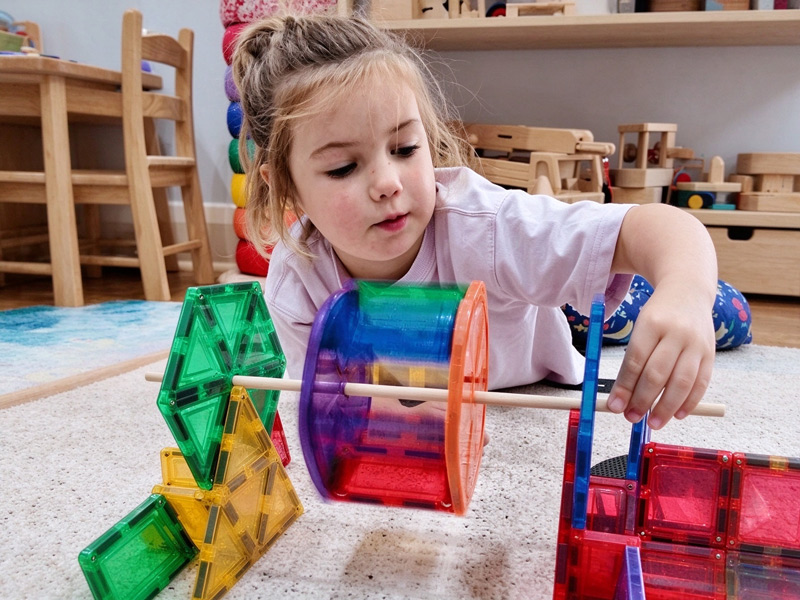
The phrase "made in our own moulds" carries real weight in this category. Most magnetic tile brands — including the dominant imported ones — customize existing factory designs, which is why so many generic sets look and behave identically. Learn & Grow commissioned its own tooling, meaning the tile geometry, magnet placement, and finish tolerances are its own design decisions rather than a supplier's defaults.
The stated philosophy is classic open-ended play: durable, non-toxic construction pieces that reward experimentation rather than instruct it. The tiles themselves follow the category's trusted recipe — BPA-free ABS plastic, sealed construction, strong magnets, and the beveled edges that produce the clear refractions children and parents both love — but the design control shows in details like finish consistency and compatibility with other major tile systems.
What World-First Tile Toppers Actually Do
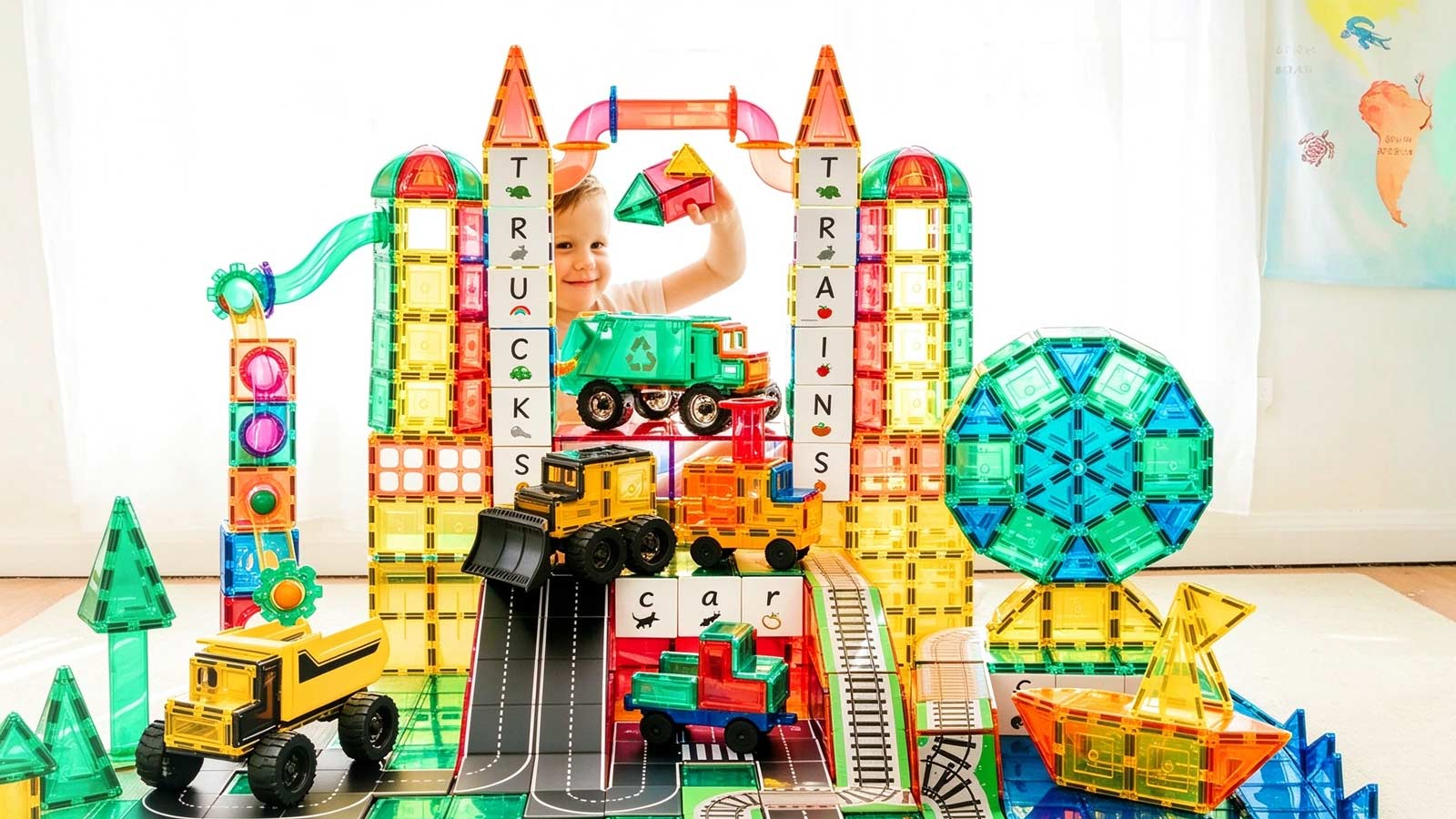
The brand's headline claim is TileTek, which it describes as world-first magnetic tile toppers. The concept is disarmingly simple: flat, shaped pieces that snap onto standard magnetic tiles and convert a generic building set into a themed play system — roads, landscapes, game boards, and scenes that would otherwise require buying an entirely different toy category.
For parents, the economics are the argument. A family that already owns a magnetic tile collection buys toppers instead of a new themed set, and the open-ended play value multiplies without new magnets, new storage, or new compatibility questions. For the brand, toppers solve the retailer's classic problem — how to sell to existing customers rather than only new ones. Early coverage in Australian parenting and toy media treated the launch as a genuine category novelty rather than a color variation.
Rivets, Bevels, and the Safety Checklist Parents Audit
Safety documentation is where magnetic tile brands live or die, and this is a category with a history — poorly sealed tiles and loose magnets have prompted recalls among lesser manufacturers, and parents have learned to audit construction before buying. Learn & Grow addresses the checklist directly: non-toxic, BPA-free ABS; sealed and riveted tile construction; compliance with Australian toy safety standards; and age grading from three years.
The beveled design is functional as well as aesthetic — the angled edges strengthen the tile while producing the refraction quality that separates premium sets from flat, cloudy generics. For households with toddlers who mouth toys, the sealed construction matters more than any marketing claim, and it is worth verifying in person before expanding a collection.
Compatible Pieces and the Open-Ended Play Philosophy
Compatibility is the quiet decision that shapes the purchase. The tiles are designed to work with other leading tile systems, which means a household's existing collection — whatever brand built it — accepts new pieces without a compatibility war. That choice sacrifices some brand lock-in and gains the thing families actually want: one growing box of building material instead of segregated sets.
The educational framing follows the category's consensus rather than inflating it: magnetic tile play supports spatial reasoning, fine motor development, early math language, and collaborative building. The brand's materials emphasize play first, which reads as more credible than the heavy STEM branding some competitors attach to what is, at heart, very good fun.
Retailer Shelves and the Direct Store Balance
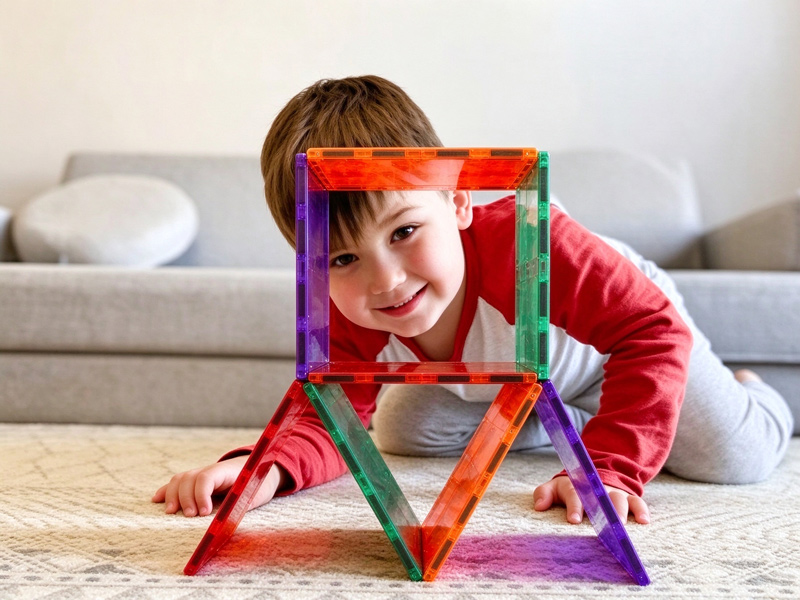
Distribution splits the way the family's skills do. The Creative Toy Shop gave the brand its first shelf and its first feedback loop, and Australian independent toy retailers now stock the range alongside the imported giants. The Shopify store serves direct buyers — full range, bundles, and international shipping — and functions as the catalog that specialty shops cannot afford to carry entire.
For international buyers, the direct store is the primary channel, and shipping from Australia to North America or Europe adds cost and lead time that domestic-category rivals avoid. The offsetting argument is product differentiation: toppers and own-mould designs are not available from the mass-market brands at any shipping speed.
Price Reality Versus Imported Alternatives
Magnetic tiles price like a commodity on global marketplaces, where no-name sets undercut established brands dramatically. Learn & Grow sits at the premium tier of the category — comparable to the leading Australian and imported name brands rather than the marketplace generics. Parents choosing between this range and a cheap marketplace set are buying sealed construction, tested materials, design originality, and local customer service; parents choosing between this range and the established giants are mostly buying the toppers and the family-made story.
Neither comparison is trivial, and the honest framing is that the brand must keep earning the premium with product ideas the giants have not copied yet — which is precisely the position TileTek was built to hold.
The Household That Will Get Years From These
The Learn & Grow customer is typically a family already converted to magnetic tile play — often with a mixed-brand collection at home — looking for expansion that adds play value rather than duplicates it. Gift buyers wanting an Australian-designed, safety-audited set with local customer service form the second audience, followed by early-learning settings that need durable, washable construction materials.
The verdict after watching the category for a cycle: the sibling team turned retail frustration into one of the few genuinely original product ideas magnetic tiles have seen — toppers that make existing sets new again. Whether that idea becomes a durable brand depends on the giants' copying speed, but for now, a family from Coffs Harbour owns the most interesting square meter of the building aisle.