Wahoo's indoor-outdoor ledger: kickr kings, radar taillights, systm subscriptions, seasonless autumns, guide walls

Official homepage: https://www.wahoofitness.com
Wearable stores usually pick a body part and measure it. Wahoo picked a season — the one nobody wants to train in — and built a store around the idea that the work done inside the room decides what happens outside on the road. The homepage says it in two clauses, built inside, proven outside, and everything beneath that slogan, trainers, computers, radars, a training app, exists to close the loop between the two. I browsed as the weather turned and my outdoor miles began their annual decline. Here is the counter, decision by decision.
Door Policy: Two Clauses, One Loop
The slogan refuses to choose between the garage and the road — the trainer in the room is not a compromise, it is the forge where the outdoor rider is built. Framing the store around the inside-outside loop rather than a product category doubles the addressable season: the customer who would never buy a wearable in spring shops for a trainer in November, and the brand that owns November owns the year's fitness budget. The two clauses are the entire strategy, printed where a hero image would sit.
The Trainer as Infrastructure
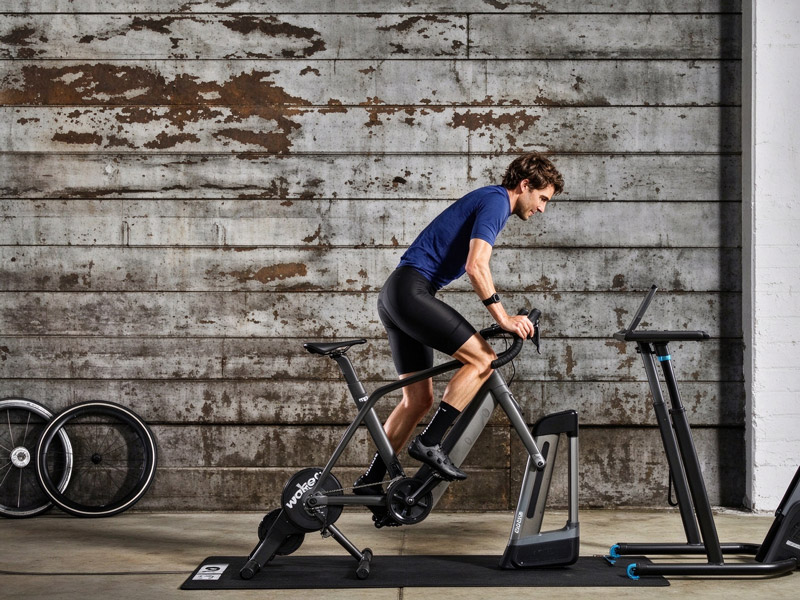
The flagship is a smart trainer — the machine that turns a road bike into an indoor instrument, holding power to the watt while the rider watches virtual roads. Leading the catalog with the trainer rather than the more obvious wearable, a watch or a strap, declares commitment: the trainer is the least portable, most expensive, most permanent object in the line, and a store that opens with it tells the customer this is infrastructure, not accessorizing. The trainer answers the slogan's first clause; everything else extends it.
The Computer as the Trainer's Other Half
The second wing is the outdoor computer — the handlebar GPS that records the ride, navigates the route, and displays the metrics the trainer taught the body to produce. Selling the computer beside the trainer completes the loop physically: the same athlete, the same power targets, the same brand on both sides of the front door, and the customer who enters for one eventually justifies the other because the data formats, the apps, and the vocabulary all match. The computer is not a separate product; it is the trainer's outdoors, priced separately.
The Taillight That Watches the Rear
The newest category is not a trainer or a computer but a radar taillight — a device that watches the road behind and warns the rider, on the computer's screen, when a car approaches. Adding a safety sensor reframes the brand's jurisdiction from performance to survival: the trainer made the rider stronger, the computer made her faster, and the radar makes sure she gets home to use both again. It sells the other two by protecting them, which no discount could do.
An App That Sells the Suffering
Beneath the hardware sits a training application — structured plans, fitness profiling, the films that make intervals bearable. Bundling content with hardware targets the trainer owner's weakest moment, the third winter week when motivation collapses: the app is the reason the trainer stays out of the closet, the subscription is the price of the winter athlete the customer promised herself, and the store that sells the suffering also sells the cure. The hardware opens the account; the app keeps it.
The Reading Room Beneath the Shop
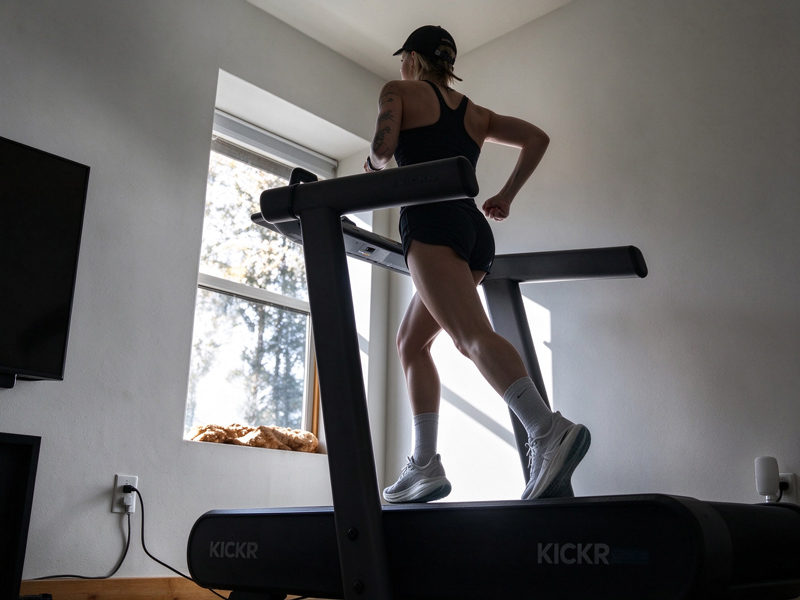
The site's bottom half is a library — how to choose a trainer, how trainers work, a technical question-and-answer on the newest model, a guide to building the ultimate indoor setup, even a marathon plan for the company's treadmill. Stocking a library beneath the shop targets the pre-purchase researcher: the guides rank for the questions buyers type before they know the brand's name, the reading converts research into preference, and by the time the customer reaches a product page the store has already trained her. The articles are the longest funnel in the building.
Autumn, Merchandised
When I visited, the homepage had dressed for the season — the off-season, with copy declaring that next season gets decided not on the road but in the room, and imagery of riders sweating indoors while rain streaks the windows. Treating the weather calendar as a merchandising event manufactures urgency from the atmosphere: the customer needs no discount to feel the pull, she needs only to look outside, and the store converts meteorology into margin four months a year. The season is the sale.