Firefly, on repeat: the disposable zap that keeps 750 pro teams coming back
Official homepage: https://fireflyrecovery.com
Recovery stores usually sell you hardware that lives on a shelf between workouts. Firefly sells a strip of electronics you stick behind your knee, wear for a few hours, and throw away when its thirty-hour battery dies — a deliberately disposable recovery wearable that has quietly colonized professional sports, from NBA and NHL locker rooms to SEC football training rooms, and earned itself a Shark Tank appearance along the way. The premise sounds like a parody of sports-tech marketing: a small adhesive device delivers gentle electrical pulses to a nerve below the knee, the nerve fires the calf muscles into rhythmic contractions, and the resulting muscle pump pushes blood through the legs at a rate the company says increases microcirculation by up to four hundred percent. The kicker is that the physics is real, the published NMES literature backs the mechanism, and seven hundred fifty professional and collegiate teams have voted with their budgets. I went through the nerve, the landfill math, and the fine print. Here is the store across its dimensions.
A Nerve Behind the Knee Drives a Calf Pump
The mechanism is elegant physiology. Firefly is a modified neuromuscular electrical stimulation device — NMES, the same family as medical devices used in hospitals to prevent blood clots in immobilized patients — but instead of stimulating muscle directly like a TENS unit, it targets the common peroneal nerve where it wraps around the fibular head just below the knee. Nerve stimulation produces a full, walk-like calf contraction — users describe the signature foot flutter — that empties the venous system and drives blood back toward the heart with each pulse. Because the nerve fires the muscle rather than the electrode shocking it, the device avoids the fatigue that prolonged direct muscle stimulation causes, and because the calf pump is the body's primary circulation engine during standing and walking, hours of passive stimulation approximate hours of gentle movement. The practical result: fresh, oxygenated blood delivered to tired tissue, metabolic waste and lactate cleared, and a claimed compression of post-workout soreness timelines that reviewers describe as noticeable rather than miraculous.
Four Hundred Percent More Circulation, Say the Studies
The evidence stack is genuine but requires the honest caveat the professional reviews attach. Multiple clinical studies support the mechanism: NMES devices increase microcirculation more effectively than compression socks and pneumatic boots in controlled comparisons, reduce perceived muscle soreness after strenuous exercise, aid rehabilitation of lower-limb injuries, and help maintain blood flow during immobility — the reason the technology underpins hospital DVT prevention. The careful reader's note, published by a major men's review outlet, is that the studies establish NMES generally rather than this specific device, and Firefly's own four-hundred-percent figure should be read as the mechanism's ceiling, not a personal guarantee. What the device-specific record does show is elite adoption at scale and a consistent pattern of owners reporting reduced next-day soreness, particularly after long runs, hard rides, and races — the exact use case it was built for.
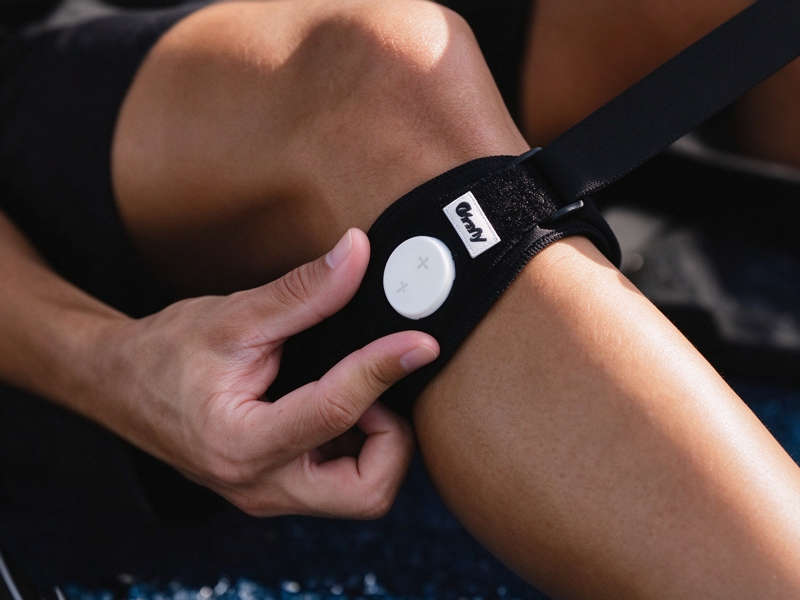
Seven Hundred Fifty Teams and One Shark Tank Banner
The credibility wall is institutional. The company claims seven hundred fifty professional and collegiate teams as users, with the Chicago Bulls, Anaheim Ducks, and University of Alabama football among the named deployments; an Olympian triathlete sits on its performance advisory board. The homepage currently leads with an as-seen-on-Shark-Tank banner, placing the device in front of mainstream audiences beyond the endurance-sports niche where it first spread by word of mouth. The founder and chief executive, Anthony Kjenstad, has steered the brand from hospital-rooted technology toward the consumer recovery aisle, positioning Firefly as the accessible alternative to compression boots that cost a thousand dollars and massage guns that need a free hand.
Thirty Hours of Battery, Then the Landfill Calls
The ownership economics are the device's most debated dimension. Each Firefly unit is sealed and single-use: a non-rechargeable battery delivers roughly thirty hours of stimulation — six to twelve recovery sessions at the recommended one-to-four-hour wear — after which the entire unit, electronics and all, is discarded. The company says a rechargeable version is under exploration, and the per-pair price of roughly forty-seven to sixty-five dollars keeps the cost per session in single digits, lower than a single sports-massage appointment. But environmentally conscious buyers will do the arithmetic that heavy users reach in months: a device a week for a dedicated athlete is a pile of e-waste a year, and the replacement cadence is the business model. The adhesive strips that hold the device in place share the thirty-hour lifespan, so the consumables and the hardware expire together.
Finding the Foot Flutter Takes a Little Practice
The honest workflow ledger. Placement is a learned skill: the electrode must sit precisely over the nerve for the foot-flutter response to appear, and reviewers describe the first sessions as trial and error — power off, peel, reposition, power on, check for the flutter. The knee straps, included in most bundles, hold the device in the optimal position and free you to move around, which is the device's core convenience: it works under jeans at a desk, on a plane, or while making dinner. Sensation ranges from a gentle tap at level one to a vigorous, occasionally uncomfortable squeeze at level seven, and the one-to-four-hour recommended wear time asks a scheduling commitment compression boots do not — though owners point out you cannot fold laundry in Normatecs. Skin sensitivity to the medical-grade adhesive appears occasionally in the record, and the device cannot target a specific sore spot the way a massage gun can; it treats the whole leg by treating its pump.
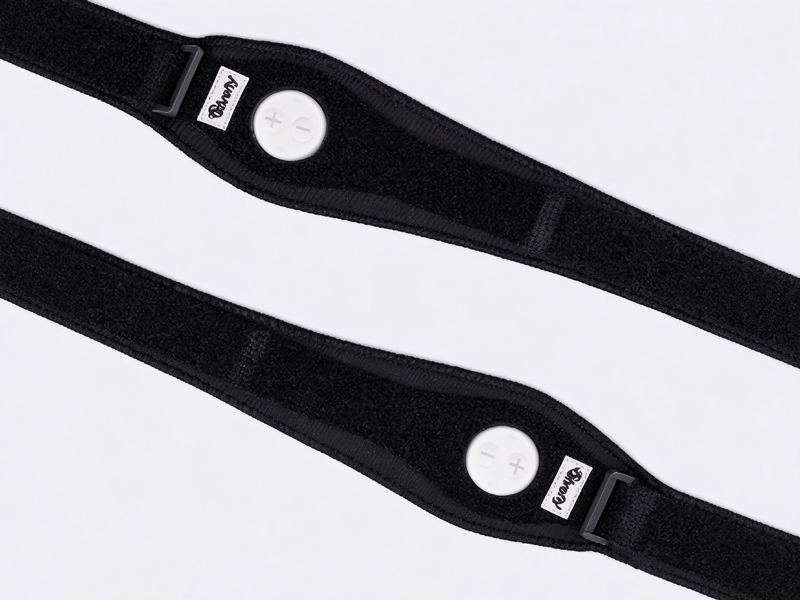
Opened Means Final, Unopened Means Thirty Days
The policy is dictated by the product's nature and disclosed plainly. Because the device adheres to skin and ships as a sealed medical-grade unit, opened or used devices are final sale under all circumstances — the thirty-day return window applies only to unopened, sealed units in new condition, with return shipping on the buyer and the original shipping never refundable. A return-merchandise authorization from support is mandatory; refunds process within about a week of verification. The store repeats the regulatory position in its own policy text: the device has not been cleared by the FDA for treating any medical condition, and no medical claims are made or warranted for off-label use. For a product whose effectiveness is personal, the no-returns-once-tried rule means the forty-seven-dollar single pair is the true trial unit — buy one, learn the placement, commit to the multi-pair bundles only after the flutter wins you over.
Forty-Seven Dollars a Pair Against Thousand-Dollar Boots
The value argument closes the commercial case. Against pneumatic compression boots at seven hundred to fifteen hundred dollars, Firefly's three-pack at one hundred forty dollars covers months of daily recovery for one leg-day's worth of boot money. Against massage guns, it asks no hands, no charging, and no technique. Against doing nothing — the control group most athletes actually belong to — it is the cheapest meaningful upgrade in the recovery aisle. The per-session math lands under three dollars at bundle prices, and the travel case is, literally, nothing: the devices weigh grams and clear airport security without a thought.
Wear It on the Plane, Thank It After the Race
Firefly is the rare recovery store whose product is smaller than its pitch and bigger than its price: hospital-derived nerve stimulation in a peel-and-stick strip, adopted by three-quarters of a thousand professional teams, validated by a genuine body of NMES research, and honest enough to print its own regulatory limits in the return policy. Buy the single pair first and treat it as a placement tutorial; graduate to the multi-pair bundles if the foot flutter becomes habit; wear it on long-haul flights where DVT prevention is the original medical purpose; and keep a massage gun for the shoulders it cannot reach. The battery will die, the adhesive will give out, and you will order again — which is either the scam or the compliment, depending on how your legs feel at mile twenty.