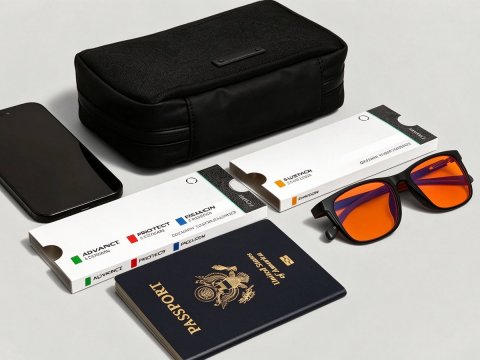
Therabody, line by line: the category inventor's products shine while service crumbles
Official homepage: https://www.therabody.com
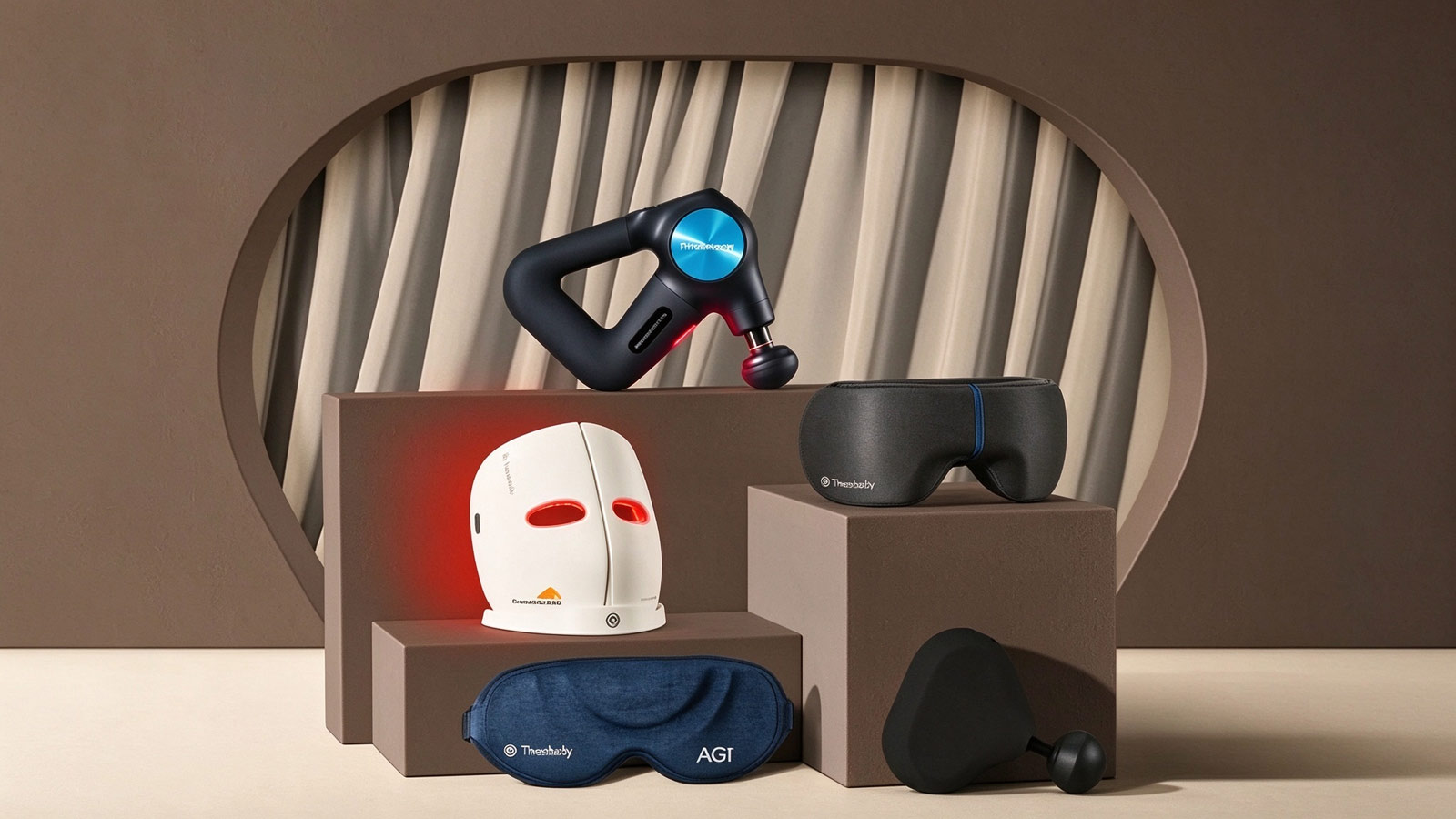
Recovery stores usually claim innovation. Therabody invented the thing everyone else copied — and then built a wellness empire on top of it: compression boots cleared by the Food and Drug Administration, electrical muscle stimulators, vibrating rollers, light-therapy face masks, sleep goggles, and a retail-and-education network spanning sixty countries. The Los Angeles company began when a chiropractor named Jason Wersland, recovering from a motorcycle crash, rigged a jigsaw with a softball and realized percussive therapy could do what hands could not. The Theragun made him the father of a category; the rebrand to Therabody in 2020 turned a device into an ecosystem. What the brand's own storefront cannot hide, however, is the ledger underneath the empire: an independent review wall hovering near two stars out of five, with more than seventeen hundred entries, dominated by two words — dead battery. I went through the invention, the ecosystem, and the disconnect between the products people love and the ownership experience they record. Here is the store across its dimensions.
A Motorcycle Crash That Launched an Entire Product Category
The origin is the best story in recovery hardware. In 2008, Wersland — a practicing chiropractor — crashed his motorcycle and lived with the resulting pain. Unsatisfied with existing treatments, he began experimenting with percussive massage, eventually attaching a lacrosse ball to a power tool. The contraption evolved into the first Theragun, commercialized in 2016, and the company says the device is rooted in more than a decade of research and development since. The founding narrative — a clinician inventing for his own body — gave the brand an authenticity its later celebrity partnerships (the current homepage features one of the world's most famous models wearing its LED face mask) have never fully replaced.
From a Single Percussion Device to a Full Wellness Ecosystem
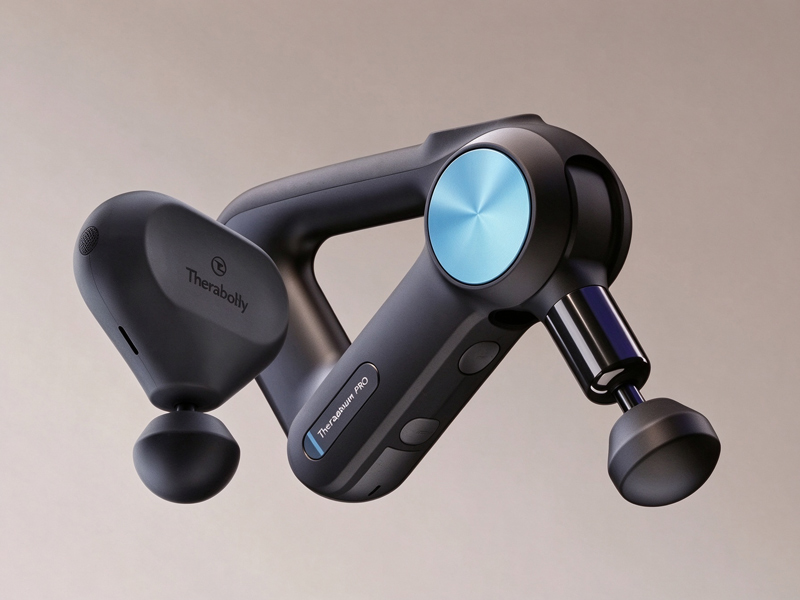
The catalog has sprawled deliberately. The Theragun line now runs from the two-hundred-dollar mini to the six-hundred-dollar Pro with its rotating arm and force meter. RecoveryAir brought pneumatic compression — the inflatable boots that squeeze fluid out of tired legs — to a consumer price point as an FDA-cleared Class II medical device, including fully wireless JetBoots. PowerDot handles electrical muscle stimulation. The Wave series vibrates through rollers and a foot device. TheraFace puts LED light therapy and microcurrent into a mask, SmartGoggles target sleep, and RecoveryTherm wraps heat and vibration around shoulders and backs. Around the hardware sit thirteen company-owned retail locations and Reset wellness centers, a university division whose courses carry accreditation from athletic-training and medical-education bodies, and distribution through Best Buy, Dick's Sporting Goods, and John Lewis. The science positioning is genuine: internal and external research, a medical-community advisory posture, and the FDA clearance on RecoveryAir standing apart from most wellness marketing.
Thirty Days of Free Returns With No Exchanges Allowed
The written policy is better than the lived one. Therabody offers thirty days from receipt for any reason, pays for standard return shipping, and requires like-new condition with original packaging and accessories. The structure has teeth worth knowing: exchanges are not offered at all — a wrong choice means return and repurchase; a return-authorization document must ride inside the package; labels expire in fourteen days; and processing runs ten to fifteen business days after delivery. Retail-channel purchases route back through the retailer, Best Buy pickup orders return to Best Buy, and Reset-location purchases cannot come back through the website. On paper it is clean and even generous on shipping; in the review record, the machinery that executes it is where the company fails.
The Battery Problem That Two Stars on Trustpilot Keep Recording
Here is the ledger that defines the brand's reputation, and it is unusually consistent across years and regions. Independent review aggregators put the score near two out of five across seventeen hundred-plus reviews, and the single dominant thread is batteries that stop accepting charge shortly after the one-to-two-year warranty expires, with no replacement option, no repair service, no trade-in, and no paid fix — turning a six-hundred-dollar device into e-waste by design. A 2026 reviewer used the word evil to describe knowingly selling disposable products at premium prices; others describe the failure as a known and inevitable issue the company acknowledges without solving. Customer service draws the parallel thread: purchasers describe videos and receipts submitted respectfully while under warranty, responses that never resolve, units made in 2021 given as Christmas gifts in 2023 that failed in two weeks and were declared out of warranty by manufacture date, and — in one extraordinary exchange — a denial on the logic that infrequent use itself causes malfunctions, despite the buyer explaining the infrequent use was because the product did not work. Orders that never ship, payments debited multiple times through the payment provider, defective replacements arriving defective, and return systems down for weeks complete a pattern that the few glowing reviews acknowledge they read before buying with trepidation.
When the Devices Work, the Reviews Say They Work Well
The counter-ledger matters equally. Among the wreckage sit reviews from owners whose devices have run for years, calling the products top-notch and the performance category-defining — the Theragun Pro really is good, one buyer conceded before swearing off the website forever. Professional and editorial coverage of the hardware has been strong for a decade precisely because the engineering is real. The honest summary the record supports: Therabody builds recovery devices that frequently justify their premium, and operates a direct-sales and after-sales organization that frequently cannot support them — a company whose products reviewers love in the same breath that they warn others away from the store.
A Patent Lawsuit From a Former Friend Over Attachments
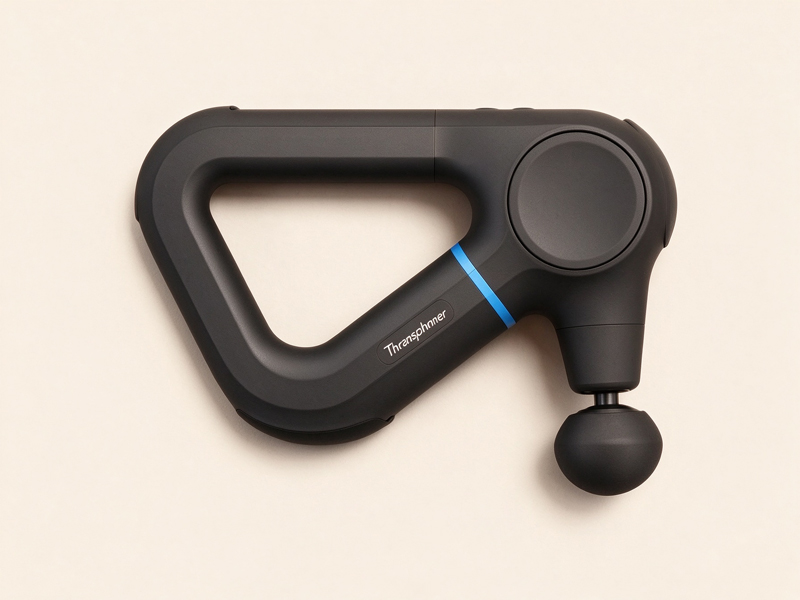
The legal file adds texture. In 2025, a prominent pain-relief influencer filed a California suit claiming he co-invented the thumb and wedge attachments that ship with the percussive devices, seeking inventor credit on two patents and damages estimated in the millions, while the company's counsel called the claims without merit. Whatever the outcome, the dispute — over the two most-used attachments on the flagship product, between the founder and a former friend who says he was promised a boat — sits awkwardly atop the brand's clinician-inventor origin story.
Retail Shelves, Reset Stores, and an Education University
The distribution architecture explains the paradox. With Best Buy, Dick's, John Lewis, and dozens of international retailers carrying the line, most buyers never touch the direct store — which is precisely why the direct store's failures generate so little corporate urgency. The Reset locations and Therabody University give the brand a physical and educational legitimacy its e-commerce operation does not match, and the sixty-country footprint means the Shopify storefront is one channel among many, not the company itself.
Buy It Anywhere but the Company's Own Store
Therabody is the strangest store in the recovery category: the genuine inventor, the deepest catalog, the FDA clearance, the celebrity polish — wrapped around a battery-e-waste model and a service organization that the independent record describes as nonexistent on its best days. Buy the Theragun Pro or RecoveryAir from Best Buy, Dick's, or John Lewis, where the retailer's return policy and in-store support substitute for the company's own; register the device and mark the warranty date in your calendar; and treat the thirty-day window as an absolute deadline, because the record says the clock, not the quality, is what protects you. The category's father built something real; the store just refuses to act like it.