Ursa major, into the woods: the vermont indie that out-cleaned clean beauty
Official homepage: https://www.ursamajorvt.com
Men's grooming stores usually chase the man. Ursa Major chased the morning after the mountain — the shower, the shave, the three minutes of care that reset a body after the outdoors, in formulas that read like a field guide to northern forests. The Waterbury, Vermont company spent fifteen years proving that the cleanest position in beauty is also the slowest one: B Corporation certified with a score nearly double the median, plastic-negative through a partnership that removes twice the packaging it produces, carbon-neutral shipping, vegan and cruelty-free formulations, and a product calendar governed by readiness rather than marketing quarters. Its founders — two New York beauty-industry veterans who swore they would start anything but a beauty company — launched in 2010 with a shaving cream during a recession, in the most bearded state in America, under a name half the population could not pronounce. Esquire called it the best shaving cream of the year two seasons later. I went through the forest doctrine, the certification stack, and the two-thirds-full clause. Here is the store across its dimensions.
Anything But Beauty, Then Beauty Anyway
The origin is anti-origin in the best way. Oliver Sweatman — South African-born, University of Vermont history graduate, investment-banking veteran — had already lived the men's grooming boom once, co-founding Sharps, a brand that sold through Barneys and Fred Segal before an overambitious mass line for nine hundred Target stores unraveled it. Emily Doyle ran sales and general management at Bumble and Bumble, then headed the United States office of Australian skincare brand Jurlique. They met when a recruiter sent her to be his head of sales; the sparks, by her account, took about six months. In 2008 she loaded a moving truck and arrived in Vermont in a snowstorm, and the couple spent their first rural year considering everything except their own expertise — socks, chocolate, spirits, beer. What pulled them back to beauty was the gap they kept hitting on trailheads and in co-op aisles: natural products that worked existed, but they were either crunchy in aesthetic or timid in performance. They wanted the sophistication of a city line with the integrity of a co-op brand, scented like the woods outside their door.
Five Thousand Dollars and a Beard-Filled Recession
The launch conditions were a comedy of errors that became a founding legend. December 2010: an expensive shave cream arrives in the middle of a recession, sold from a state where the entire male population appeared to be growing beards, under a Latin name — Ursa Major, the great bear, the Big Dipper, their metaphor for finding true north — that no one could pronounce. Sweatman has described the terror in interviews. First-year revenue was $5,000. The pivot came through the product itself: Esquire named the shaving cream the best of its year, and the line methodically expanded — a face wash in 2011, a tonic, a balm, wipes — each launch delayed until every internal checklist cleared, a discipline the founders describe as the opposite of the industry's marketing-driven calendar. Fifteen years later the company reports roughly $30 million in revenue, four hundred-plus retail doors including Credo Beauty and regional natural grocers, and a deliberate absence from the big-box beauty chains.
A Bear Constellation as a Moral Compass
The name does structural work. Ursa Major — Latin for larger bear, the largest constellation in the northern sky, the pointer star that finds true north — encodes the brand's entire philosophy in two words: orientation over aspiration, finding your way rather than following someone else's. The founders weave it into everything, from the forest-infused ingredient stories to the homepage's reminder that true north is not a place but a feeling. The positioning is deliberately gender-agnostic — skin is skin, the copy insists — which is either a category error or a decade-early insight depending on which quarter you examine; the customer data says the latter is winning.
Scores of Ninety-Six and Plastic Negative Status
The certification stack is the deepest in the men's grooming aisle. The B Corporation assessment scores Ursa Major 96.6 against a median of 50.9 for ordinary businesses — a spread that reflects worker treatment, governance, community, and environmental dimensions audited on a schedule rather than asserted in adjectives. Through rePurpose Global, the brand is certified plastic-negative, funding the removal of twice the plastic it produces, on top of carbon-neutral shipping and one hundred percent renewable-powered operations. Clean formulation means what it says here: no petrochemicals, no sulfates or parabens, no synthetic fragrance or color, no silicones, no PEGs — with an ingredient glossary that lets you click any entry and read its sourcing story, a transparency most clean brands claim and few build.
Two-Thirds Full and Homebound: the Return Terms
The policy is generous in substance and quiet about it. Thirty days from delivery, a prepaid return label supplied through a self-service portal — the company pays the shipping, which places it ahead of most of the tag it sits in — with two conditions that tell you what the brand is optimizing for: products must be at least two-thirds full, so the guarantee covers genuine trial rather than decanting regret, and returns are accepted only from United States orders placed on the company's own site. Samples and gifts-with-purchase are final. The portal-based flow and the prepaid label make the practical experience close to frictionless for the domestic buyer, and the two-thirds rule quietly protects the system from the refill-and-return arbitrage that plagues beauty e-commerce.
What Forty-Six Dollars Buys at the Mountain
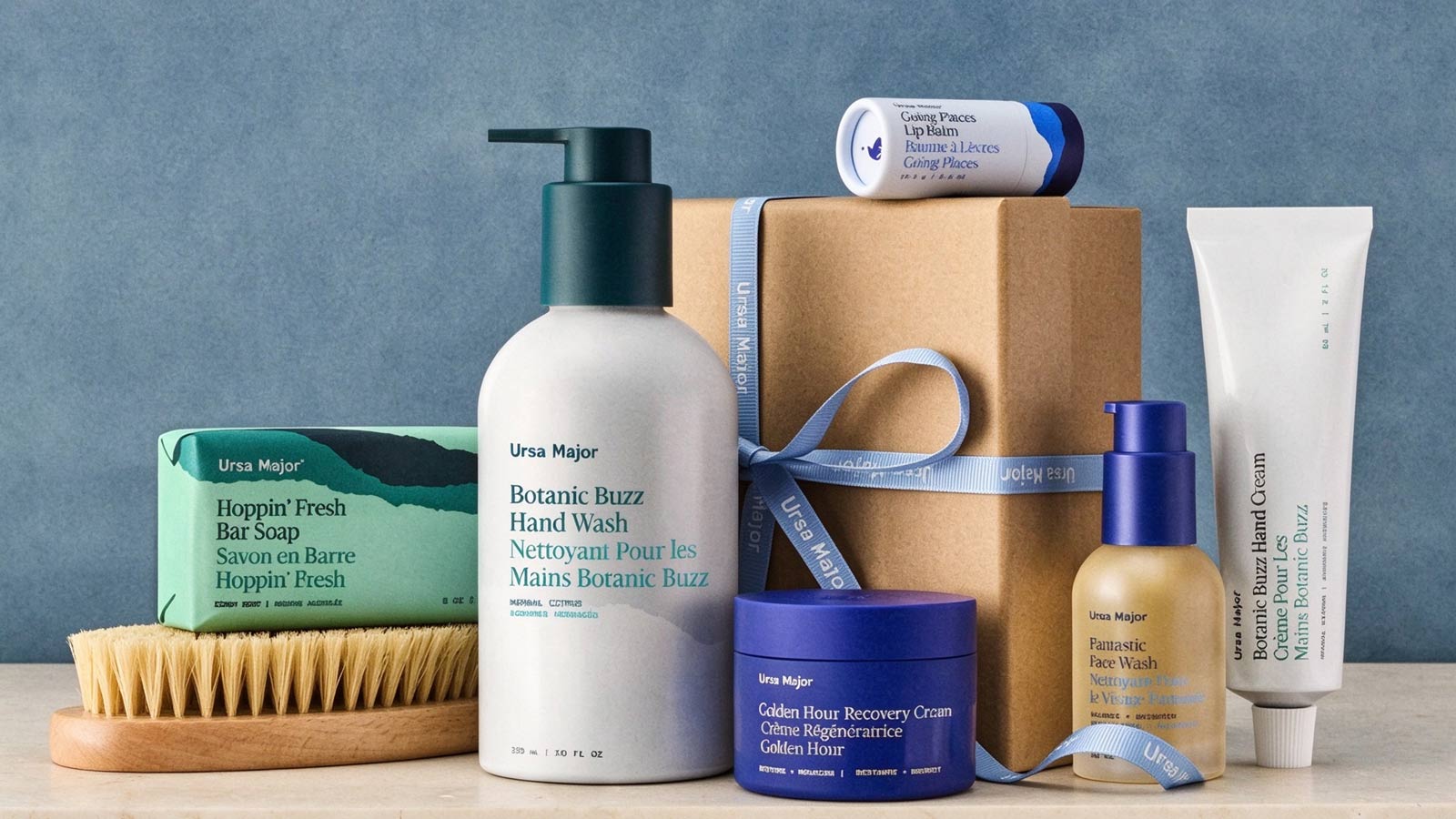
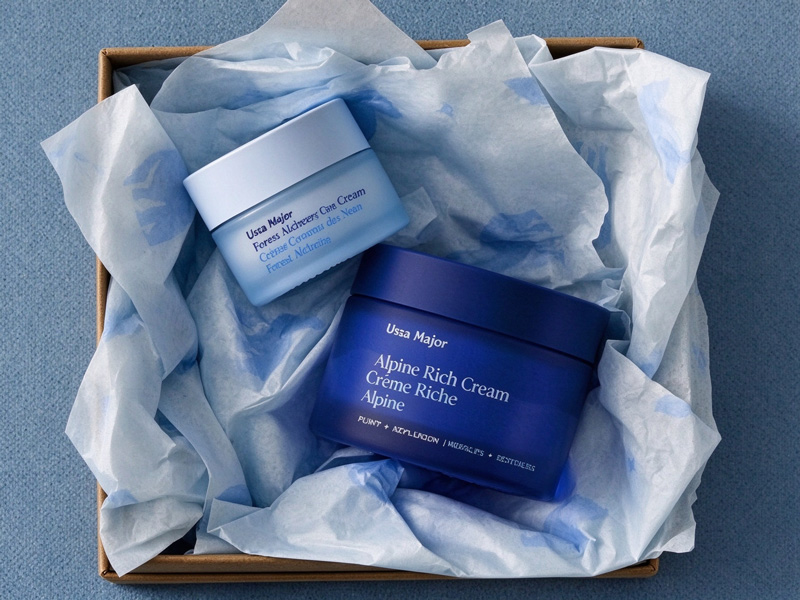
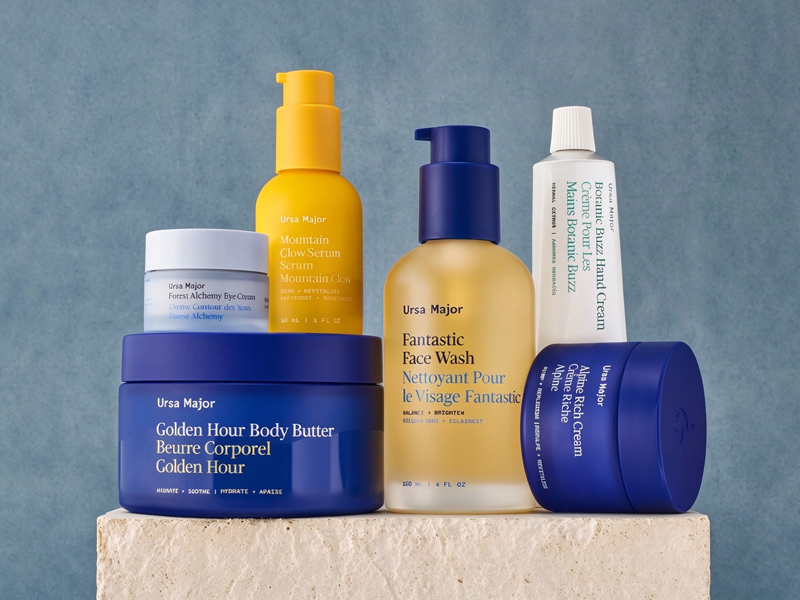
The flagship economics are transparent and premium. Fantastic Face Wash — the sugar-maple AHA cleanser scented with spearmint, cedar, and lime, coconut-derived surfactants, rated 4.7 across nearly two thousand reviews — runs $32 for the four-ounce and $46 for the jumbo ten-ounce pump. Golden Hour Recovery Cream is $54; the Mountain Glow Serum that headlines the bestsellers wall claims 87 percent of testers saw fine lines improve in four weeks; the Forest Alchemy eye cream reaches $76. The honest caveat the brand publishes itself: the Fantastic wash targets normal, combination, and oily skin, and genuinely reactive or mature faces are directed — by the company, in its own buying guides — to the gentler milky cleanser instead. That self-aware redirect is rare in the category and worth pricing into the decision.
Nine Out of Ten New Customers Are Women
The demographic data completes the irony and the thesis. Women account for ninety percent of new customers, and forty percent of everyone who tries the line reorders within twelve months — retention numbers the founders attribute to the same anti-hype posture that limits their distribution. Doyle's framing, quoted in the Vermont press, is the brand in one sentence: they wanted to flip the beauty industry on its head, to make it about the way you feel rather than the way you look, about wellness rather than vanity, and about getting off the buy-more treadmill that turns skincare into a second job. In 2025, nearly fifteen years in, the founders announced exactly that slowing — a quiet restructuring the trade press called the long game, stepping back from growth-for-growth's-sake to realign operations with the founding principles. The reset is either a warning or the final proof of the positioning; the certification scores suggest the latter.
Buy the Face Wash, Skip the Eye Serum
Ursa Major is the grooming store for the man who reads ingredient decks: a $30-million indie with a bear constellation for a conscience, a shave cream that survived a bearded recession to win Esquire's crown, and a return policy generous enough to test the whole premise on the company's dime. Buy the Fantastic Face Wash in the jumbo pump if your skin runs normal-to-oily, take the milky cleanser if it runs reactive, add the bamboo face wipes to the glove box, and skip the seventy-six-dollar eye serum until the recovery cream proves the brand on your own face. The big-box beauty chains have not earned this line yet, and the line seems content to keep it that way.