Bevel, in the wild: the pioneer brand and the locked door behind it

Official homepage: https://getbevel.com
Men's grooming stores usually sell razors. Bevel sold an apology — from an industry that had spent a century treating Black men's hair as an edge case, to the men whose faces paid the price. The brand was founded in 2013 by Tristan Walker, a former Wall Street trader and business-development director at Foursquare, who was tired of a grooming aisle that ignored a documented dermatological reality: coarse, curly facial hair cut by multi-blade razors grows back beneath the skin, producing the ingrown hairs and razor bumps that plagued him since his teens. His answer was a six-step ritual built around a single weighted safety blade, clinically tested for bump reduction, packaged with a design sensibility that earned the company admirers from Nas to Magic Johnson. Procter & Gamble bought the parent company in 2018, and the system reached every Target in America. But the road from pioneering to conglomerate ran through a subscription engine that the unprompted record describes, across years and platforms, with one recurring phrase: locked in. I went through the bump physics, the acquisition, and the locked door. Here is the store across its dimensions.
A Wall Street Trader's Solution to His Own Face
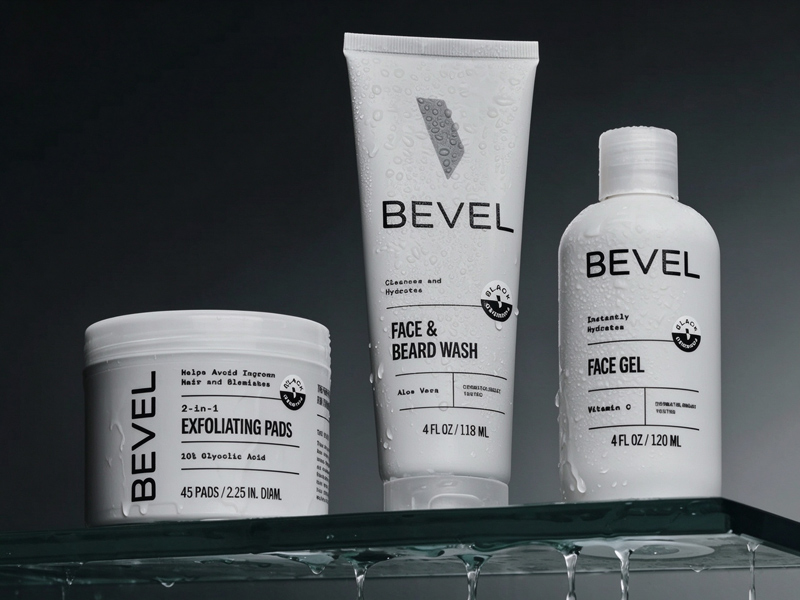
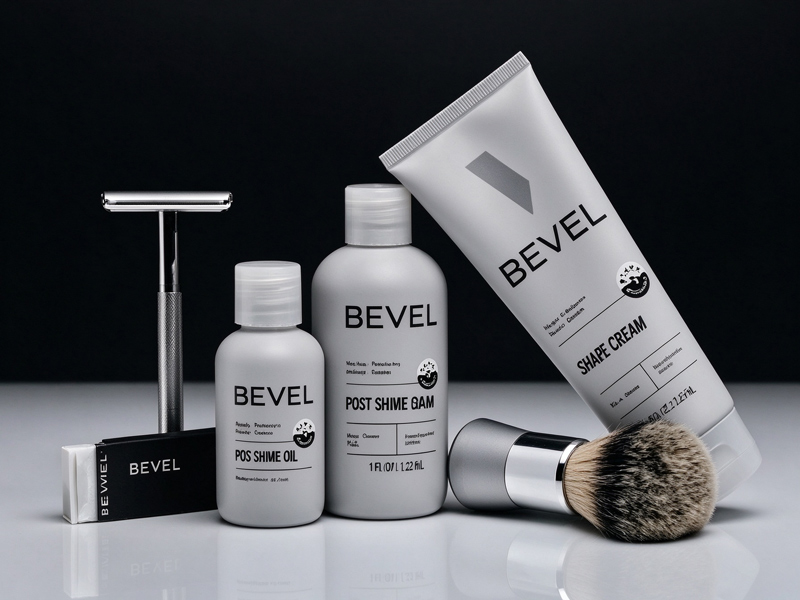
The origin is mission-driven in a way most grooming founders cannot claim. Walker's diagnosis was mechanical, not marketing: multi-blade cartridges cut hair below the skin's surface, and curly hair cut below the surface curls back into the follicle it left. The fix was simultaneously retro and radical — reintroduce the double-edge safety razor, weight it so the blade does the work instead of pressure, and surround it with a priming oil of sunflower, olive, and lavender; an aloe-and-sheatherb shave cream; a brush that lifts hairs and exfoliates; and a restoring balm that reviewers consistently single out as the line's quiet standout. The brand hired diversely, published shaving tutorials, and treated its demographic as a constituency rather than a niche. That it worked — that bump-prone reviewers across a decade of testing report genuinely smoother outcomes — is the least surprising part of the story.
The Bump Physics Multiblades Were Making Worse
The clinical claim deserves precision because it is real. The complete system was tested to reduce skin irritation and prevent razor bumps, and the mechanism is the inverse of the cartridge industry's: one blade passes over the skin once, cutting at the surface rather than pulling and cutting beneath it, which is what multiblades do when the first blade snags the hair and the second finishes below the line. Independent testers with a decade of product-lab experience rate bump prevention at five stars, irritation reduction at four, and value for money at two — the last because the system's components are materially identical to double-edge razors that sell for twenty to forty dollars, a comparison the professional shaving press has made since the brand's first year. You are paying for the system, the design, and the mission more than the metal.
Six Steps, a Weighted Razor, and a Commitment
The ritual asks for time the way single-blade shaving always has. The priming oil prepares, the brush lathers, the weighted razor glides at a taught angle, the balm restores — a fifteen-minute ceremony against a five-minute cartridge pass, and reviewers who commit describe it in the language of conversion: one writer found the regimen so transformative she wrote that she could never revert to her old routine, praising the six-part system as flawless and noting the economy of tossing a blade after every use. The countervailing experience is equally documented: some owners skip the oil, some abandon the brush, some balk at the commitment the system demands and the price it charges for the privilege.
Procter and Gamble Arrives, and the Model Shifts
The 2018 acquisition by Procter & Gamble was a landmark — one of the largest consumer-goods companies in the world validating a Black-founded brand built for an underserved demographic, with Walker staying on to lead the division. Post-acquisition, the catalog evolved: alongside the shaving system, the storefront now leads with body trimmers — a pivot toward the broader men's grooming hardware category, with the homepage's current testimonials celebrating cordless clippers that glide through beard and body hair with professional results. The shaving system remains, sold both on the direct store and through Target, Amazon, and select CVS and Sally Beauty doors, with a thirty-day money-back guarantee that applies to direct-site orders.
Thirty Dollars a Month, Minimum Three Months
Here is where the record hardens. The subscription-era Bevel — the model that built the company — was structured, per years of unprompted reviews, as a thirty-dollar monthly plan that committed buyers to a minimum of three months, disclosed in the terms rather than the checkout flow, cancellable in name while shipments continued in practice. Reviewers describe a ten-dollar restocking fee on unopened returns, return shipping on the buyer, phone lines answered by voicemail loops, refunds minus shipping minus fees that consumed most of the refund, and one family that finally cancelled their credit card to stop withdrawals that continued for six months without a product arriving. The company disputed these characterizations publicly, and the acquisition-era model may have reformed since — but the archive remains, it is specific, and it is consistent enough that any buyer today should verify the current terms before entering payment details rather than assume the reform.
Clippers That Die and Brushes That Shed
The hardware ledger adds texture. Wireless clippers that would not hold a charge and blades that cut less close than advertised, per a two-year member; shave brushes shedding bristles into the razor at an accelerated rate, with the company responding that shedding is normal for all brushes — technically true and experientially unsatisfying; priming-oil bottles arriving spilled in transit, a recurring shipping complaint; blade changes described as finicky. Against these sit the balm's loyalists and the bump sufferers whose faces the system genuinely fixed — the record is a mosaic of lives changed and patience exhausted, often on the same shelf.
The Trimmer Pivot and the Current Catalog
The modern storefront tells you where the business is headed: trimmers first, shaving second, with the clipper line's reviews — sharp, gliding, professional results — doing the marketing the subscription system once did. The shaving products persist at every tier: the safety razor near fifty dollars, blades at ten dollars for twenty, the complete kit at ninety with a thirty-four-dollar bundle discount, and the thirty-day guarantee on direct orders as the safety net the subscription era lacked.
Buy the Razor at Target, Skip the Membership
Bevel is the most important brand in this tag and one of the most cautionary: a pioneering answer to a real dermatological injustice, clinically grounded, design-led, conglomerate-backed — wrapped around a subscription history that the unprompted record describes as a locked door. Buy the safety razor and blades at Target or Amazon, where returns follow retail norms rather than membership terms; try the complete kit only if you are ready for a fifteen-minute ritual; treat the trimmer line on its current reviews rather than the brand's legacy; and read every checkout screen twice before any plan converts from a purchase into a relationship. The physics Bevel fights is real, the products largely work, and the door — whatever its current state — earned its reputation the hard way.