Unscrolling at light phone: fog-clearing testimonials, three shades of light, intentional private os
Official homepage: https://www.thelightphone.com
Phone stores usually sell you more — more camera, more screen, more features per dollar. The Light Phone store sells you the opposite, and says so in its first sentence: simple devices with quality tools, designed to be used as little as possible. I browsed with screen-time statistics I would not read aloud and a curiosity about what a store looks like when its product's success is measured in the customer's absence. Here is the counter, decision by decision.
Door Policy: Testimonials That Describe a Life, Not a Device
The homepage opens with a wall of quotations, and not one mentions a specification — a man says the fog in his head has cleared, another credits the phone with returning thousands of hours, a father reports his children find him more fun because he is never on it. Leading with life-change rather than features targets the customer shopping for a feeling, not a function: the testimonials sell the person she could become, and the phone is merely the mechanism, which means the store's competition is not other phones but her own habits. The wall is the product page.
A Philosophy Written in Negatives
Beneath the quotations sits the thesis: an operating system built around intentionality and privacy, on a device designed to be used as little as possible. Stating the goal as a negative inverts the industry's engagement metric — the brand does not want her attention, does not measure success in screen hours, and says so where rivals print retention statistics. A phone company that hopes you ignore it has solved the conflict of interest every other phone company monetizes. The restraint is the marketing, and it cannot be faked.
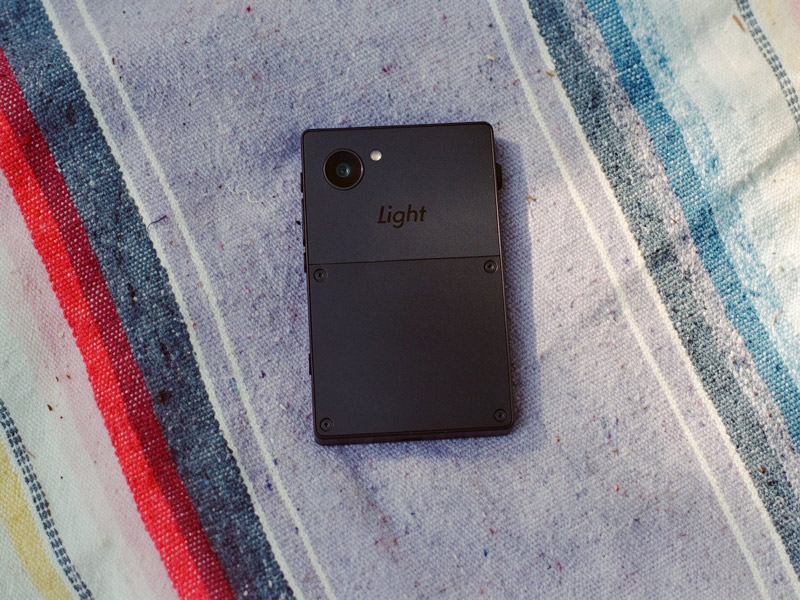
Three Answers to How Light
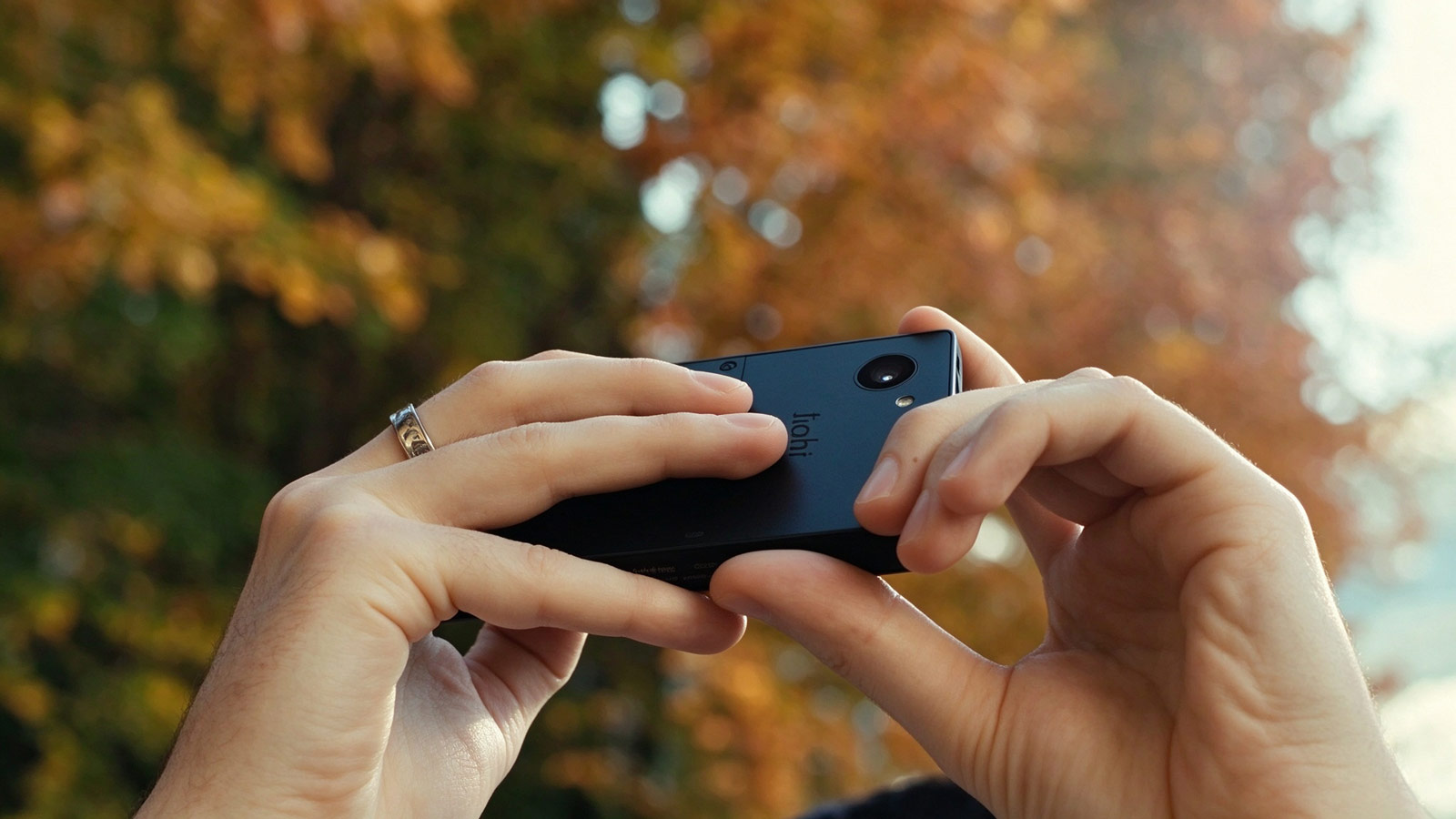
The catalog offers a gradient of absence rather than a line of upgrades: an ink-screen model at the entry price, a faster black-and-white model with a camera in the middle, and a flip form factor for those who want the tactile ritual of closing a call. Framing the lineup as degrees of lightness treats the customer as a person in progress rather than a wallet in tiers: the nervous starter buys the cheapest light, the committed convert buys the camera model, and the flip suits the one who wants the phone to feel like a decision rather than a companion. The question the store asks is not how much, but how little.
An Operating System as the Real Product
The hardware is a container for the software philosophy: the custom operating system strips away the browser, the app store, the feeds, leaving calls, texts, directions, music, and a handful of quiet tools. Selling an operating system through three pieces of hardware makes the phone feel like an appliance again — it does one small set of things, does them without interruption, and the privacy architecture is structural rather than a settings toggle. The OS is the moat; the aluminum body is just the door, and the door barely matters.
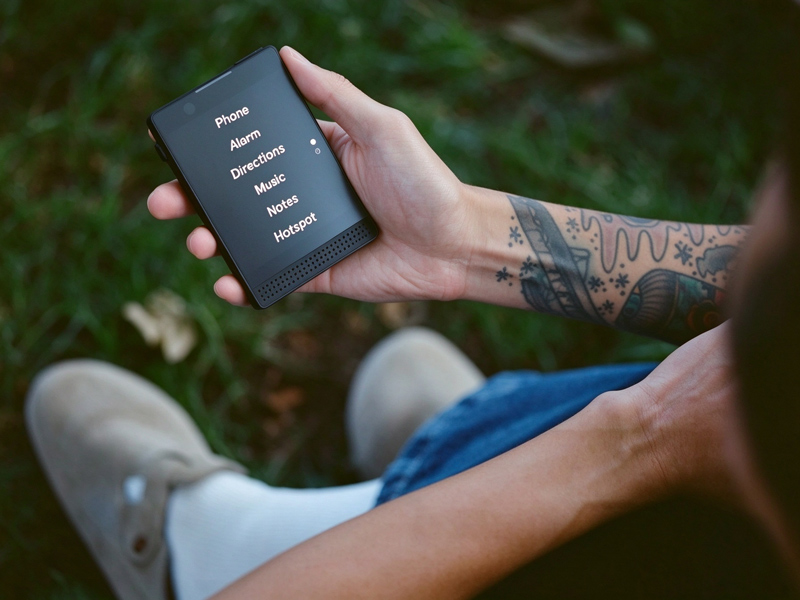
The Paradox, Embraced Publicly
The deepest fixture is the paradox the store refuses to hide: a company that profits only when the product works too well to be noticed. Most consumer electronics brands engineer for engagement; this one engineers for dismissal, and the catalog's restraint — three models, a short accessory shelf, a newsletter sent sparingly by its own signup copy — suggests a business at peace with selling fewer things to happier people. The emptiness is not a failure of assortment; it is the product working as advertised, the quietest pitch in the category.