Pela case, inside out: flax, patents, and the compostable dream that actually works
Official homepage: https://pelacase.com
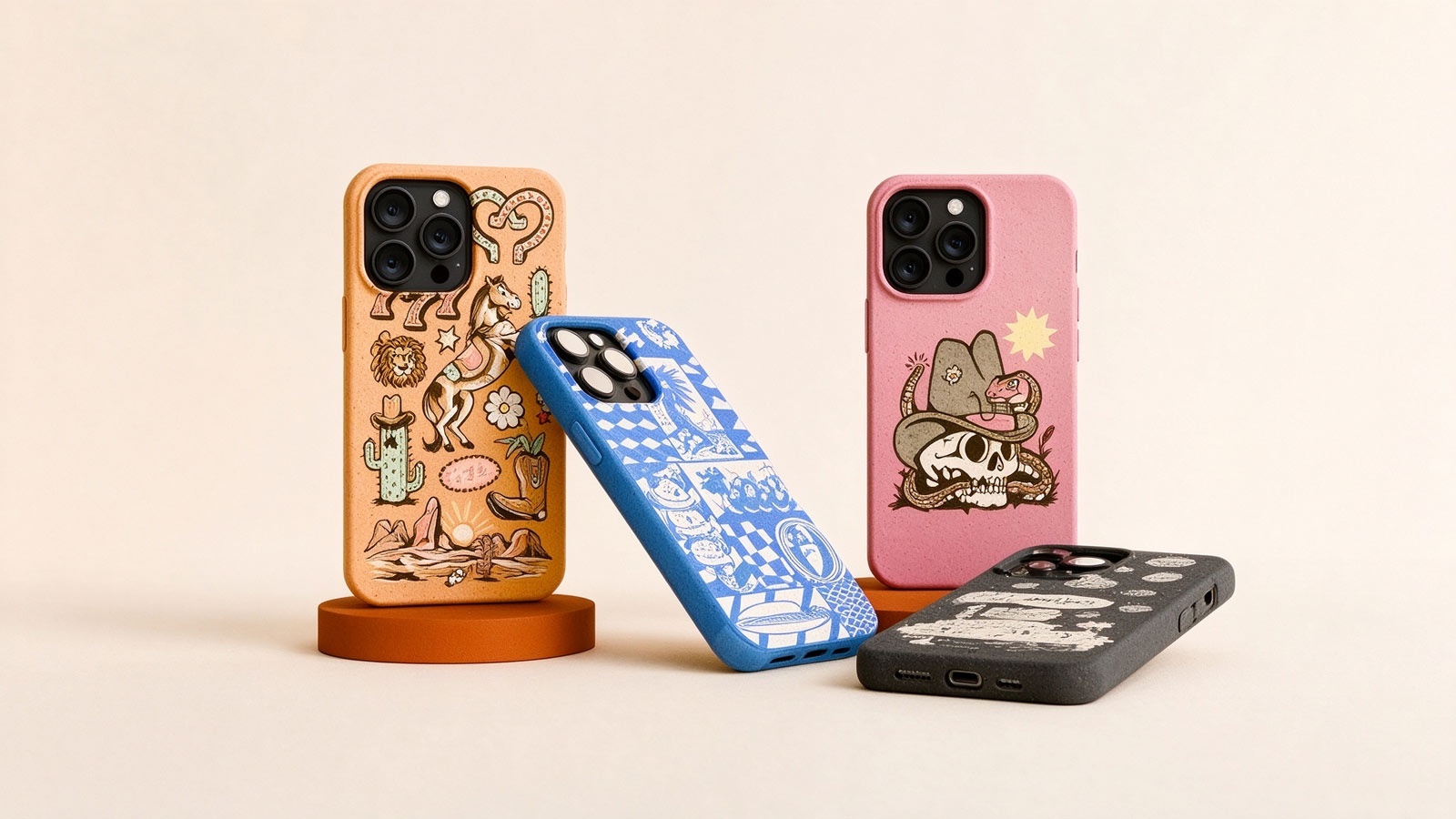
Phone-accessory stores usually compete on toughness. Pela competes on the afterlife — a case designed not merely to protect a phone for three years but to disappear into soil within six months of retirement, leaving nothing behind but the lesson that it can be done. The Canadian company grew from a materials-science obsession: Jeremy Lang, raised on a Saskatchewan farm watching flax farmers burn their straw waste after harvest, standing on a Hawaiian beach in 2008 while his toddler son dug up plastic where sand should have been. The arithmetic that bothered him — less than ten percent of plastic ever gets recycled, and 1.5 billion phone cases hit the trash annually — became Open Mind Developments, then Flaxstic, then a Certified B Corp with Climate Neutral certification, a 1% for the Planet membership, a Jay-Z venture investment, and the closest thing the category has to a conscience. The Shopify storefront sells the whole philosophy at forty to seventy dollars a case. I went through the material, the certifications, and the wear-test record. Here is the store across its dimensions.
A Beach in Hawaii, a Factory in Saskatchewan
The origin connects the two geographies that define the product. Lang spent 2007 founding Open Mind Developments to prototype plant-based materials; the 2008 Hawaii trip — his son, eighteen months old, pulling plastic from the sand — focused the mission on the Pacific gyre and the failure of recycling. His farm-country insight supplied the feedstock: flax shive, the woody byproduct of Canada's oilseed flax harvest, burned or landfilled by growers, would become the reinforcement fiber inside a compostable elastomer. Years of formulation work produced Flaxstic, and the first Pela cases shipped in 2011.
What Flaxstic Actually Is
The material deserves precision because the category is crowded with impostors. Flaxstic is roughly 45 percent plant-based — compostable bioplastic elastomer derived from castor beans, blended with flax straw waste and mineral fillers — certified to the American ASTM D6400 and European EN 13432 industrial-composting standards and home-compostable in practice: independent testers report meaningful breakdown within weeks to months in active compost, and the brand publishes twelve-week side-by-side decomposition documentation. It is tested free of BPA, phthalates, lead, and cadmium, meets child-safety standards in every major market, and provides natural shock absorption from the flax fiber itself — no air pockets or rubber bumpers required. The flecked, stone-like texture that owners describe as grippy and warm is the flax showing through.
The Certification Stack
The credibility architecture is unusually deep for an accessories brand. Pela is a Certified B Corporation — audited social and environmental performance — and Climate Neutral Certified, meaning it measures and offsets its full footprint, publishing life-cycle assessments that claim roughly 80 percent less waste, a third less water, and 30 percent lower emissions than conventional plastic cases, plus preventing a pound of plastic per case sold. The 1% for the Planet membership routes sales to Surfrider, Save the Waves, and Oceana. The Pela 360 program mails a return envelope with every order, accepting old cases from any brand for composting or upcycling — competitors' plastic included. Lang's second invention, the Lomi kitchen composter, closed the loop at home, and an institutional round featuring Jay-Z's Marcy Ventures reportedly valued the company near nine figures.
The Catalog Beyond the Case
The storefront has grown into a full ecosystem. Cases in Classic, Clear, and Green Summit variants — the latter rated for ten-foot drops — run forty to seventy dollars alongside artist-collaboration prints, AirPods cases, Apple Watch bands, phone straps, and the new Juicebox power bank in matching designs. The liquid screen protector carries a $500 Screen Protection Guarantee: pair it with a case and Pela covers the screen it fails to save. Sister brands under the same umbrella sell plastic-free deodorant and dog shampoo. The promotional engine — buy-one-get-one holidays, gift bundles — targets the eco-gifting moment where the story sells as hard as the product.
The Happiness Guarantee
The service promise matches the brand's tone: a 100% Happiness Guarantee covering returns and exchanges within thirty days, live chat staffed on every page of the store, and a review record of quick, no-fuss replacements — one Trustpilot reviewer describes a leaking screen-protector bottle replaced immediately with a discount code attached. For a company whose identity is redemption rather than perfection, the speed of the fix is part of the pitch.

The Honest Ledger
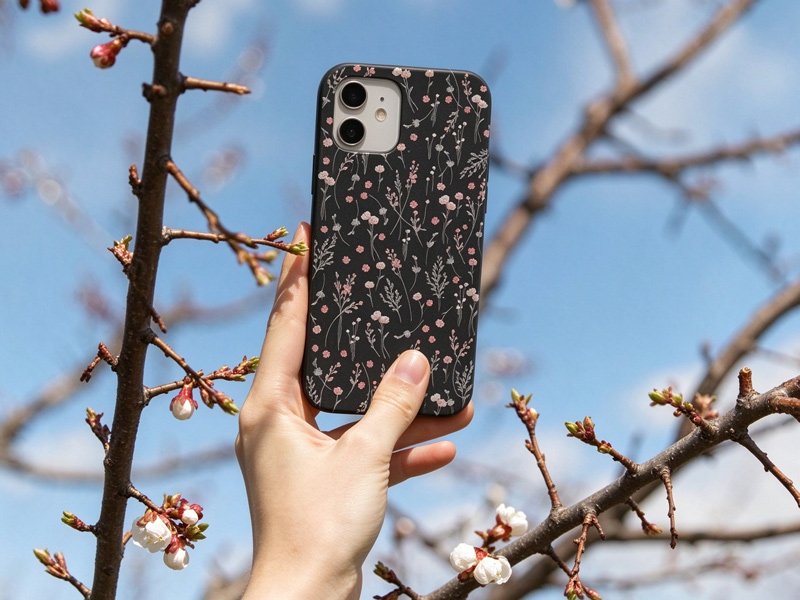
The wear record is where compostability meets reality, and it splits by design. A four-year daily-use test found solid-color cases still going strong after four years — three or more being realistic — while printed designs peeled within weeks, making solid colors the durable choice. Independent reviews note the porous material absorbs dark-dye stains from denim jeans, that lighter colors can fade, and that no official drop-test rating is published — a real gap against armored competitors at the same $60 price point, where Otterbox territory begins. Full MagSafe snap requires a small insert sold separately, the thermoplastic softens if charged above 7.5 watts, and the Galaxy S25 line was discontinued in early 2026 on supply constraints — an honest limitation for Android loyalists. None of this contradicts the core promise; all of it shapes the fit decision.
Who Pays $60 for a Case That Returns to Dirt
The buyer is not buying protection — a twenty-dollar Spigen protects. They are buying the audited proof: the B Corp assessment, the published compost tests, the take-back envelope, the pound of plastic prevented per case, and the forty-to-sixty-dollar premium as membership dues in a manufacturing model they want normalized. The $500 screen guarantee and multi-year longevity of solid colors make the math defensible; the printed-design peeling and missing drop rating make it honest. Buy the solid color, add the insert if you live on MagSafe, and compost the whole thing when the phone dies — the loop closes, which is the entire point.
Closing the Loop
Pela Case is the rare sustainability brand where the paperwork outruns the marketing: ASTM and EN certifications instead of adjectives, published decomposition tests instead of promises, a take-back program that accepts competitors' trash, and a founder who built a composter to finish the job at home. You pay premium prices for thinner drop ratings and the risk of peeling prints; you receive, in exchange, the only case whose end of life is designed as carefully as its beginning. Choose the solid color, skip the wireless-charging heat, and when it finally cracks in year four, remember that this was the plan — it was always supposed to go back to the earth.