Timberdoodle brand review: everything to know before buying homeschool curriculum kits in 2026

Official homepage: https://www.timberdoodle.com
Educational-toy stores usually sell objects — the kit, the game, the puzzle. Timberdoodle sells a decision already made: the storefront opens with a division of labor, we do the research, you do the teaching, and the product beneath the slogan is an entire school year compressed into a single customizable box. I browsed with a friend who started homeschooling in September and has been drowning in curriculum tabs ever since, and a curiosity about what forty years of research looks like when it fits in a cardboard carton. Here is the counter, decision by decision.
Door Policy: The Research, Done For You
The storefront's first sentence is a job description — forty years figuring out what actually works, so you don't have to — the research claimed as the company's burden and removed from the parent's plate. Opening with the completed homework is positioning aimed at the overwhelmed new homeschooler: the research says the curation has already happened, the so-you-don't-have-to says the parent's only job is teaching, and the store has converted a paralyzing decision into a single purchase. The research is the moat; the moat is forty years deep; and the depth is why the drowning parent stops swimming and buys the box, and the box is the life raft the moat was dug to build.
The Kit as the Product
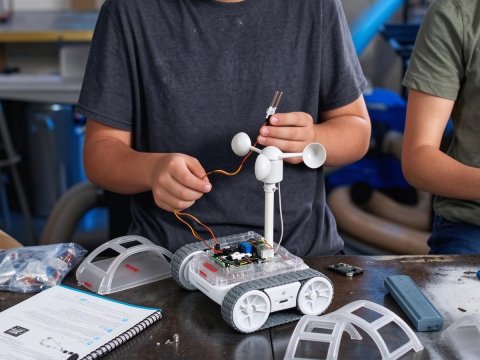
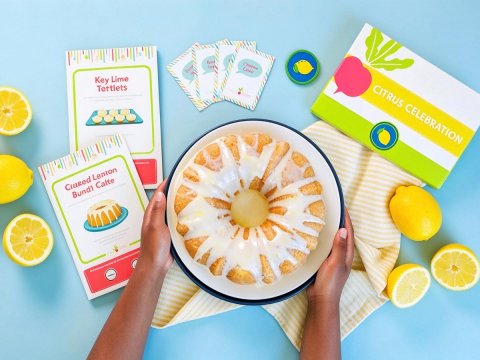
The catalog's core unit is not a toy but the kit — an all-in-one curriculum, from toddler through twelfth grade, arriving complete and ready to teach, with the customization promised in a minute. Selling the year rather than the object is a category decision aimed at the parent who wants a school, not a shelf: the kit says every subject is covered, the minute says the customization is real, and the store has turned the curriculum hunt into a single checkout. The kit is the school; the school is the product; and the product is why the parent stops assembling education from parts, and the parts were the thing that was drowning her.

Designed for the Wiggly Ones
Among the four pillars sits one the industry rarely prints — accessibility, specifically named for ADHD children and parents, for kids who need extra support, for those who would benefit from challenges. Naming attention differences in the differentiation is inclusion aimed at the parent who has watched her child fail in standard classrooms: the pillar says the materials were built for her child specifically, the naming says the company expects these families, and the store has made neurodivergence a headline rather than a footnote. The accessibility is the pillar; the pillar is the welcome; and the welcome is why the desperate parent trusts the kit, because the kit is the first thing in years that said her child's name out loud.
Three Generations of Testing
The about page carries a family album — the company founded in 1985, the photograph of the warehouse groundbreaking in 1989, the note that the family tests the materials on its own children and grandchildren. Printing the generations is provenance aimed at the skeptic who suspects curriculum companies of never teaching: the 1985 says the company predates the homeschool boom, the grandchildren say the materials survive real children, and the store has converted its family into the quality-control department. The generations are the proof; the proof is the backyard; and the backyard is where the testing happened before the warehouse did, and the warehouse is just the backyard with a roof.
The Scheduler as the Second Product
Beneath the kits sits a tool — the scheduler, activated by a code in the handbook, generating the year's plan and removing, as one reviewer put it, the guessing game from what comes next. Bundling the software is anxiety reduction aimed at the parent who fears the daily plan most: the scheduler says the sequence is solved, the activation code says the tool is hers, and the store has answered the most common homeschool question — what do we do today — before it is asked. The scheduler is the co-teacher; the co-teacher is free; and the free co-teacher is why the kit is trusted with the year, because the year is the thing that scared the parent more than any single subject.
Points That Do Not Buy Opinions
The loyalty program carries a disclaimer — customers earn points for reviewing products, and the rewards never depend on the rating given. Printing the disclaimer is review integrity aimed at the reader who suspects five-star walls of being purchased: the disclaimer says the points cannot buy praise, the never-depend says the system is policed, and the store has made its twelve-thousand five-star reviews more credible by admitting the incentive exists. The disclaimer is the credibility; the credibility is rare; and the rareness is why the review wall converts the skeptic it was designed to reassure, because the skeptic has read a thousand review walls and never seen the disclaimer before.
A Catalog You Can Hold
The 2026 catalog exists as a PDF — detailed descriptions, comparisons between kit tiers, the whole decision laid out in pages rather than dropdown menus. Publishing the catalog is deliberation aimed at the parent who wants to study before she buys: the PDF says the choice deserves a weekend, the comparisons say the differences are honest, and the store has slowed the customer down in order to speed her up. The catalog is the consideration; the consideration is the respect; and the respect is why the purchase, when it comes, does not bounce, because the bouncing happens at the checkout of the store that rushed her.
The State-Requirements Article
The education hub answers the regulatory anxiety directly — how the kits line up with state requirements, state by state, in plain language. Publishing the compliance guide is legal-anxiety removal aimed at the parent who fears the authorities more than the algebra: the article says the company has done the homework on the law, the state-by-state says the homework is specific, and the store has removed the second-biggest barrier after what-to-teach. The compliance is the article; the article is the permission; and the permission is why the parent who was afraid of the state buys the kit that reassures her, and the reassurance is worth more than any discount the state will never give.