Raddish kids shop review: things to know before ordering cooking kit subscriptions
Official homepage: https://www.raddishkids.com
Educational-toy stores usually promise academic skills — the code, the math, the science. Raddish Kids promises a life skill: the ability to cook dinner. The storefront opens with a quiet boast — the original monthly cooking and baking club — and the counter beneath it has shipped more than two million kits to children aged four to fourteen. I browsed with a child who can assemble a block tower but not a sandwich, and a curiosity about whether the kitchen could be taught by mail. Here is the counter, decision by decision.
Door Policy: The Original, Said First
The storefront's first claim is not the recipe or the theme but the precedence — the original monthly cooking club — four words that claim the invention of the category. Leading with originality is positioning aimed at the parent comparing subscriptions: the original says the curriculum has been iterated longest, the imitation risk is someone else's problem, and the store has converted its age into the first line of the pitch. The original is the door; the door opens onto two million kitchens; and the two million are the proof the original worked, because the copies are counted too.
Three Lines, Three Ages
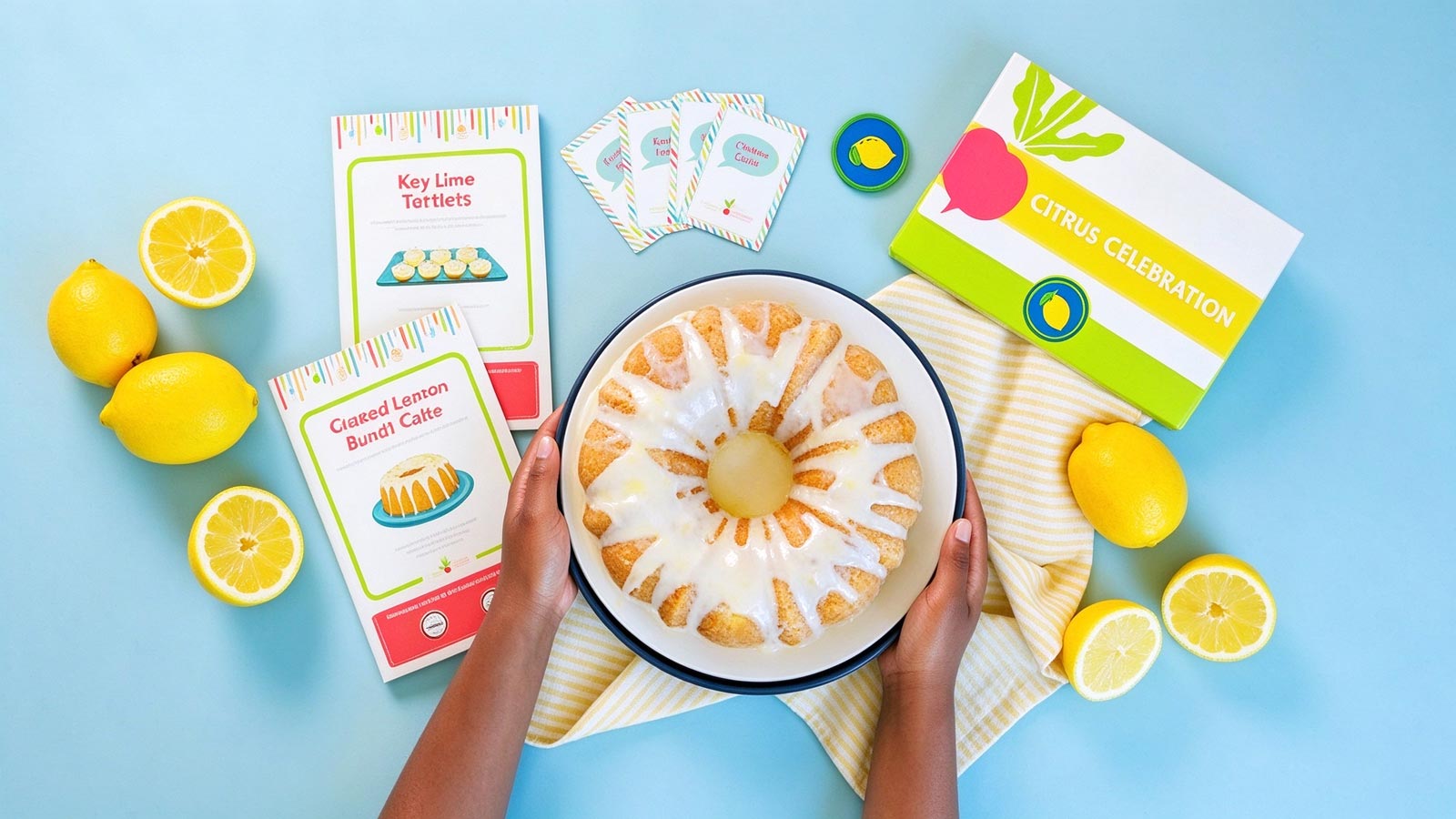
The catalog splits by age and ambition — the cooking line for ages four to fourteen, the global line for six and up, the baking line for eight and up — each a distinct subscription with its own photograph and promise. Segmenting by age is a ladder aimed at the household with multiple children: the four-year-old starts with the cooking line, the ten-year-old wants the global flavors, the twelve-year-old wants the baking club, and the store has made each child a separate subscription rather than forcing one box to serve three ages. The lines are the ladder; the ladder is the household; and the household is three subscriptions where the competitor sells one, and the one is why the competitor stays smaller.
The Global Table
The middle line travels — a global cooking subscription, the photographs showing bamboo steamers and unfamiliar ingredients, the copy promising new tastes, traditions, and techniques. Adding the global line is curriculum expansion aimed at the family that wants culture with its cuisine: the steamer says the recipes are authentic, the travel says the kitchen is a passport, and the store has converted cooking into geography without a textbook. The steamer is the souvenir; the passport is the curriculum; and the curriculum is eaten, which is the only kind of homework that gets finished, and the finishing is the review the brand never had to ask for.
The Baking Club for the Older Ones
The third line serves the demographic most subscriptions lose — the tween and teen — a baking club for eight and up, the copy promising skills that look professional. Keeping the older child is retention aimed at the churn most kids' brands suffer at puberty: the baking says the kit has grown up, the professional skills say the teenager is taken seriously, and the store has extended its customer years past the age where most toy boxes are outgrown. The baking is the bridge; the bridge crosses the tween years; and the crossing is the difference between a three-year subscription and a six-year one, and the difference is the lifetime value hiding in the frosting.
Sibling Add-Ons as a Philosophy
The contents list carries a small line with large implications — sibling add-ons, the extra tools and aprons that let a second child cook alongside the first without sharing the spatula. Designing for siblings is household harmony aimed at the parent who has mediated one too many turns: the add-on says the company understands sibling warfare, the extra tools say peace is purchasable, and the store has converted a logistical headache into a line item. The add-on is the peace treaty; the treaty is five dollars; and the five dollars is the cheapest arbitration the parent will buy all month, and the month is full of opportunities to spend more on less.
Laminated Cards as Kitchen Armor
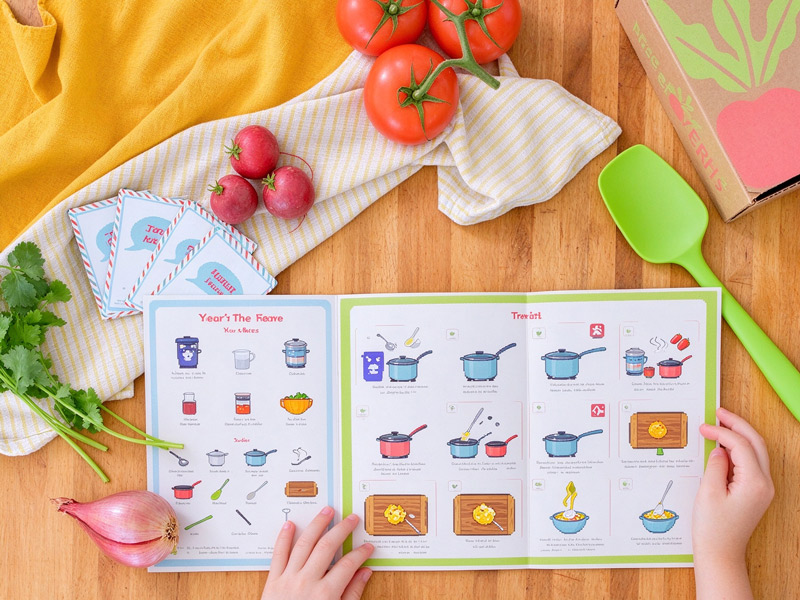
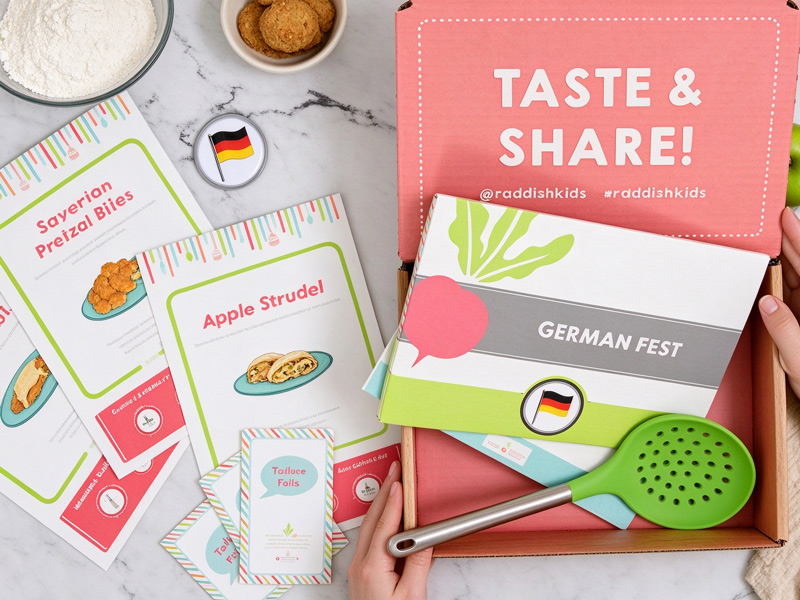
The recipe cards arrive laminated — the copy specifying durable materials, the cards built to survive flour, oil, and the wet hands of a seven-year-old. Laminating the cards is materials respect aimed at the parent who has watched paper instructions dissolve: the lamination says the company knows what a kitchen is, the durability says the kit is used repeatedly rather than once, and the store has made the card stock an argument for the subscription's longevity. The lamination is the armor; the armor is the reuse; and the reuse is the curriculum's real product, because the product is not the recipe but the recipe's survival of the second attempt.
No Gimmicks, Just Good Food
The recipes carry a disclaimer where the fun usually goes — chef-crafted, with real flavor, no gimmicks, just good food. Promising the absence of gimmicks is counter-positioning aimed at the parent exhausted by themed kits that sacrifice substance for sparkle: the no-gimmicks says the food is the point, the real flavor says the child's palate is respected, and the store has taken the side of dinner over decoration. The food is the curriculum; the curriculum is dinner; and dinner is the only school subject the whole family attends, and the attendance is the retention metric no other subject can match.
Two Million Kits as the Arithmetic
The scale arrives in a single line — over two million culinary kits shipped, thousands of trusted reviews — the numbers printed beneath the three subscriptions. Publishing the scale is trust aimed at the first-time subscriber: the two million say the operation has survived the logistics of perishables and children, the reviews say the survival is verified, and the store has let the arithmetic argue what a single testimonial cannot. The two million are the proof; the proof is the shipping; and the shipping is the hardest part of any subscription, which is exactly the part the numbers verify, and the verification is the pitch.