The op games, unplugged: the 30-year license machine behind telestrations and hogwarts battle
Official homepage: https://theop.games
Board game stores usually make games. The Op Games makes licenses playable — a Carlsbad, California company that has spent three decades converting the world's most valuable entertainment brands into family-table games, and along the way built an original portfolio so successful that its flagship party game outsells most indie publishers' entire catalogs. Founded in 1994 as USAopoly — the company that licensed Monopoly from Hasbro and started producing themed twists on the world's most famous board game — it rebranded as The Op Games in 2019 to reflect what it had become: a publisher in its own right, with award-winning originals like Telestrations sitting beside licensed juggernauts like Harry Potter Hogwarts Battle inside a licensor web spanning Hasbro, Disney, Marvel, Nintendo, and Warner Bros. The Shopify storefront is the company's direct line to fans — but as we will see, it is also competing with its own products' ubiquity everywhere else. Here is the store across its dimensions.
Thirty Years of Games With a Twist
The origin explains the catalog's DNA. USAopoly's founding business was Monopoly variants — the licensed twist on an unassailable classic — and that licensing discipline, built over thirty years with marquee partners, became the infrastructure for everything after. The 2009 launch of Telestrations, the sketch-and-guess telephone game that Board Game Geek named the number one party game, proved the company could create originals with the same mass appeal as its licenses. The rebrand to The Op simply put both halves of the business under one name.
The Originals Shelf
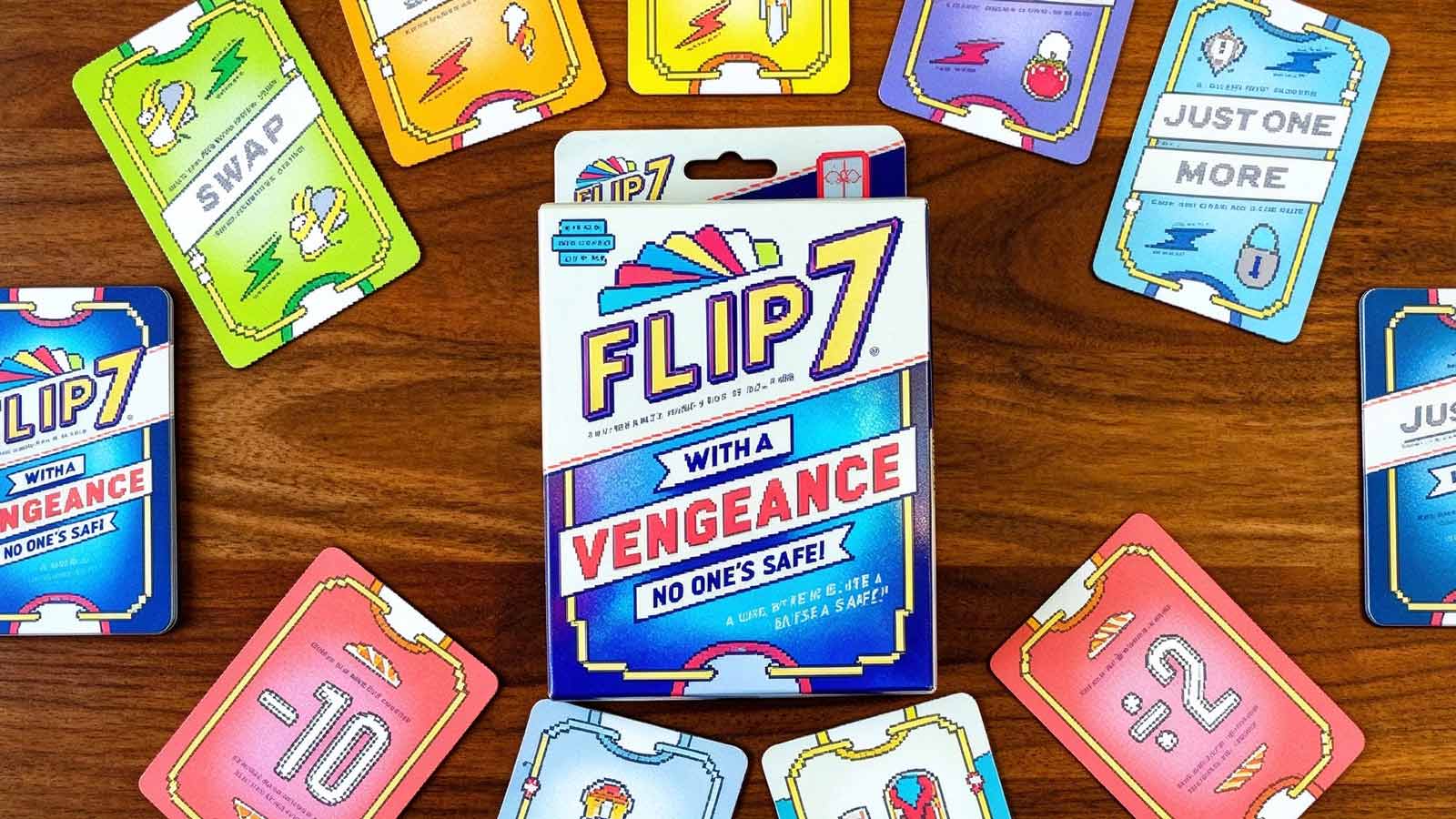
The in-house catalog is the store's quiet strength. Telestrations remains the flagship — the original runs around thirty to forty dollars, the twelve-player Party Pack with its erasable sketchbooks sits near seventy at retail, and the After Dark edition owns the adult-party niche. Hues and Cues turns color description into a guessing game, Tapple is a word-press timer staple, and Blank Slate does party telepathy at fifteen minutes a round. The newest push, Flip 7, is being seeded aggressively — free copies thrown from parade floats, promo packs handed out on the street, giveaways running on BoardGameGeek — the same saturation playbook that launched Telestrations sixteen years earlier.
The License Engine
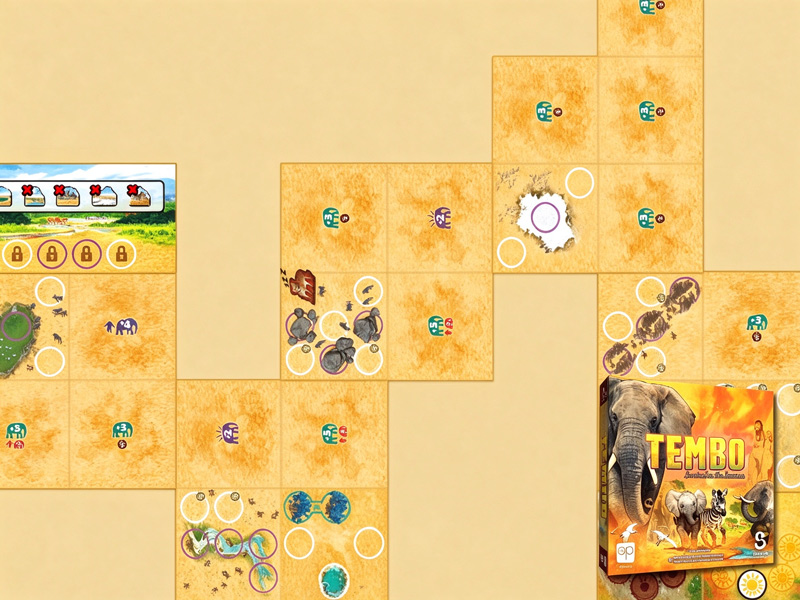
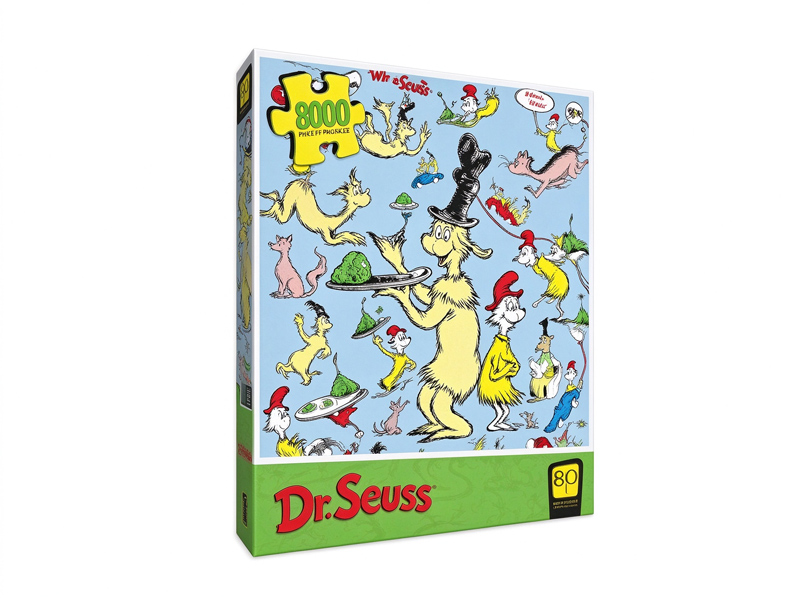
The licensed wall is where the thirty years show. Harry Potter Hogwarts Battle, the cooperative deck-builder that walks players through all seven books with escalating difficulty, became the definitive family gateway game for a generation of fans, with expansions that reviewers describe as adding real depth once the base game's seven levels become familiar. Around it sit licensed Monopoly editions that function as collector objects — the Elf edition, the RuPaul's Drag Race edition, a World of Warcraft Collector's Edition — alongside Super Mario Chess, Munchkin Harry Potter, Clue and Trivial Pursuit variants, and a deep puzzle line. Every product on this wall is a small masterclass in license execution: familiar rules, premium components, artwork that respects the source material.
When the Publisher Is Also a Retailer
Here is the structural tension every shopper should understand. The Op's games are everywhere — Amazon, Target, Walmart, Staples, and international marketplaces all carry the catalog, usually at discounts the direct store does not match. Ecommerce trackers put the direct store's average order value between $175 and $200, which tells you the direct channel's real job: exclusives, promo-driven bundles, collector editions, and the fans who want the free-game initiatives and promo packs the company uses as its marketing engine. Buying a single Telestrations, you will almost always find a better price at retail. Buying the exclusive, the bundle, or three games at once, the direct store starts to make sense.
Free Games as Marketing Physics
The company's promotional generosity deserves its own paragraph because it is engineered, not charitable. BoardGameGeek giveaways seed the enthusiast forums; street teams hand promo packs to strangers; free copies of Flip 7 fly off parade floats; and the blog chronicles the math behind it all — each free game functioning as a customer-acquisition cost that retail shelf placement would charge far more to achieve. For a publisher whose products live or die on table presence, getting a copy into a stranger's game night is the highest-leverage marketing spend in the industry.
What the Small Review Wall Says
The honest caveat: the direct store's independent evidence wall is thin. Review aggregators show feature scores in the low fours — value 4.6, shipping 4.3, customer service 4.1, returns 4.0 — across only about fifteen reviews, and a broader brand-review site scores the store 3.8 from just six entries. Nothing alarming hides in the small sample, but nothing proves much either; the products' real reputation lives in the millions of retail reviews for Telestrations and Hogwarts Battle rather than the store's own wall.
Where to Buy Their Games
The practical guidance, then. For a single mainstream title — Telestrations, Hogwarts Battle, a Monopoly variant — compare retail first, where the same boxes routinely undercut direct pricing. For exclusives, collector editions, bundles, and anything riding a promo, the direct store is the only shelf that matters, and the free-game initiatives make following the brand's channels its own small dividend. The store runs the standard Shopify checkout with the usual shipping thresholds, and the catalog's retail ubiquity means the direct experience is never your only option — which is, in the end, the most honest thing about it.
Passing Go
The Op Games is the license machine that learned to build originals — thirty years of Monopoly twists that financed a portfolio where a sketch-telephone game became the industry standard for party play. The direct storefront is the smallest interesting thing about the company, which is itself the point: this is a publisher that lives on retail shelves worldwide and uses its own store for exclusives, promos, and the fans who want the bundle. Buy the hits wherever they are cheapest, watch the giveaways for the next Flip 7, and respect the machine that has kept family game night licensed, twisted, and laughing for three decades.