Boardgamegeek store, behind the curtain: where the hobby's town square sells its own merch
Official homepage: https://boardgamegeekstore.com
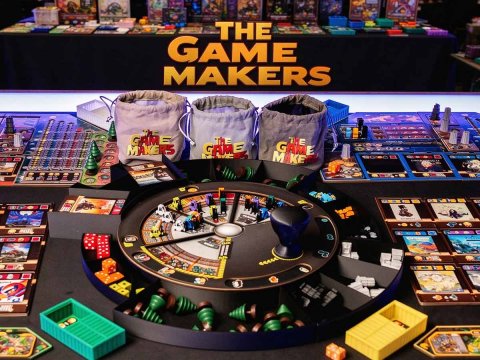
Board game stores usually need marketing. BoardGameGeek's store is the only one in the industry whose parent site is the marketing — a storefront bolted onto the largest tabletop community on Earth, where millions of players log their collections, rate their plays, and argue about design, and where the store itself functions as the official gift shop of the hobby's town square. BoardGameGeek the database has anchored the industry since 2000, built by Scott Alden into the definitive catalog of record; the Shopify store that grew from it sells something stranger and more valuable than games — it sells access. Promotional cards that were once convention exclusives, house-branded accessories, museum-quality art prints, and the occasional object whose only justification is that nowhere else on the internet sells it. I went through the monopoly, the house brands, and the fine print. Here is the store across its dimensions.
The Town Square Gets a Cash Register
The structural advantage is almost unfair. Where other accessory stores buy advertising, the BGG Store simply exists inside the ecosystem where every serious collector already lives — cross-linked from the parent site's shopping wiki, promoted through its GeekMail newsletter, and staffed by the same organization that runs the conventions where its products were originally distributed. The result is a store whose customer-acquisition cost approaches zero and whose authority no competitor can buy.
Promos You Cannot Buy Anywhere Else
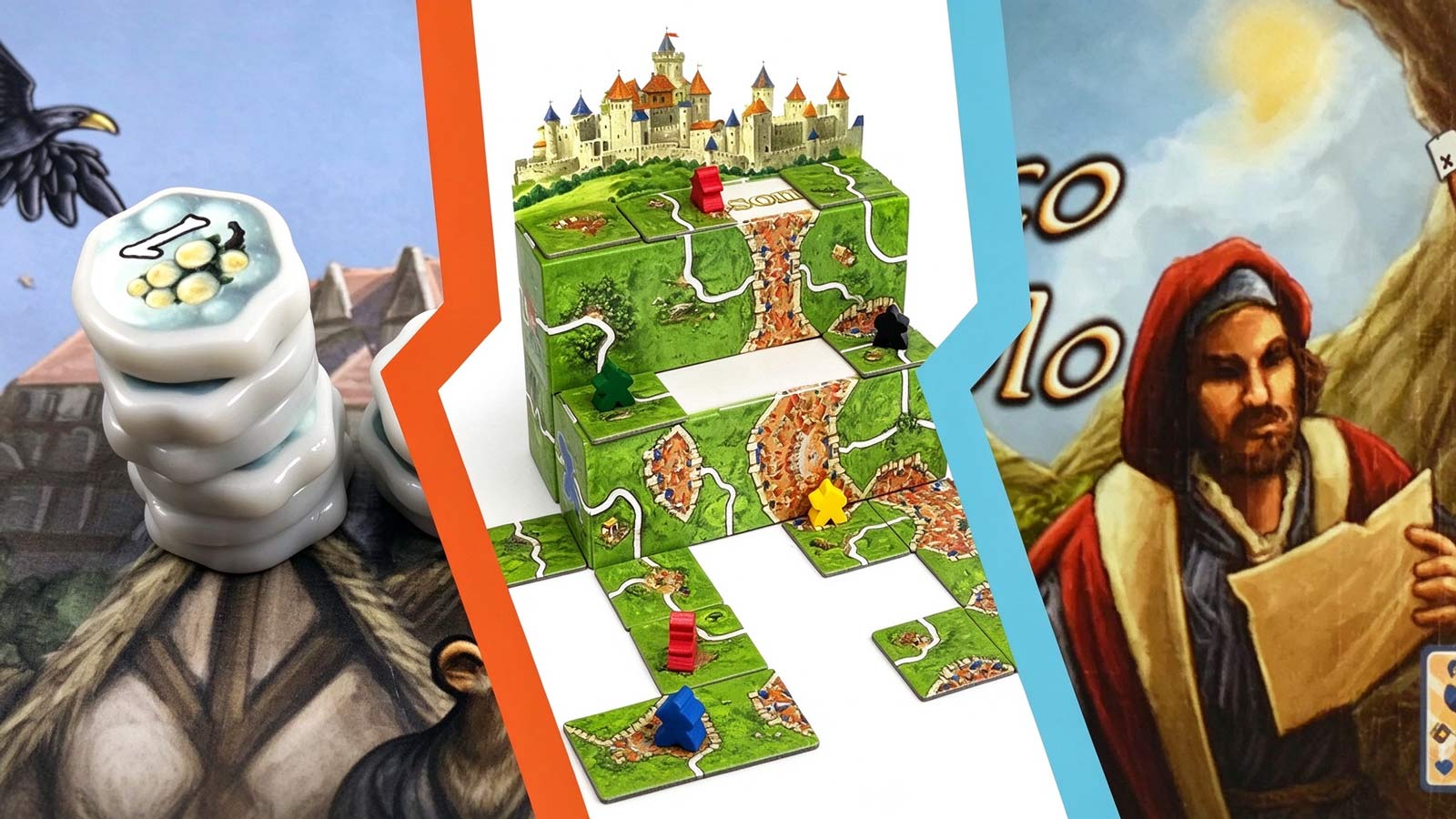
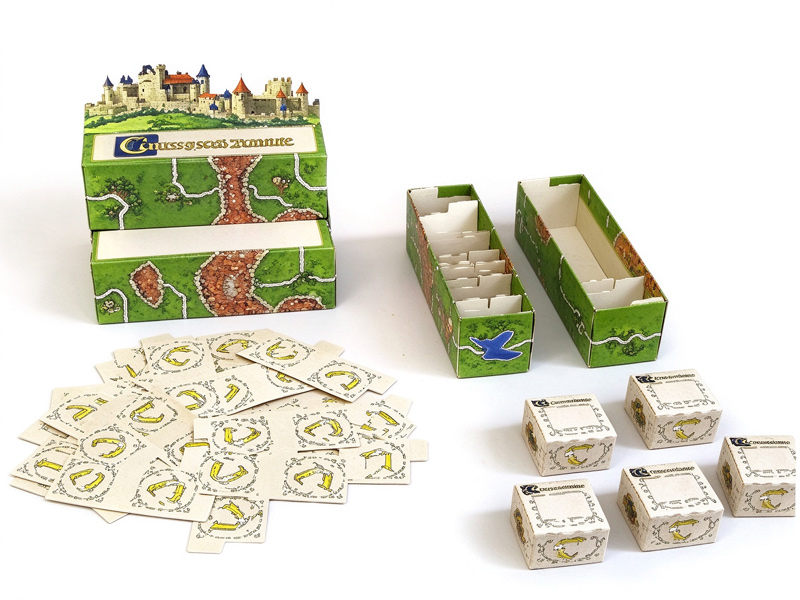
The core catalog is the hobby's lost-and-found. For decades, publishers produced promotional cards, miniatures, and tiles as convention giveaways and crowdfunding bonuses — objects that made games better and then vanished into the aftermarket at brutal markups. The BGG Store aggregates them by the hundreds: the War of the Ring Treebeard promo, an Essen 2012 exclusive, sells for ten dollars; Carcassonne's GQ promotional tiles sit beside expansion-sized scenarios for cult titles. For completionists, this is the single most important shop in tabletop — the difference between a collection that is merely complete and one that is complete-complete. The store's own tagline, "one-of-a-kind products unavailable anywhere else," is not puffery; it is a description of the business model.
GeekUp: The House Brand
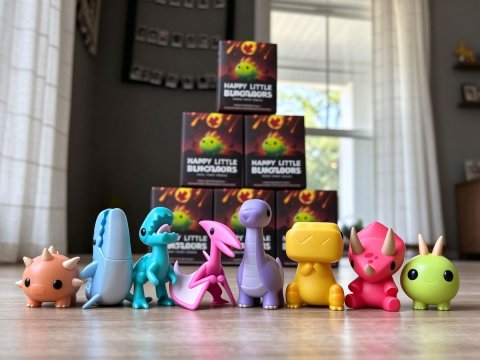
Around the rescued promos sits the store's own manufacturing. GeekUp bits — storage bags, token boxes, and component upgrades — carry the BGG logo into the accessory business directly, with European distribution handled through a regional partner so EU customers avoid transatlantic postage. The line is competent rather than revolutionary, but it benefits from the same trust architecture as everything else the brand touches: the community assumes quality because the community vouches for the seller.
Games as Art
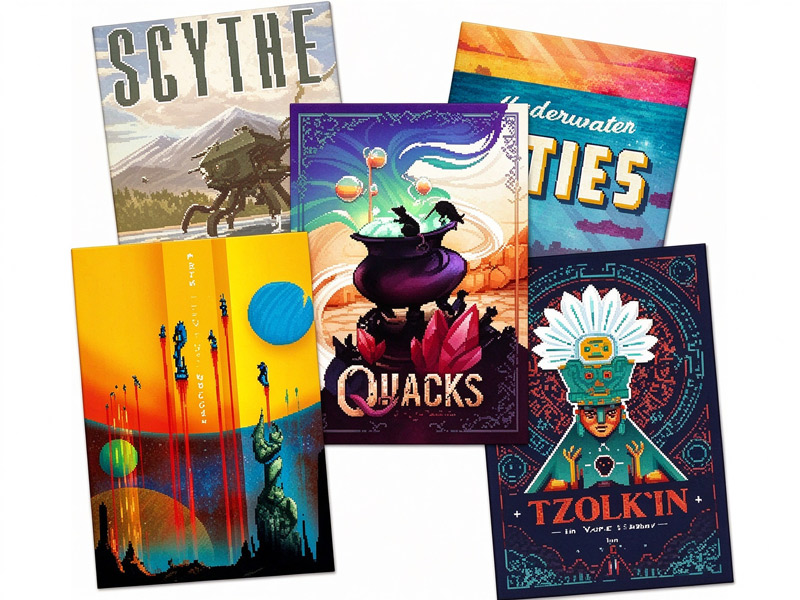
The most unexpected shelf is the Artist Series: museum-quality giclée prints in which professional game illustrators reinterpret iconic titles in their own styles — a favorite artist's take on a favorite game, priced as wall art rather than merchandise. The series reached its tenth installment and moved to crowdfunding for its latest run, and it represents the store at its most curatorial: less a retail operation than a patronage program that pays industry artists to treat their own commercial work as fine art.
The Convention Circuit as Storefront
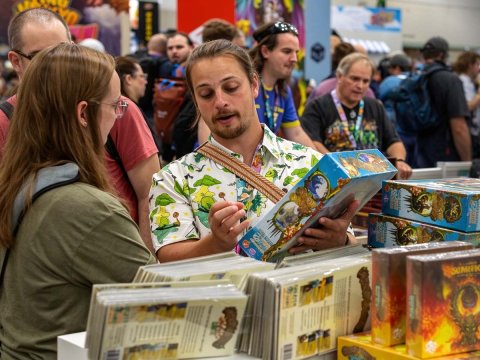
The store's physical life matters as much as its digital one. At BGG's own conventions — the spring event and the flagship fall gathering in Dallas — the store sets up with fifty of its most popular promos, GeekUp stock, sleeves, and new apparel, and gift certificates redeem in person, blurring the line between ticket, merchandise, and souvenir. For attendees, the convention store is a ritual; for the business, it is inventory rotation with a line out the door.
Satisfied or Refunded, Plus International Reach
The policies match the institutional confidence: worldwide shipping and a posted "satisfied or refunded" promise that goes the extra mile to make buyers happy. The economics to understand are small-ticket ones — a ten-dollar promo carries real shipping weight, so orders justify themselves best when bundled. International buyers get EU-routed fulfillment for GeekUp lines and standard international post for the rest; the store's audience is global because its parent site's audience is global.
The Honest Ledger
The critique file is structural rather than scandalous. Promo pricing is what scarcity permits — ten dollars for a single miniature is fair as archaeology and absurd as plastic, and buyers know it. The "satisfied or refunded" guarantee sits atop a modest review wall rather than a massive one, and the scarcity culture the store serves invites the criticism that completionism is a treadmill the house happily fuels. The Game Gags parody-sticker line is an acquired taste. None of this diminishes the store's unique position; all of it belongs in the basket-math before checkout.
One Last GeekMail
The BoardGameGeek Store is the rare shop whose existence requires no explanation to its customers — the hobby's institution of record, running a gift shop full of objects that would otherwise exist only in eBay memory, with a house accessory line, an art patronage program, and a convention floor presence that turns its newsletter into a shopping channel. Buy the promo your collection has been missing for years, bundle enough to make the shipping honest, and let the GeekMail land in your inbox like it has for twenty years: unremarkable, authoritative, and occasionally offering you a Treebeard.