Bézier games, drawn different: the illustrator who turned werewolves into modern classics
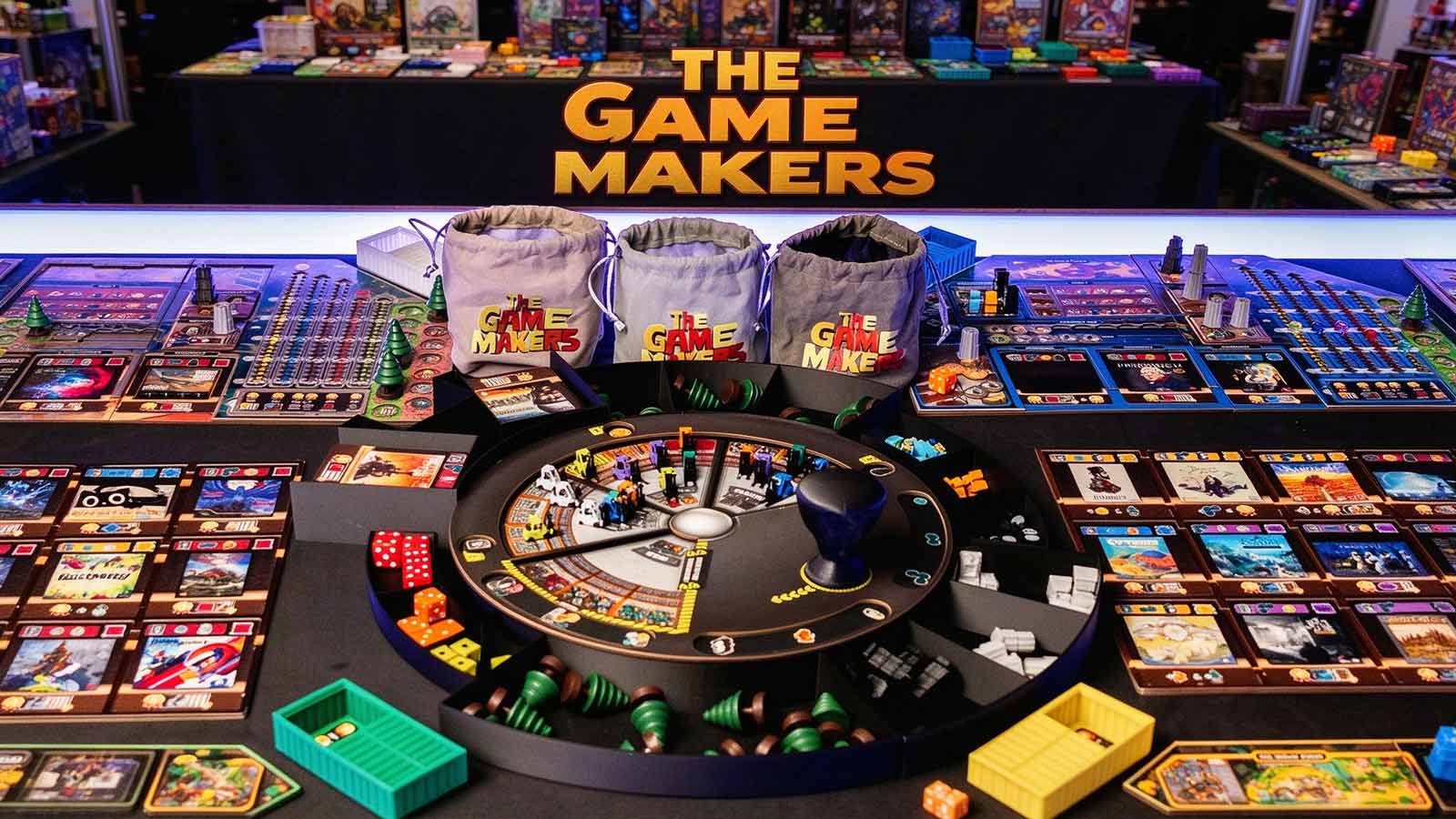
Official homepage: https://beziergames.com
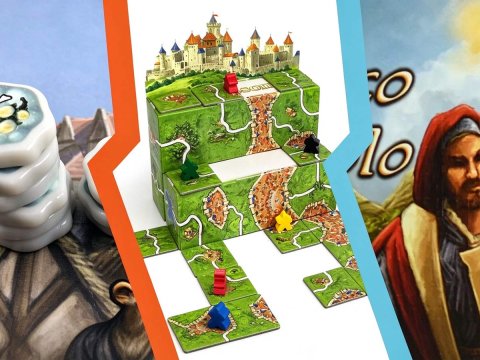
Board game stores usually begin at a game table. Bézier Games began in a vector-graphics program. Founder Ted Alspach spent twenty years as one of the world's leading experts on Adobe Illustrator — group product manager across multiple releases, author of eighteen books on the software — before the software's signature curve tool lent his company its name and its design DNA: clean lines, deliberate simplicity, and an engineer's patience for iteration. Founded in 2006 with a card game called Start Player, the company spent its first years publishing expansions for Age of Steam and building Ultimate Werewolf into the definitive moderated social-deduction party game. Then, in 2012, two big boxes — Mutant Meeples and Suburbia — announced a publisher with ambitions beyond the party shelf, and the years since have produced a catalog the company calls "the new classics": Castles of Mad King Ludwig, Werewords, the One Night series, and a growing roster of other designers' work. I went through the dual design-publisher model, the app layer, and the self-documented tradeoffs. Here is the store across its dimensions.
The Illustrator at the Table
The origin explains the aesthetic. Alspach's design philosophy — replayability through "component overkill," accessibility through getting-started guides that have new players rolling within minutes, nuance that rewards mastery without punishing first-timers — reads like a software product spec, and it behaves like one on the table. The dual role is rare and load-bearing: Alspach designs, develops, and publishes, and the company also publishes other distinguished designers including Tom Lehmann, Friedemann Friese, Scott Caputo, and Rob Daviau, with more than eighty standalone designs and expansions carrying his own name.
Werewolves Paid for the Castles
The portfolio is a two-engine machine. The social-deduction line — One Night Ultimate Werewolf, released in 2014 with Akihisa Okui and since expanded across vampires, aliens, and super villains — funds the strategy line: Suburbia's city-building tile economy, Castles of Mad King Ludwig's mad-libs architecture, Whistle Stop's route-building. Werewords earned a Spiel des Jahres nomination in 2019, the industry's highest honor, and the Silver card series keeps the werewolf universe fresh for two-player households. The formula lets one audience subsidize the other, and a decade of catalog depth shows the balance holding.
The App Is Part of the Box
The dimension most publishers get wrong: software as component. The free One Night app narrates the night phases with a timer, eliminating the moderator bottleneck that killed party-game momentum for decades — a design decision, not an afterthought, and the reason the game scales from three to ten players at a dinner table. Werewords pairs a fifty-thousand-word categorized database with its twenty-questions interrogation, so no moderator needs to invent clues. Alspach frames the app layer as core design vocabulary, and players who demand fully analog nights can still run games manually — but the company's bet is that the phone on the table is a feature, and the sales figures keep agreeing.
Never Borrowed a Dime
The financial doctrine is the company's most quoted line: it has never borrowed money, funding each print run from the last game's profits. The benefit is creative independence and a bulletproof balance sheet in an industry littered with collapsed publishers. The cost is equally documented — conservative print runs mean successful games sell out, and Alspach tells the story himself: Suburbia's early manufacturer shipped with production flaws, and the company mailed replacement pieces to early adopters at its own expense while learning the lesson. Low print runs plus honest manufacturing choices versus shelf availability is the trade every Bézier customer should understand before preordering.
Deluxe Editions and the Second-Buy Question
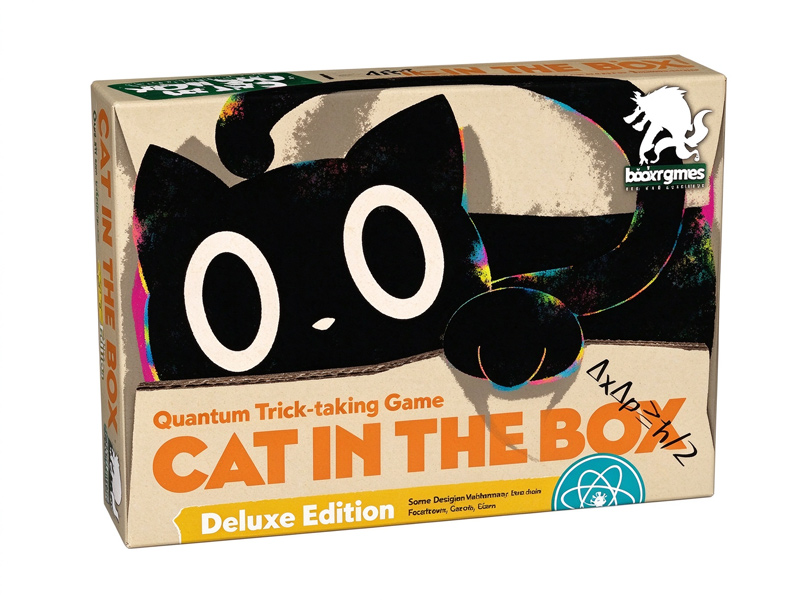
The catalog's upgrade cadence deserves the honest treatment. Deluxe and refreshed editions — the Castles of Mad King Ludwig Deluxe campaign, Werewords Deluxe — give owners polished component upgrades and newcomers the definitive version, but they also ask existing fans to buy again. The company's answer is additive rather than extractive: editions consolidate errata, improve tolerances, and typically arrive years apart, and the Kickstarter format lets backers choose their tier. Completionists should budget accordingly; casual owners should know the base games do not expire.
The Replacement-Parts Shelf
A small detail that signals publisher character: the store maintains a replacement-components page, and the support habit extends to shipping parts to owners of long-out-of-print editions where feasible. Combined with free-United-States-shipping preorder campaigns — the Ultimate Werewolf Legacy campaign shipped direct with free shipping in 2018, and the pattern repeats across releases — the direct store functions as the service wing rather than merely the sales wing.
The Honest Ledger
The critique file, assembled. Stockouts are structural, not accidental — the bootstrapped model rations inventory, and hot titles go unavailable between print runs. The party-strategy split means half the catalog will feel light to euro gamers and half will feel heavy to party crowds, and the store does not pretend otherwise. App dependence annoys the analog purists even with manual-play options. And the deluxe-edition cadence, while generous to newcomers, tests completionist wallets. None of this is scandal; all of it is arithmetic.
One More Night
Bézier Games is the designer-publisher hybrid that Illustrator built: a two-engine catalog where werewolves fund castles, apps function as components, finances stay conservative enough to survive industry winters, and the direct store doubles as a parts department. Buy One Night Ultimate Werewolf for the game night that needs rescuing, Castles of Mad King Ludwig for the shelf that needs anchoring, and do not wait on a hot title — low print runs reward decisiveness. Thirty years in, the new classics keep earning the name.