Subscribing to milestones at lovevery: play kits, week-by-week guides, and the brain-deadline urgency
Official homepage: https://lovevery.com
Toy stores usually sell you objects. Lovevery sells you a schedule. The Montana brand built its Shopify shop on a deadline no parent can renegotiate, then engineered every mechanism around it — positioning, subscription, naming, retention. I browsed it with the solemnity of a late registration, studying how the shop itself is run. Here is the operating manual.
Positioning: A Registrar's Office, Not a Toyshop
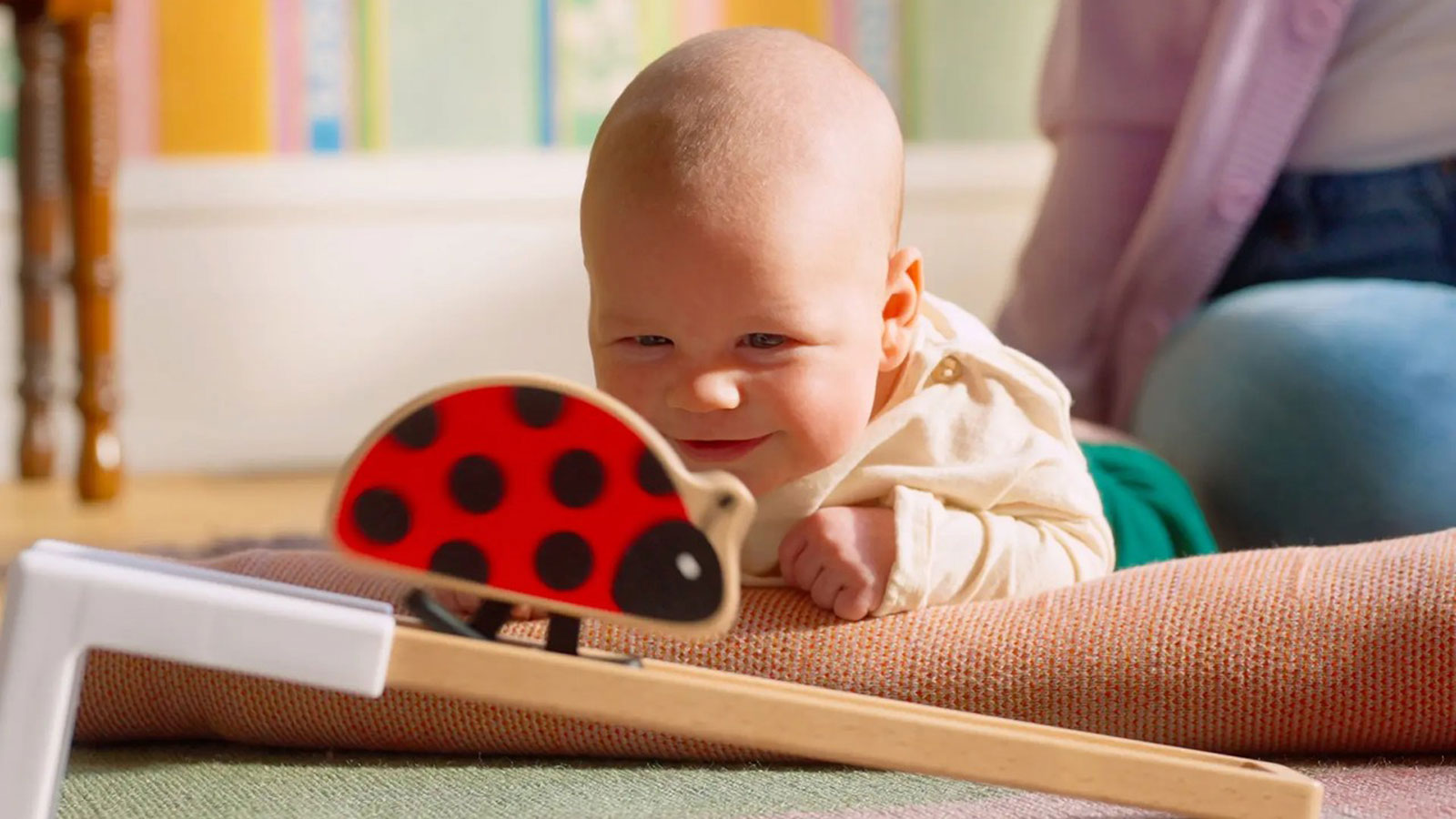
The title tag sets the trade — "Stage-Based Play for Your Child's Developing Brain" — and the homepage copy closes it: "Invest now for the greatest impact on your child's future," printed beside "Ninety percent of your child's physical brain growth occurs by age 5" and a baby too young to know it is behind schedule. Urgency is not the marketing mood here; it is the business model, framed as infrastructure for a window that closes.
The Subscription Mechanism Is a Scheduling System
The core SKU is a cadence — "Playthings and books delivered every 2-3 months" — and bolted to it are two retention devices: "The Play Guide, which provides essential instructions on ways to play that age up with your child," and "week-by-week developmental tips and activity ideas." The guide turns each shipment from a box of goods into a term of coursework, which is what makes the every-few-months billing cycle read as enrollment rather than a subscription awaiting cancellation.
SKU Architecture: Personas Stamped in Months
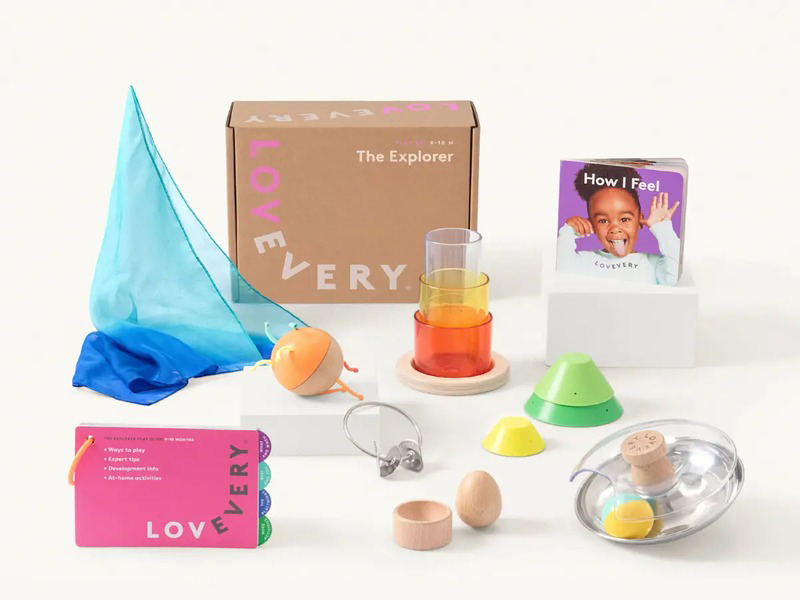
The catalog is a roster of named stages — The Looker, The Charmer, The Sensor, The Thinker, The Explorer, The Analyst — each box stamped with its month range: "45, 46, 47, 48 MONTHS." The naming is a store-design decision doing two jobs at once. It gives the shelf a visible narrative of progress, and it makes the next kit legible as a sequel rather than a repeat purchase. The closet becomes a transcript; re-ordering becomes continuation.
The Trust Structure Repeats Itself in Threes
The quality claims arrive as a fixed triad — "Built for safety and tested through hundreds of hours of play studies," "Proven in the real world with millions of families," "Made with the premium, natural materials you would choose for your child" — with the photography arguing the third before the copy reaches it: unpainted wood, matte fabric, a nursery palette. "We did all the research so you don't have to" caps the structure. Three claims, one mercy line, deployed everywhere a parent might otherwise keep verifying.
The Conversion Funnel Stages Hardware First
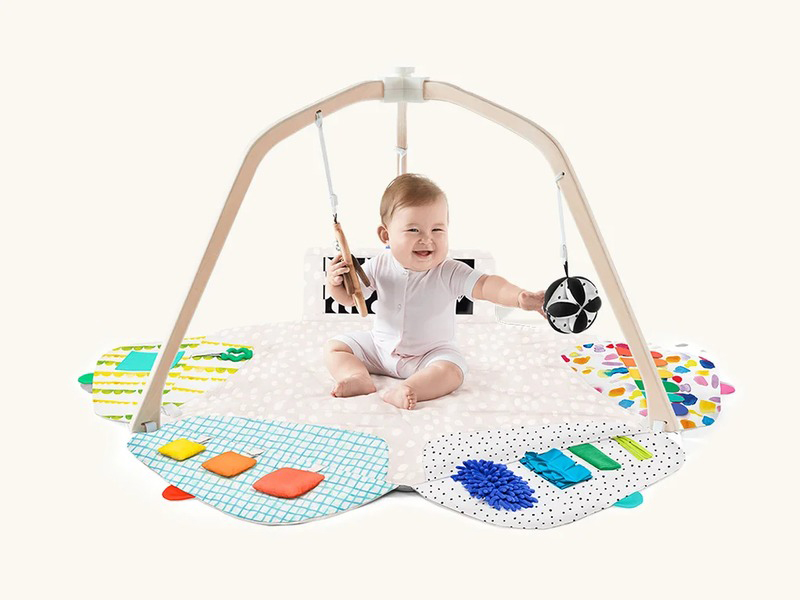
At the funnel's mouth sits a one-time purchase: the Play Gym, a wooden arch with contrasting cards and textured flaps, photographed with a baby mid-reach. Its architectural function is acclimation — it teaches the design language and the premise before the first kit ships, the way a university sells a hoodie before the semester starts. One-off hardware at the door; recurring syllabus behind it.
Retention Runs Through the Inbox
The email program is the continuing-education arm: sign up for "activity ideas, helpful child development info, and exciting product updates" — content first, commerce third. Even marketing permission arrives dressed as a parenting digest, keeping the channel open between shipments and the churn decision permanently deferred.
The Churn Is Built In
The same deadline that powers conversion caps retention. The staging ends at The Analyst — the store positions itself as "Ages 0-5" — and the mechanism that monetized your child's development graduates from your family at kindergarten, retention engine and all. The business model carries its own expiration date, which reads as either honesty or architecture, depending on which kit you opened second.
Final Thoughts
Run as machinery, Lovevery's store is a clean circuit: a neuroscience deadline for positioning, a syllabus subscription for recurring revenue, persona-named SKUs for sequel logic, a triadic trust structure for verification fatigue, hardware at the funnel's mouth, a teaching inbox between shipments, and a built-in graduation at five. If you want your toy-buying administered by a system that respects your urgency, every dial is calibrated. If you provision childhood one garage-sale treasure at a time, the machine will read as leverage wearing a lab coat.