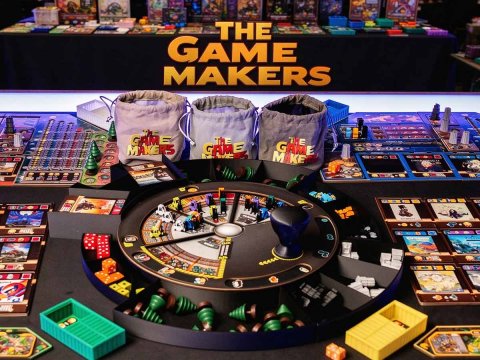
Stonemaier games, unboxed: wingspan's publisher still writes the tabletop playbook in public

Official homepage: https://store.stonemaiergames.com
Board game stores usually sell boxes. Stonemaier Games publishes a worldview — and then writes about how it did it, in public, on a blog that readers visit more often than the store itself. The company began in 2012 when Jamey Stegmaier and Alan Stone crowdfunded Viticulture, a wine-making worker-placement game, on a shoestring; three years later Scythe raised $1.8 million and defined a genre; four years after that, Wingspan — a bird-collecting engine builder designed by Elizabeth Hargrave — sold more than a million copies and pulled an entire generation of new players into the hobby. The twist is that the direct storefront is almost an afterthought: roughly 99.9 percent of Stonemaier product moves through distributors to retailers, and the webstore exists as much to serve the superfans as to move units. I went through the counter, the membership program, and the honest record. Here is the store across its dimensions.
The Kickstarter Playbook, Then the Store
The origin matters because it explains the candor. Stegmaier chronicled every crowdfunding lesson in real time — fulfillment, manufacturing partnerships, stretch goals, mistakes — until the blog became required reading for anyone launching a product on the internet. The company stopped crowdfunding after 2015 (its last campaign) and pivoted to the playbook's natural endpoint: keep publishing tentpole games, keep shipping them through the same four fulfillment centers, and keep writing about the business of publishing with a transparency competitors find unnerving.
A Shelf Built on a Blog
The numbers behind that candor are startling. In the company's own 2026 channel report, Shopify analytics attribute $1.6 million in webstore sales over the trailing twelve months to the website itself — with no advertising, just articles and videos that readers follow into the store. The blog covers game design, entrepreneurship, manufacturing (the same Canadian-headquartered, China-based partner, Panda GM, has produced the line for over a decade), accessibility, and the occasional self-critique. Reviewer relations run on published guidelines rather than favors: a 300-plus-person list, transparency disclosure requirements, and regional shipping that mirrors customer fulfillment. It is content marketing executed as editorial integrity, and it works because Stegmaier has been doing it for fourteen years without an off switch.
What the Counter Actually Sells
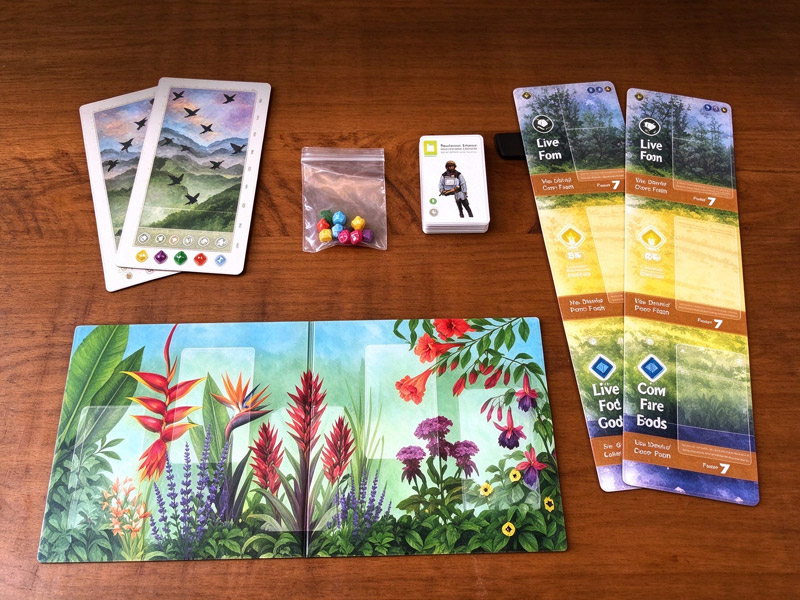
The storefront — a Shopify instance mirrored across US, Canadian, European, and Australian regional shops — prices core products in the $20-to-$60 band, with flagship boxes above it and small accessories below. Two quirks define the assortment. First, promos and small expansions are deliberately scarce here: most promo content is routed through a third-party accessories partner, and the store uses a Shopify add-on-only app logic for the smallest items because first-class postage would make a $5 card set a money-loser. Second, inventory logic is engineered around the preorder calendar, with the US store promising shipment within about five days and backing purchases with a twenty-day price guarantee — buy today, and if the price drops within three weeks, the difference comes back.
The Champion Program
The store's beating heart is a membership that is half loyalty program, half fan club. Stonemaier Champions pay a recurring fee for perks that matter to the people who buy everything the company makes: 25 percent off every order, unlimited free US shipping, and advance delivery on pre-orders — their copies ship as soon as stock lands rather than waiting for the retail street date, a detail that effectively flips the normal launch dynamic for the brand's most dedicated customers. The company is endearingly honest about the machinery: the membership runs on a Shopify recurring-membership app that Stegmaier himself rated "mediocre at best," requiring manual workarounds for free-shipping codes. The perks, not the plumbing, are what retain members.
Four Warehouses, Retail-First Reality
The structural reality tempers any expectation that the direct store is where Stonemaier makes its money: the model is explicitly distributor-first, with the webstore serving access, accessories, and the Champions. Consequences follow. Casual buyers pay full MSRP direct while online retailers routinely discount the same boxes; the $10-ish flat shipping rate and the price guarantee soften but do not erase the gap. The pre-order advantage belongs to Champions. And the regional store architecture means international fans get local fulfillment rather than cross-border postage roulette — one of the quietest operational advantages in tabletop publishing.
Accessibility and Sustainability as Product Spec
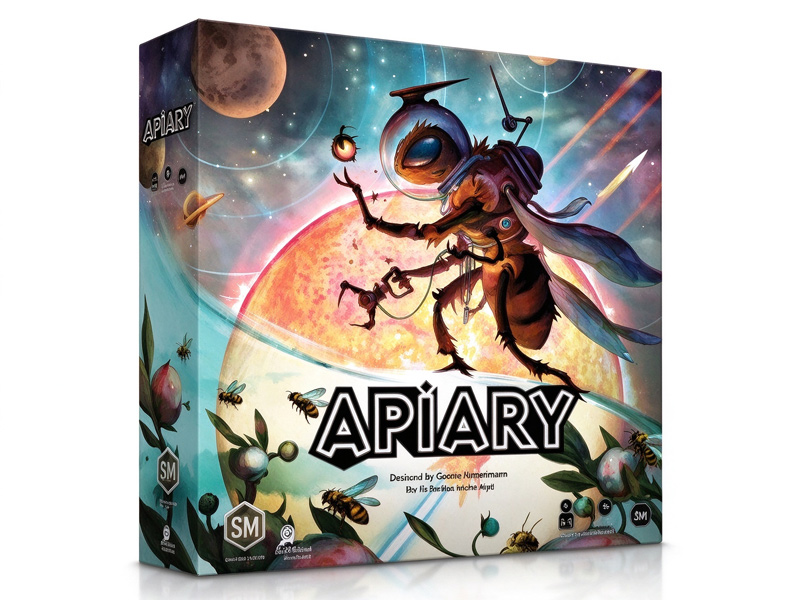
Two commitments run through the catalog like a design language. The "include, not exclude" mission statement — experienced gamers and new ones, all ages, all backgrounds — shows up in rulebook construction, component heft (Wingspan's trays and dice tower exist to make teaching easy), and solo modes that most competitors treat as afterthoughts; the Tokaido rerelease, for instance, ships its upgraded solo mode as a separately purchasable pack so existing owners never rebuy the base game. And environmental sustainability plus accessibility are standing evaluation criteria on every production run — not a marketing page, a manufacturing gate.
The Honest Ledger
The critique file, assembled. The direct store's MSRP pricing reads as a Champions-only channel in disguise. The review-wall average sits at 3.7 across a small thirty-nine-review sample — service grievances mostly, and small-n. Quality varies title to title, as the critical record shows: Pendulum shipped with components critics called poor for the price, Euphoria's theme is a known muddle despite excellent mechanics, Red Rising felt clunky next to its inspiration. Small promo items are hard to buy here by design. And the membership app remains, by the founder's own admission, held together with manual workarounds. None of this diminishes the shelf; all of it belongs in the buying decision.
The Endgame
Stonemaier's store is the publishing house's front office rather than its engine room — a Shopify instance kept deliberately small, priced at list, and tuned to reward the faithful while the real volume flows through friendly local game stores. Buy your first Wingspan wherever it is cheapest; buy your expansions, accessories, and every future release here if the Champion discount and early shipping mean anything to you; and read the blog either way, because it remains the best free education in the board game business.