Stocking capstone's heavy shelves: ark nova anchors, plus-member discounts, coming-soon aisles, playmat bundles
Official homepage: https://www.capstone-games.com
Board-game stores usually sell the game. Capstone sells the commitment to a genre — the storefront is stocked with heavy strategy, the kind of boxes that ship with board-mounted player aids and rulebooks thick enough to frighten the uninitiated. I browsed with a shelf already sagging under one too many four-hour economic simulations and a weakness for publishers who know exactly who they are serving. Here is the counter, decision by decision.
Door Policy: One Phenomenon Anchors the Store
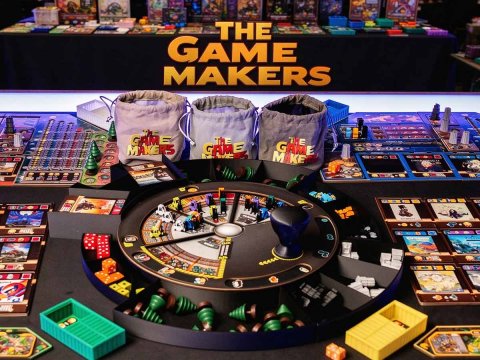
The homepage opens not with a logo but with an elephant — a slow video pan across the box of Ark Nova, the zoo-building strategy game that became a global phenomenon, its assembled components filling the frame. Anchoring the entire storefront on one certified hit works differently for heavy games than for party titles: the visitor who knows Ark Nova already trusts the rest of the shelf, and the visitor who does not receives the store's entire thesis in a single image — this is where the big, serious boxes live. The elephant does the qualifying before a single filter is clicked.
Capstone+ Buys the Whole Shelf Cheaper
The membership program states its terms in one breath — twenty percent off everything, sale items included, plus member-only flash sales and a private newsletter carrying early announcements, restocks, and event news. Granting the discount on top of existing sales trades margin for frequency: the heavy-strategy buyer purchases in waves, a standing twenty percent turns each new release into a members' event, and the newsletter becomes the standing invitation. Loyalty here is not points; it is a better price for caring early.
The Pipeline Wears a Calendar
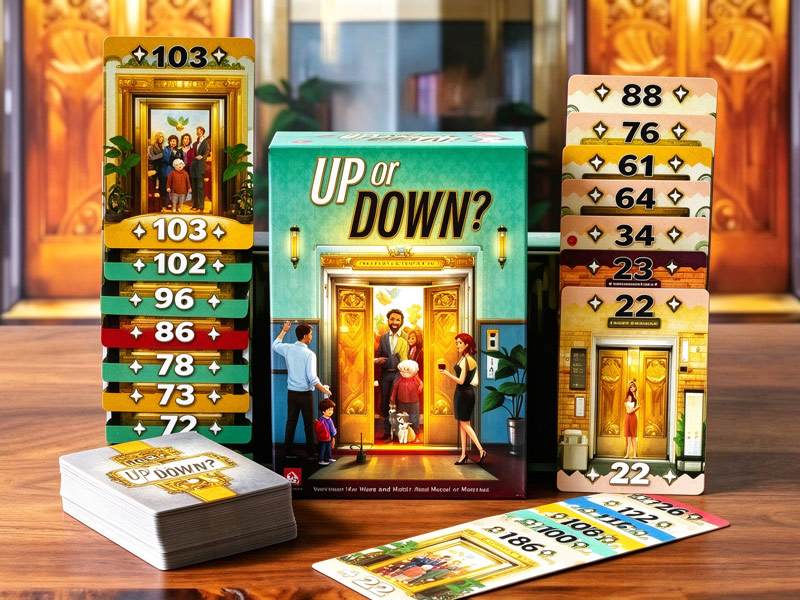
Scrolled past the new releases, the store keeps a visible pipeline — titles marked for October shipping, November arrivals, December releases, each carrying its month like a train schedule. Publishing the calendar this far ahead converts browsing into waiting lists: the heavy-game audience plans purchases weeks out, and the pipeline itself becomes newsletter content that the membership program feeds. A public schedule turns anticipation into a subscription asset.
Series Outlive Single Titles
Beneath the hits runs a second logic — designed families that persist across releases, the rail-building line continuing through multiple volumes, each compatible with the last. Treating a designer's ongoing system as a series rather than a shelf of unrelated boxes aims at the completionist instinct the heavy genre cultivates: the customer who owns the first rail game owns an argument for every sequel, and the store never re-sells the concept, only the next chapter. The series is the retention engine; the box is the chapter.
Playmats Bundled, Not Buried
Several titles appeared with matching playmats attached — a pirate game's neoprene sea, an ancient-building mat sized to its board — bundled as named editions rather than hidden in an accessories tab. Bundling the premium surface with the box reads as generosity while lifting the average order: the mat completes the table the way the rules intend, the bundle undercuts buying separately, and the bundled mat becomes the physical reminder that the direct store beat the marketplace. The accessory becomes the receipt.
Second Printings Headline the News
Among the new releases sat a title wearing an unusual label — second printing, shipping this month — announced with the same prominence as the brand-new. Promoting a reprint to headline status treats scarcity as news: the first printing sold out, the store says so proudly, and the waiting list from the last announcement becomes this month's launch crowd. Out of stock, here, is not an apology but a headline, and the reprint is the punchline.
Small Boxes Fill the Corners
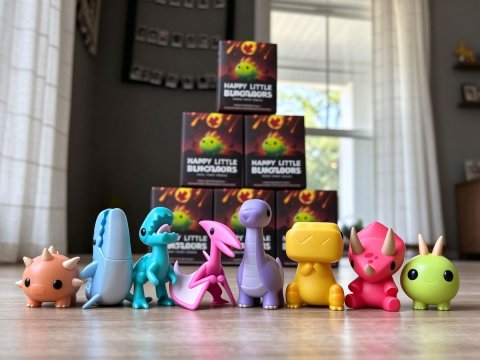
For all the heavy artillery, the corners of the catalog hold small-card games at a fraction of the flagship price — quick trick-takers and party-weight titles that round out an order. Keeping cheap, fast games beside the elephant serves the shipping math and the gift list alike: the buyer who came for the sixty-dollar simulation leaves with a fifteen-dollar stocking stuffer, and a single heavy purchase becomes a habit of checking what else is small and new. The corners fund the repeat visit.